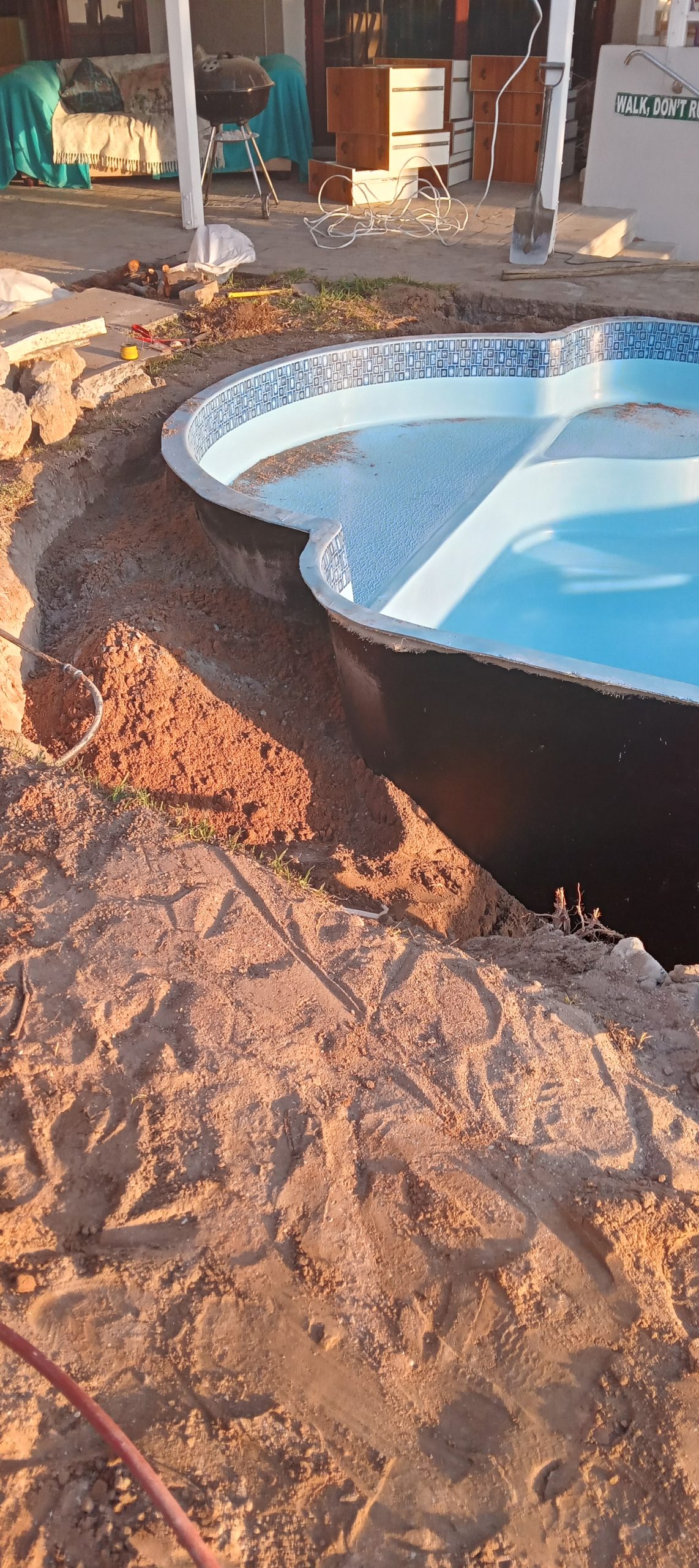
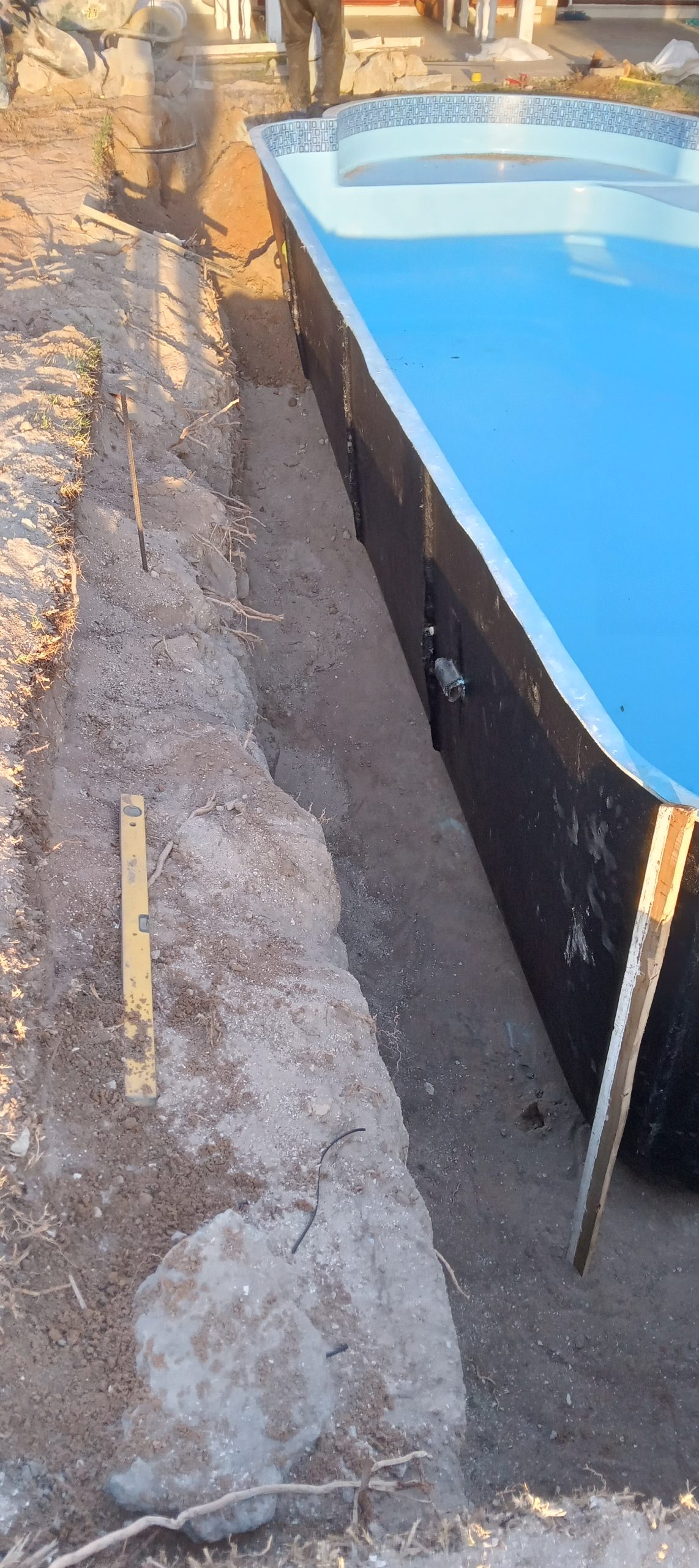
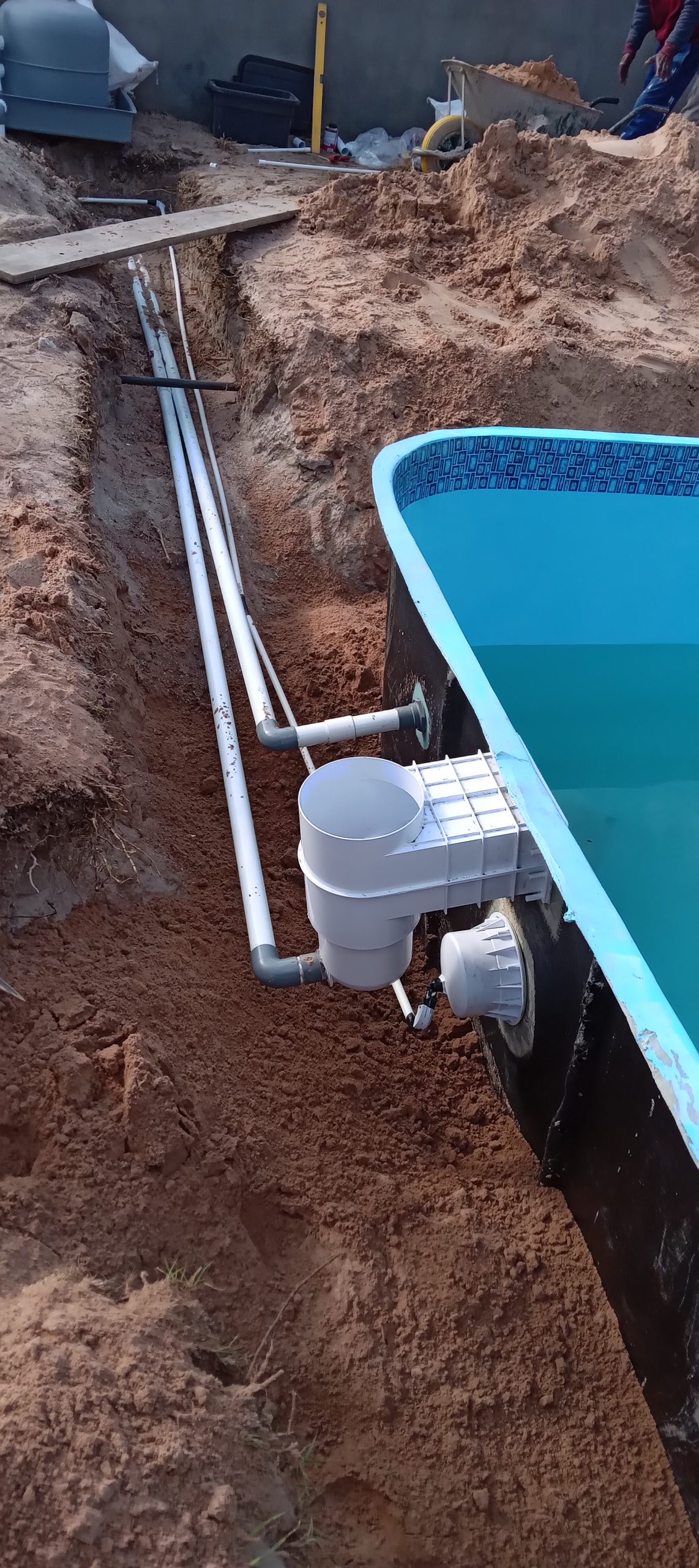
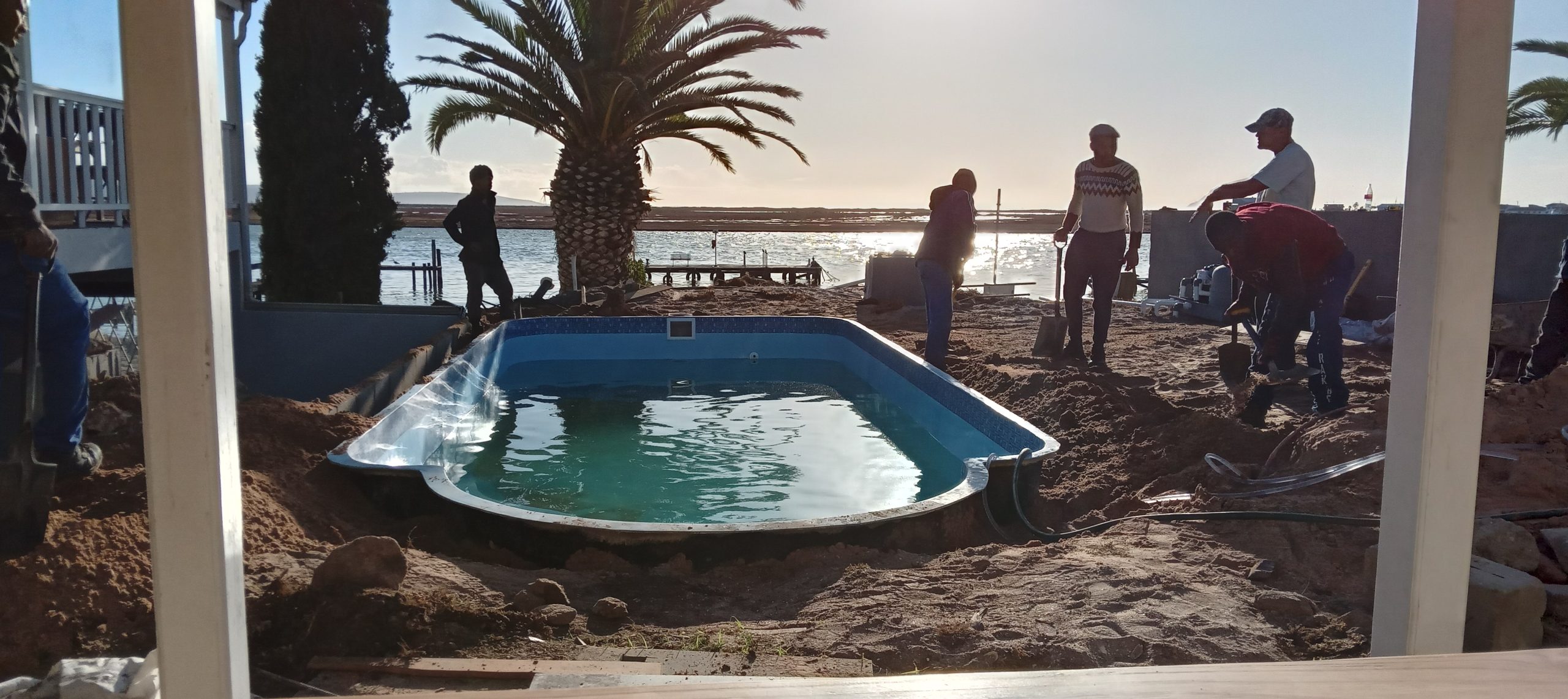
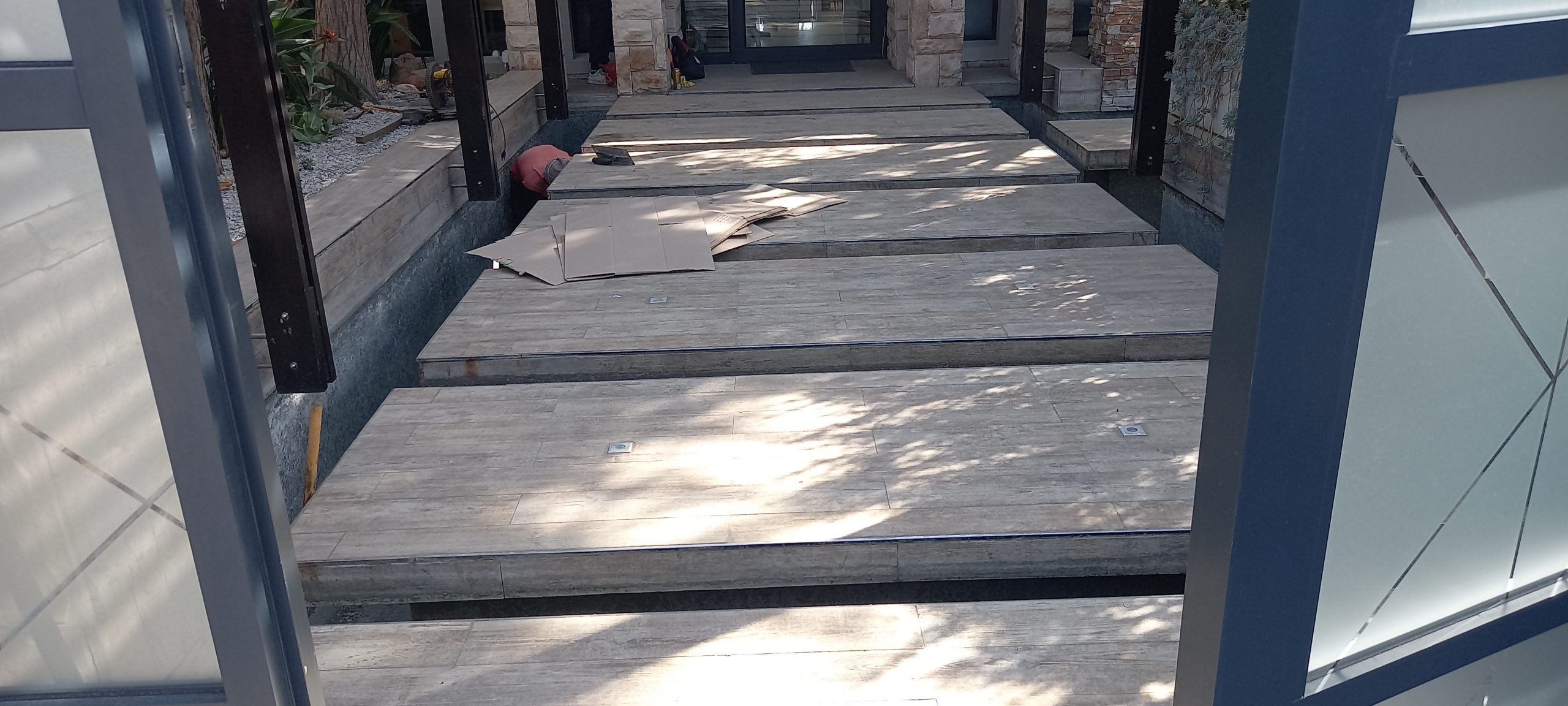
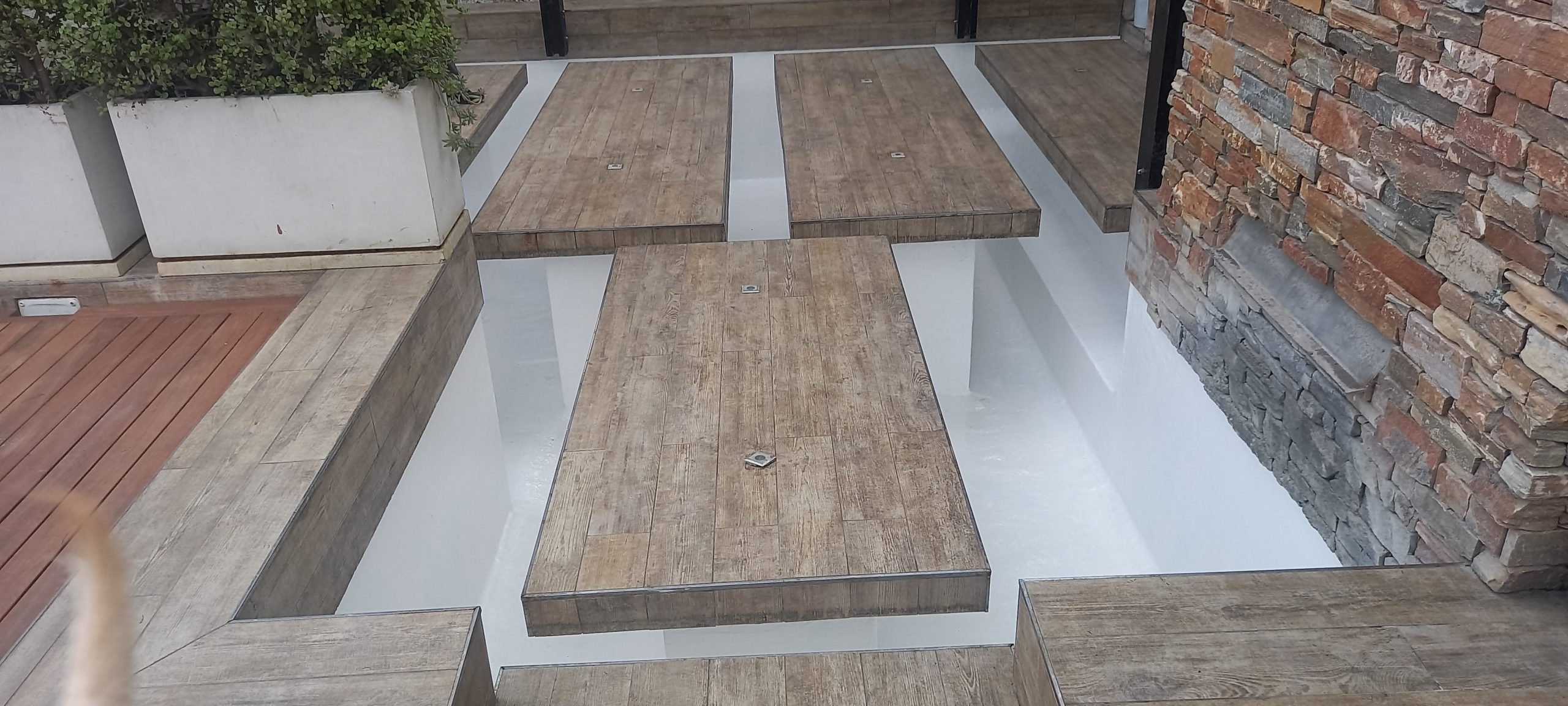
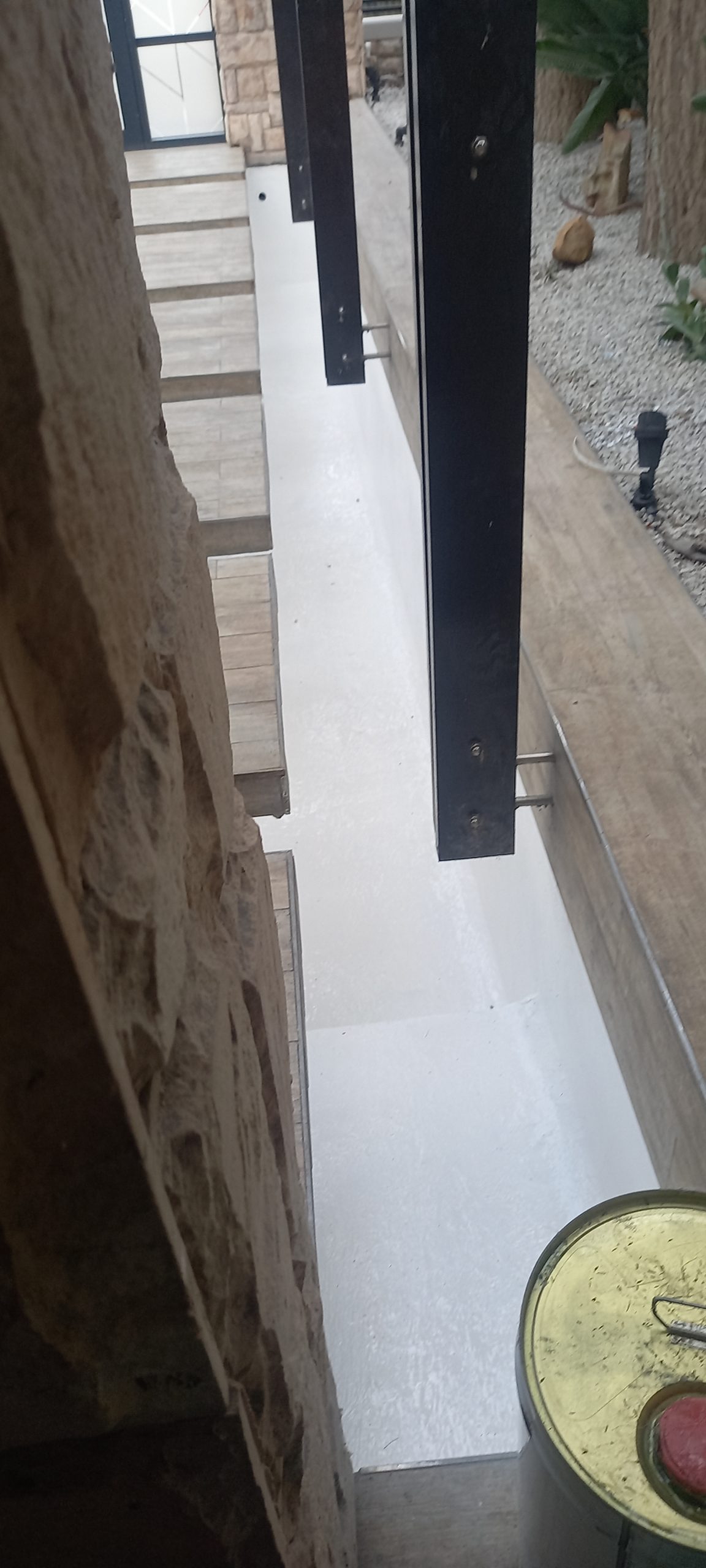
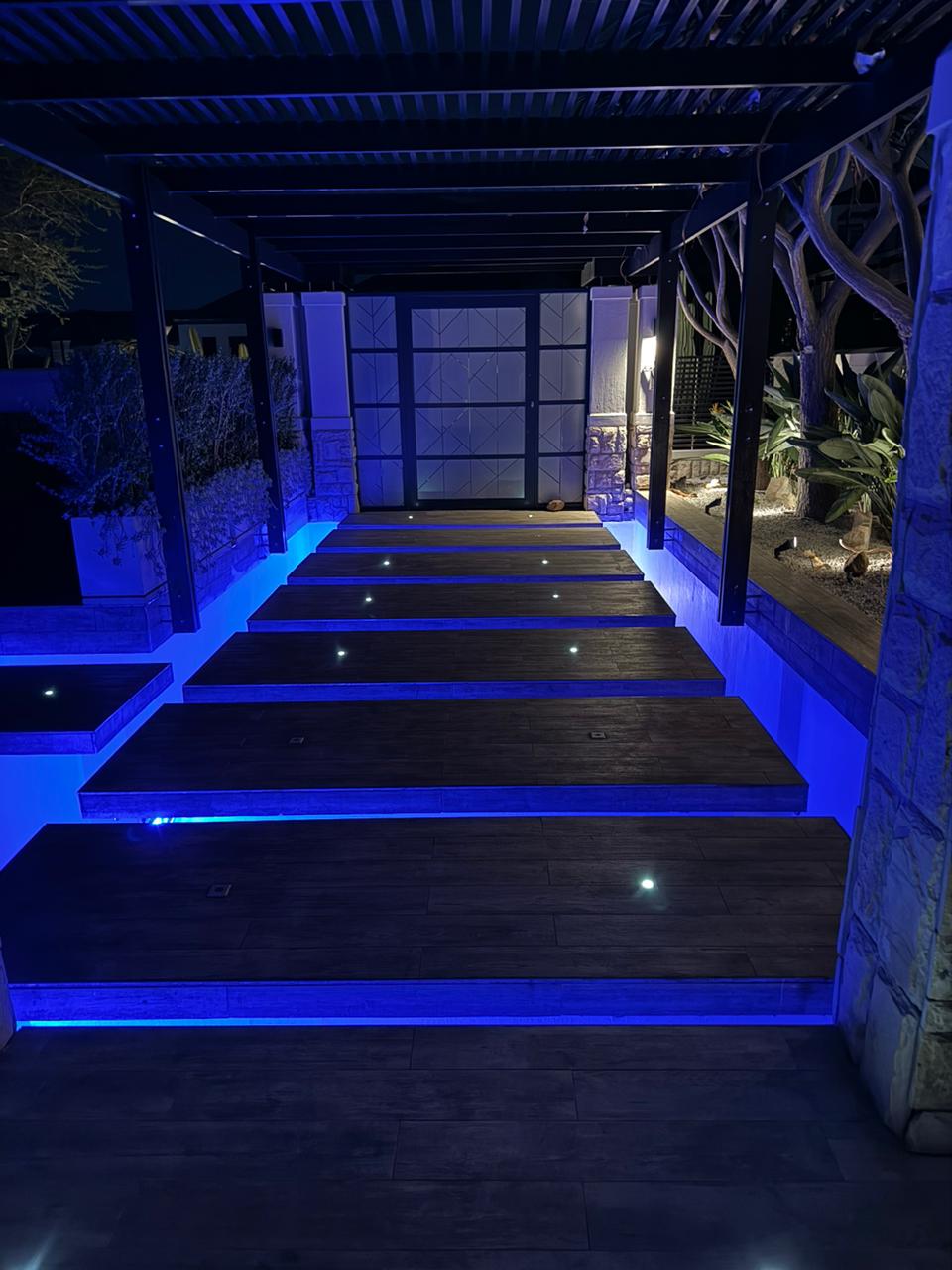
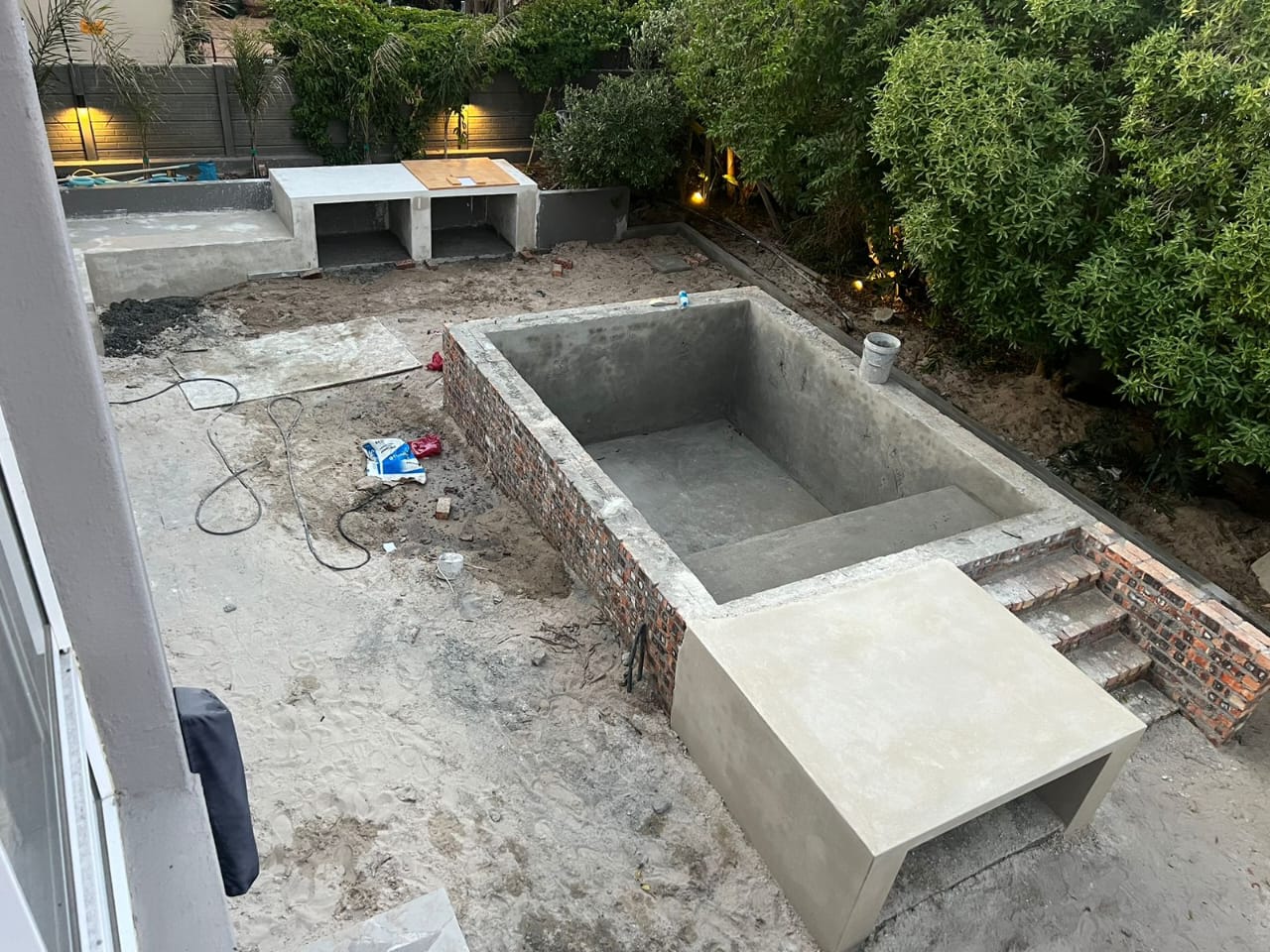
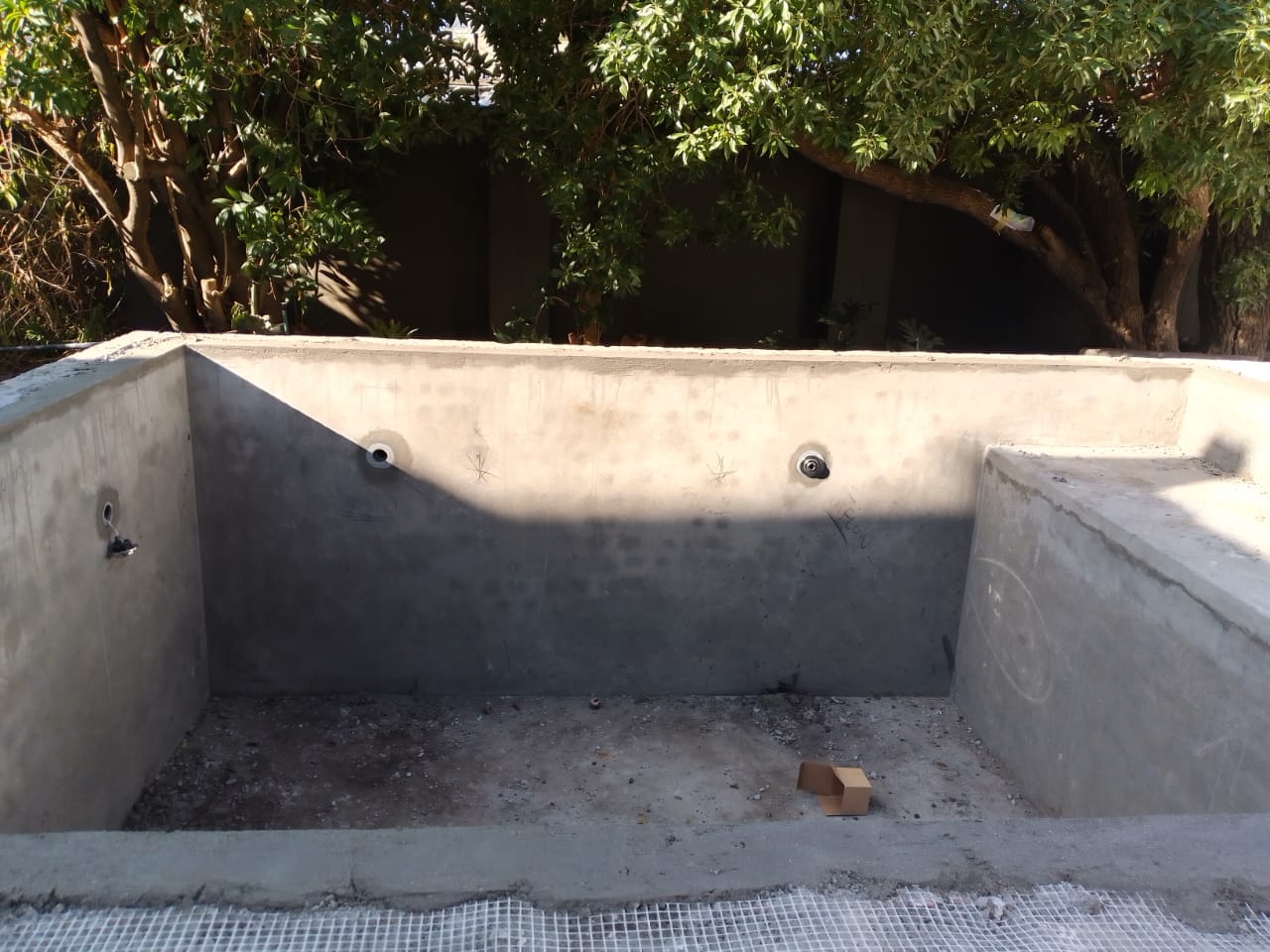
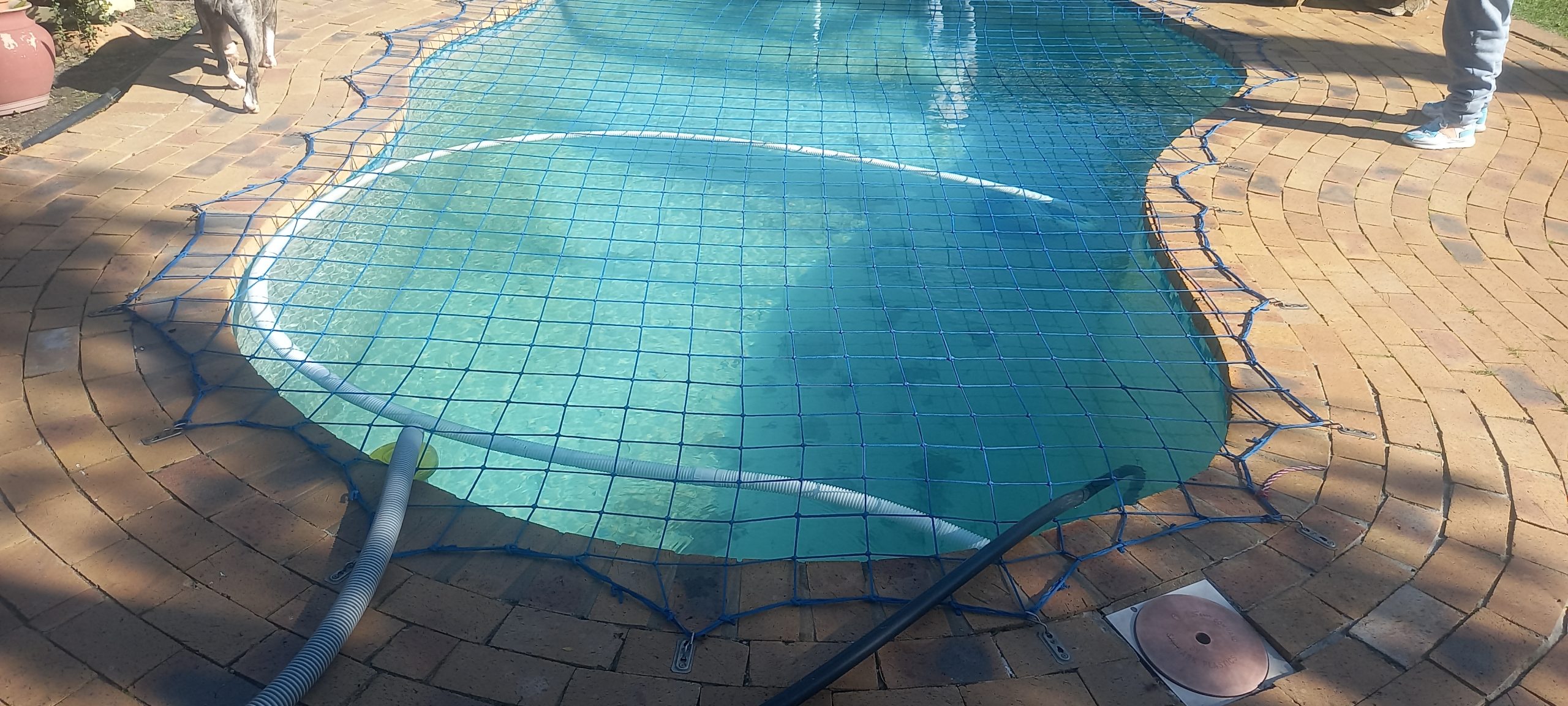
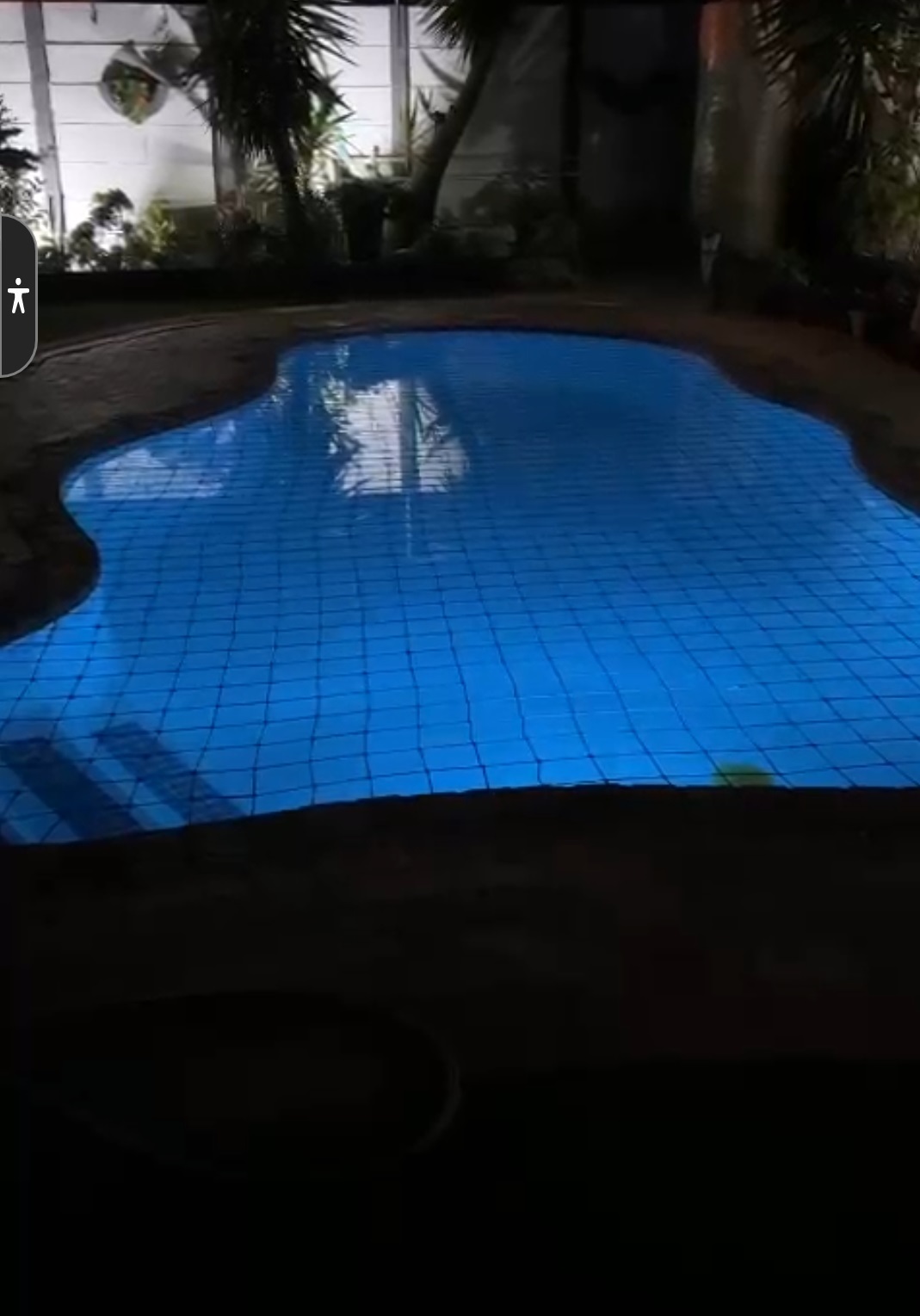
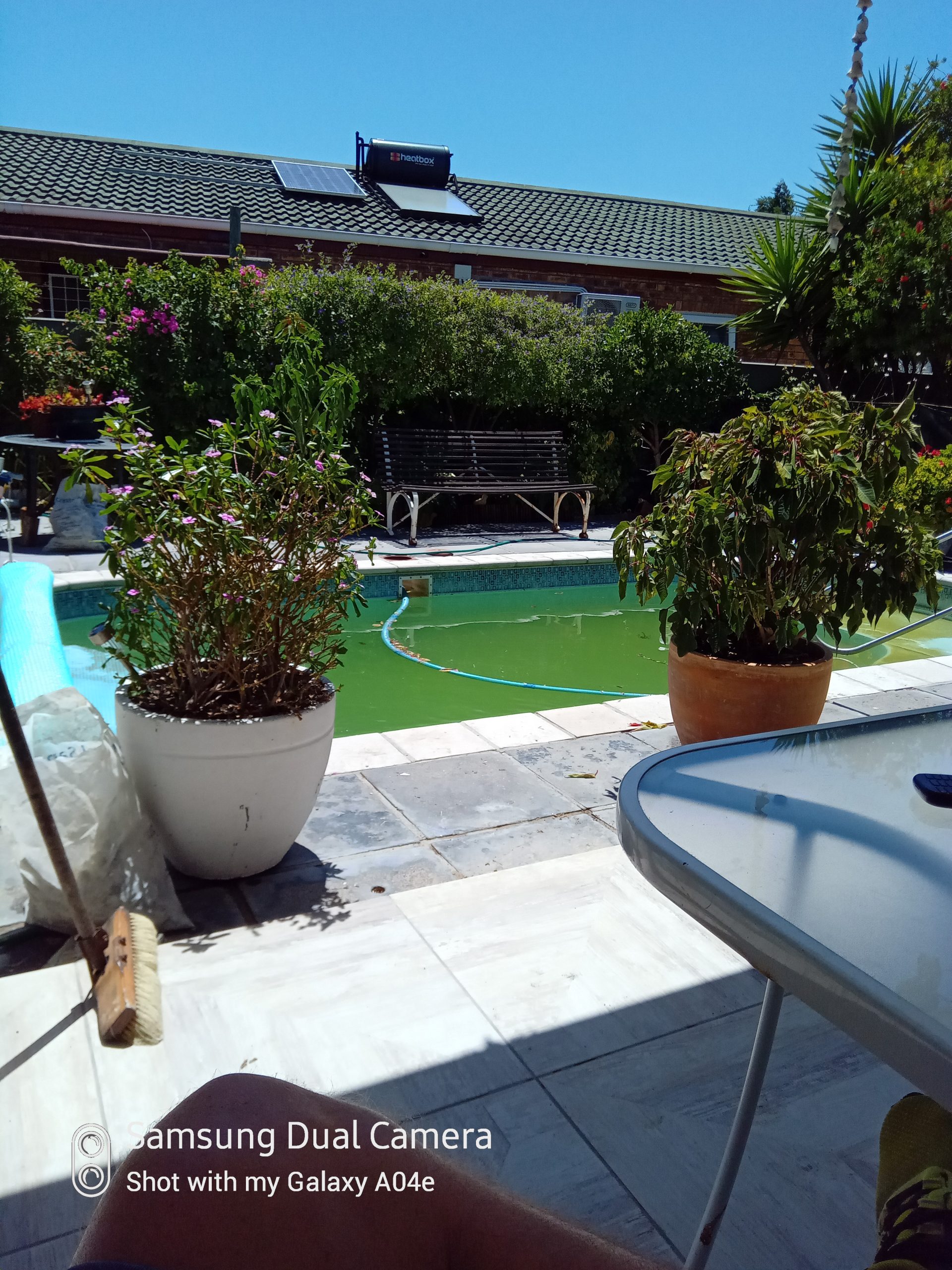
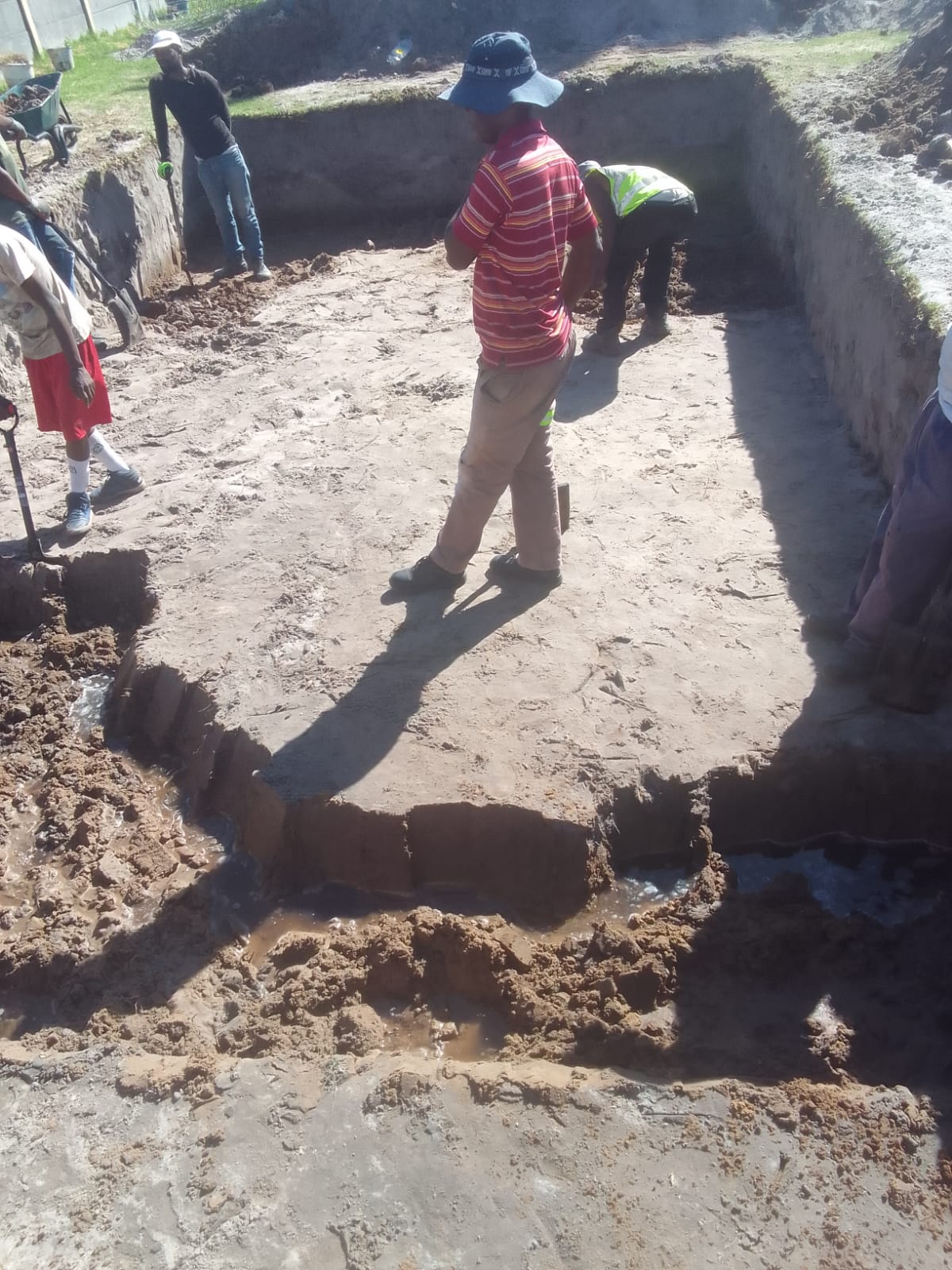
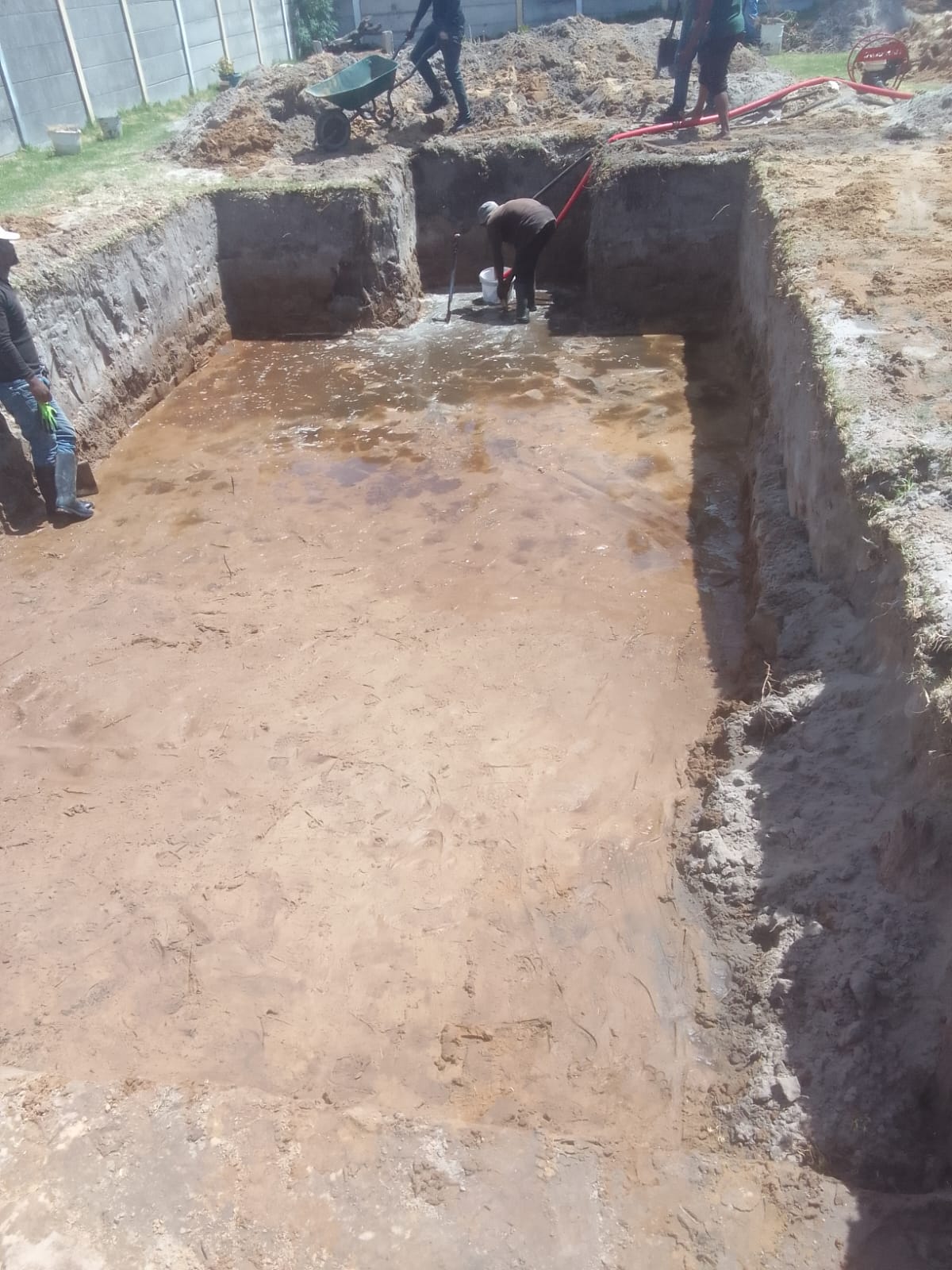
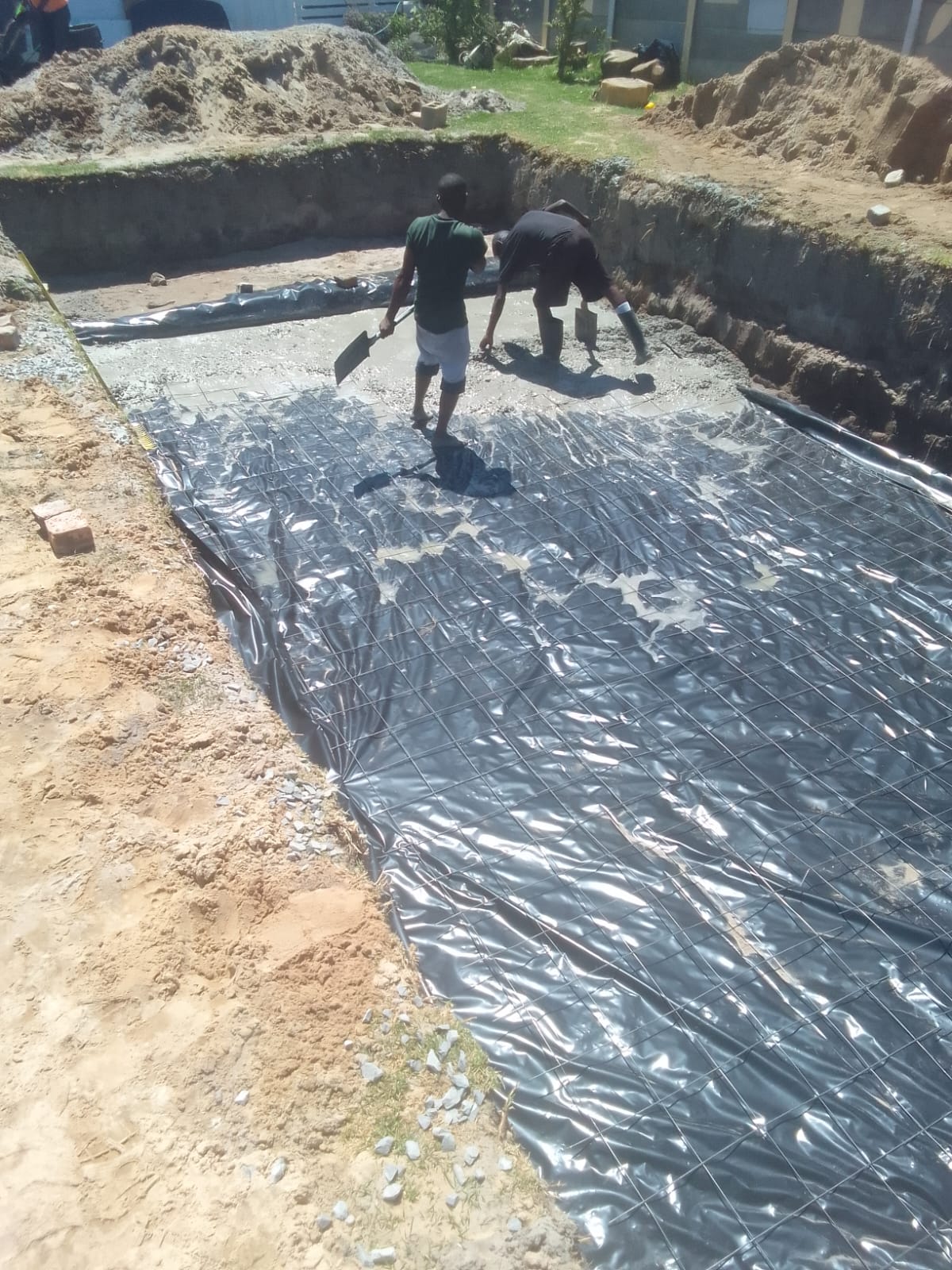
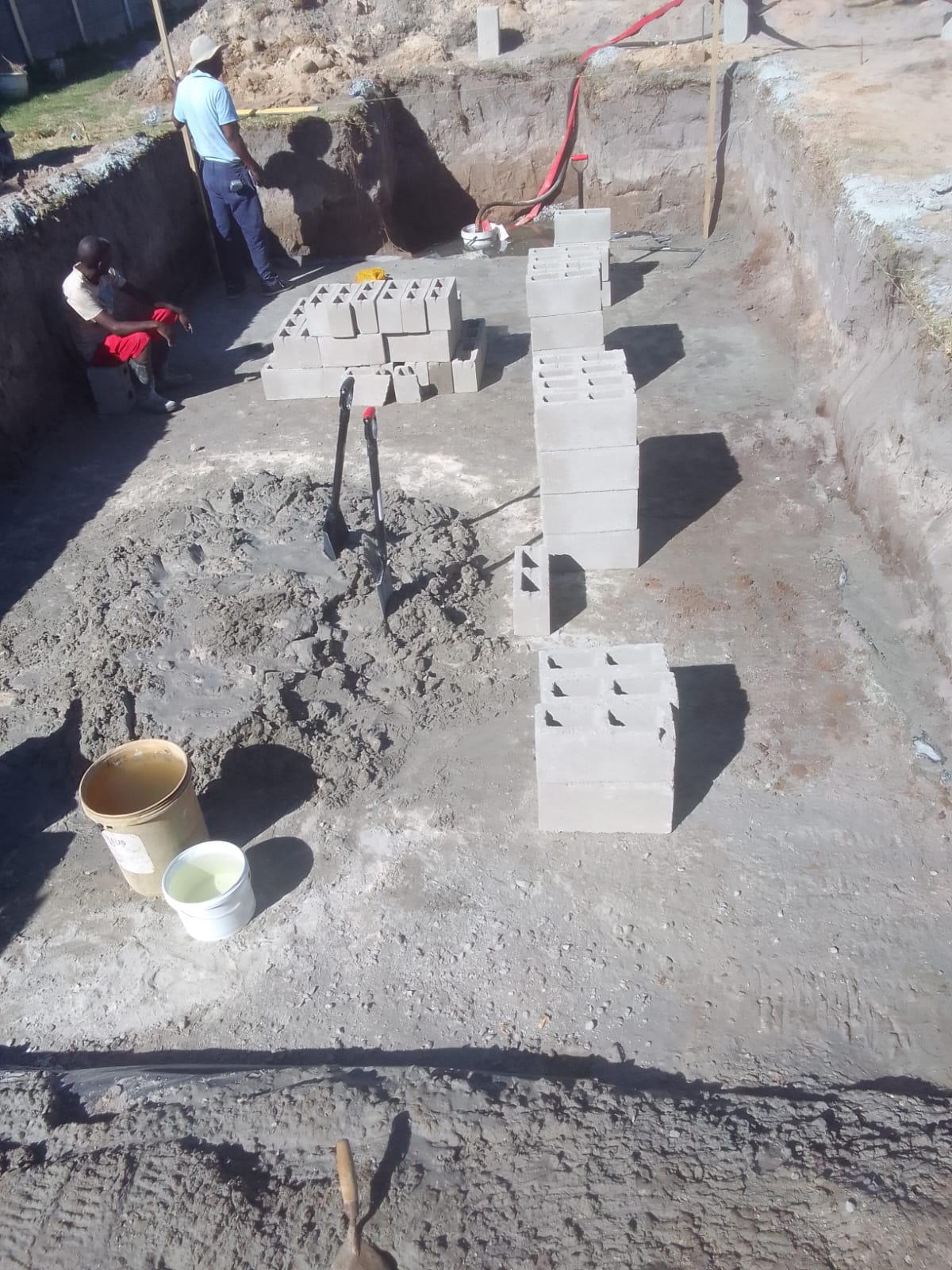
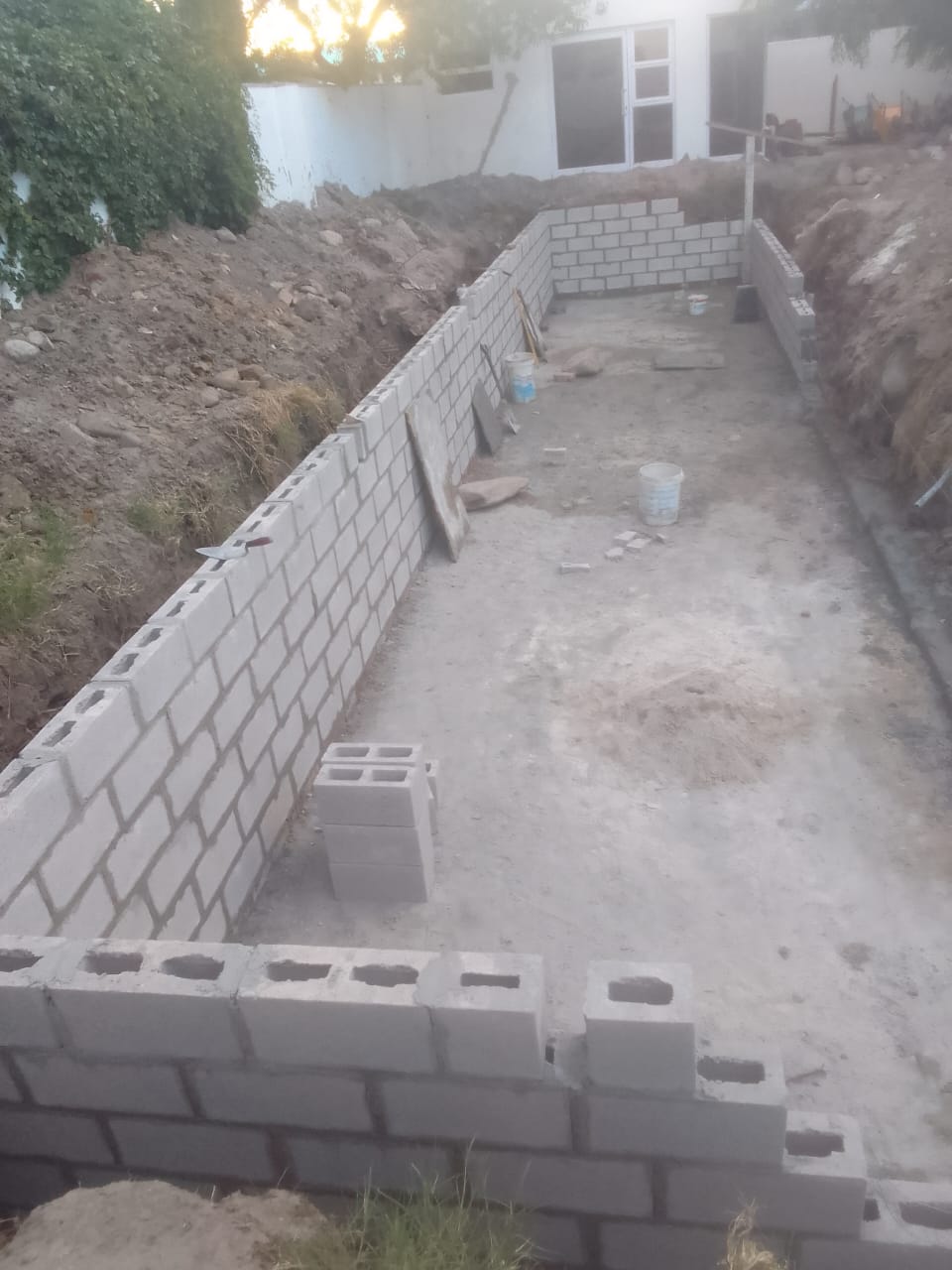
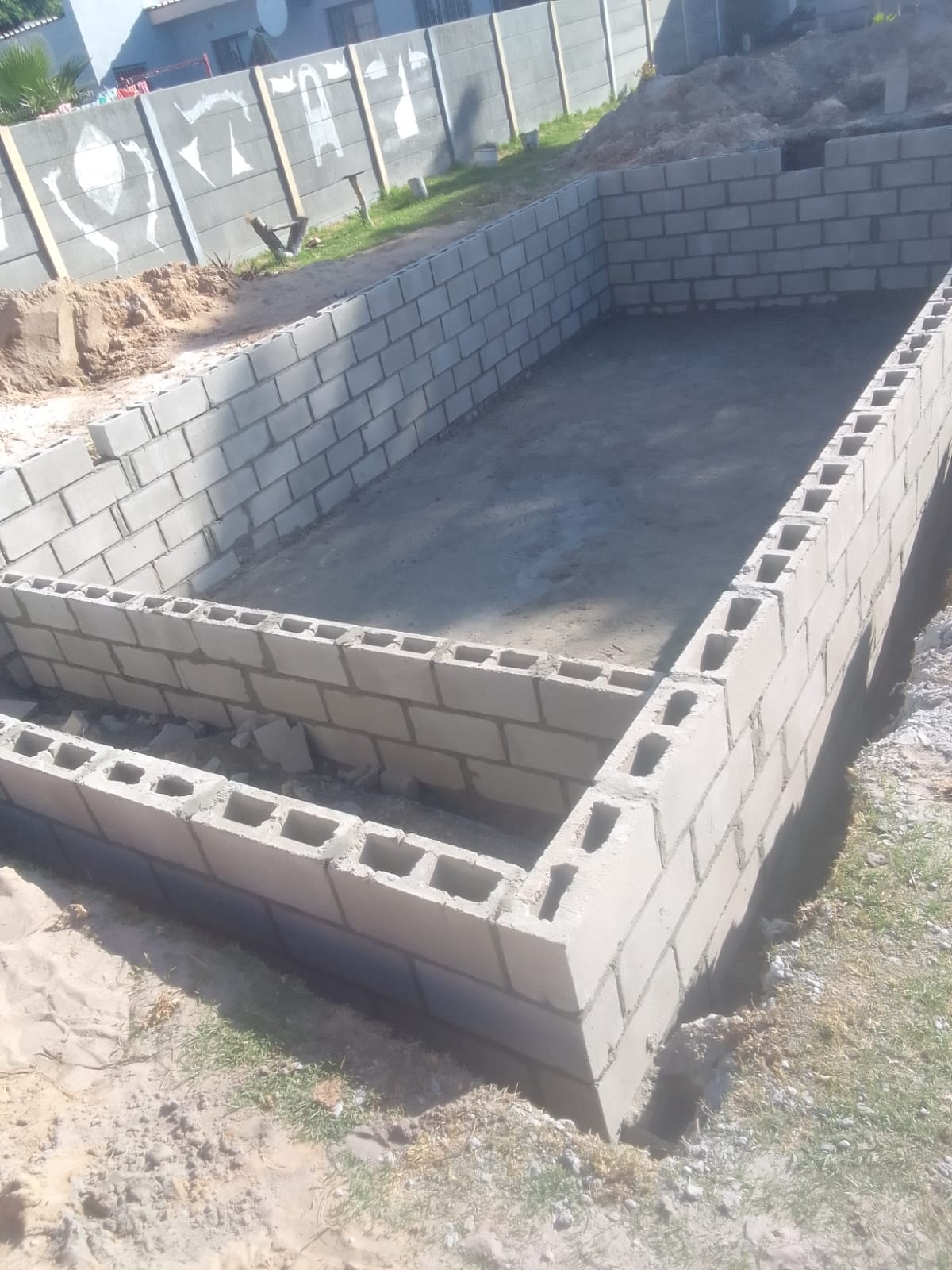
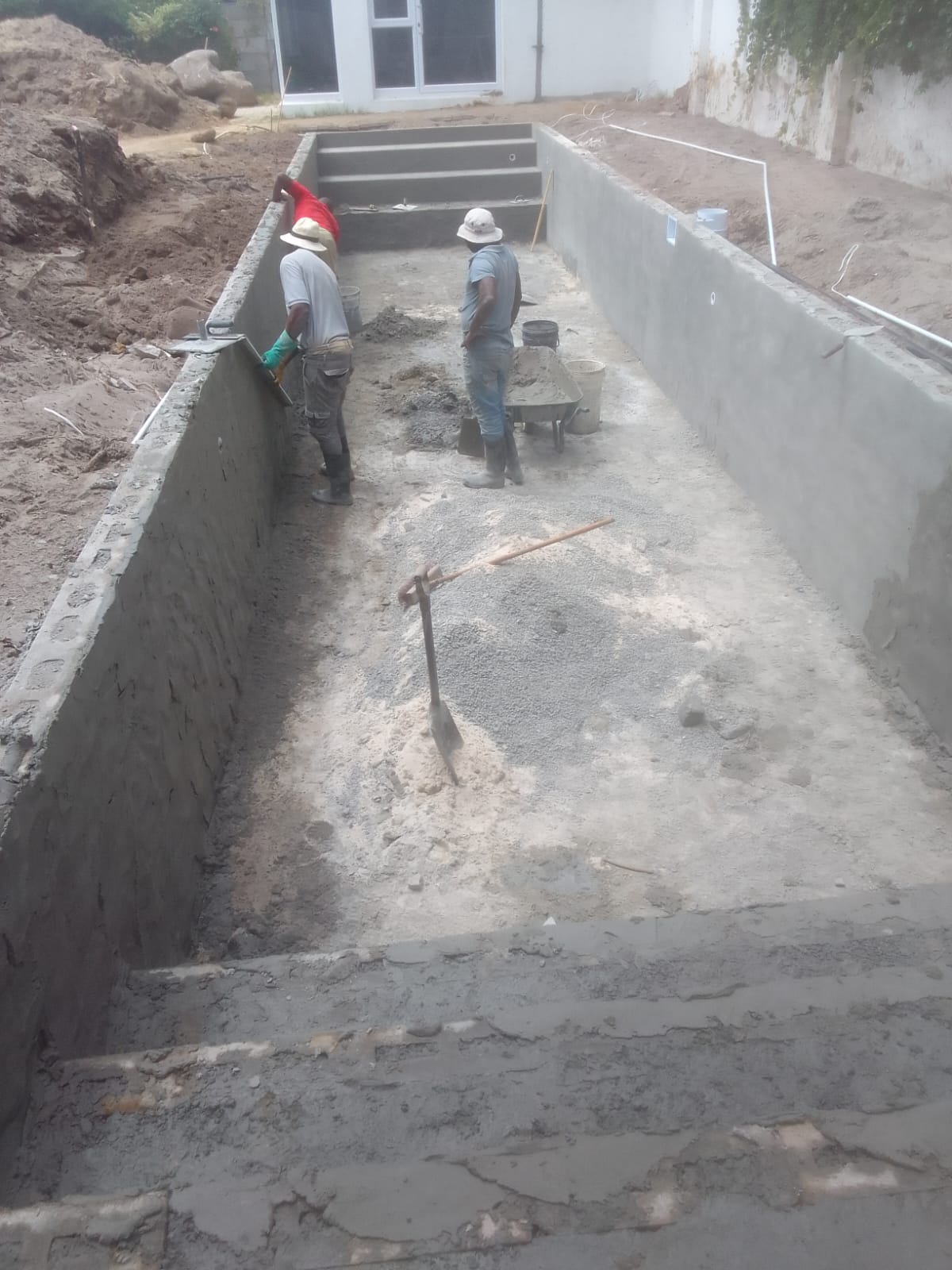
JP Pool Projects team specializes in pool maintenance, repairs, and renovations. We understand that every pool is unique, which is why our services are tailored to your specific requirements. Our commitment to delivering reliable, high-quality service ensures your pool is always in its best condition, exceeding your expectations. Dive into a world of hassle-free pool enjoyment.
Fiberglass Pool Instaltions
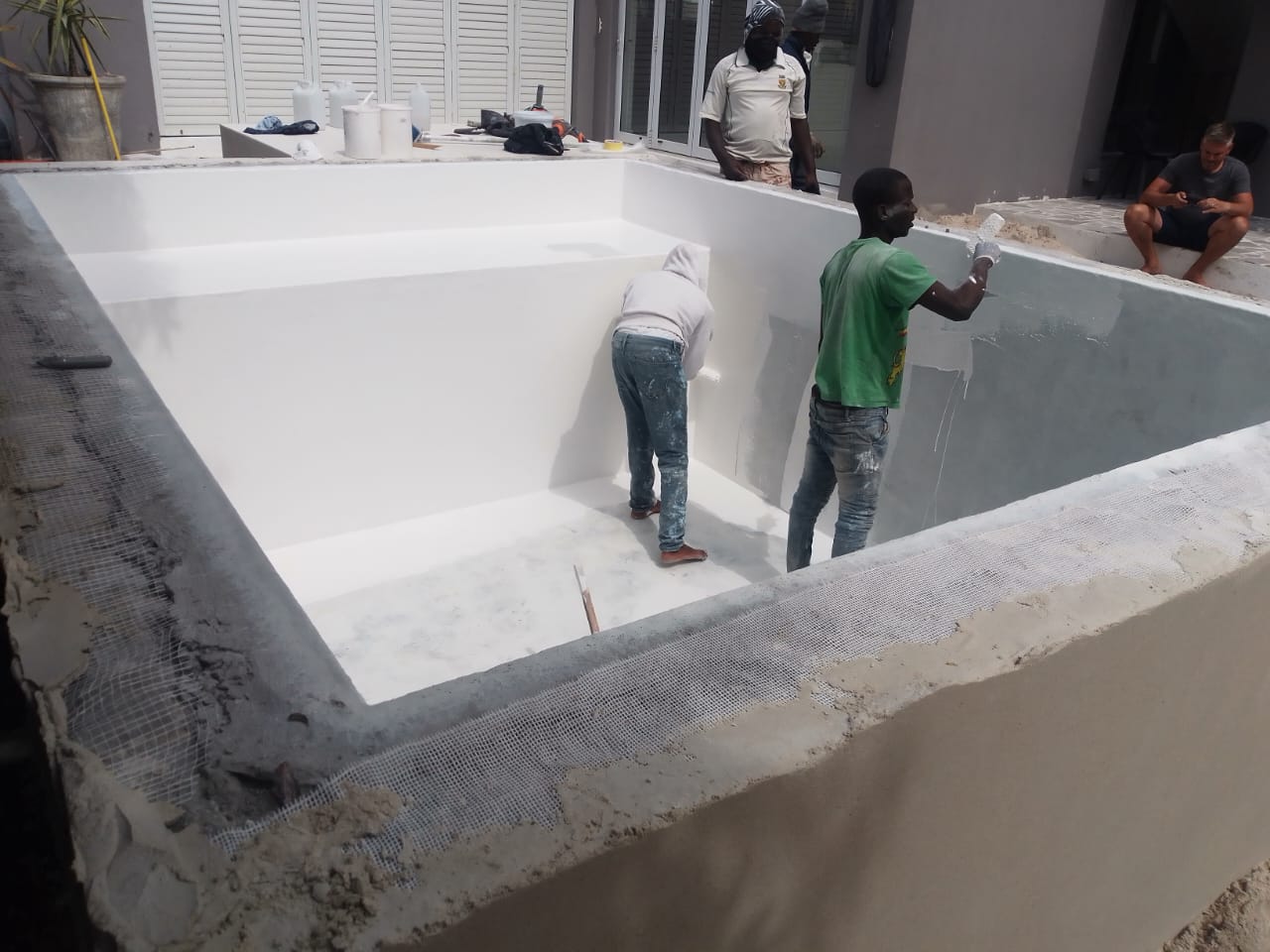
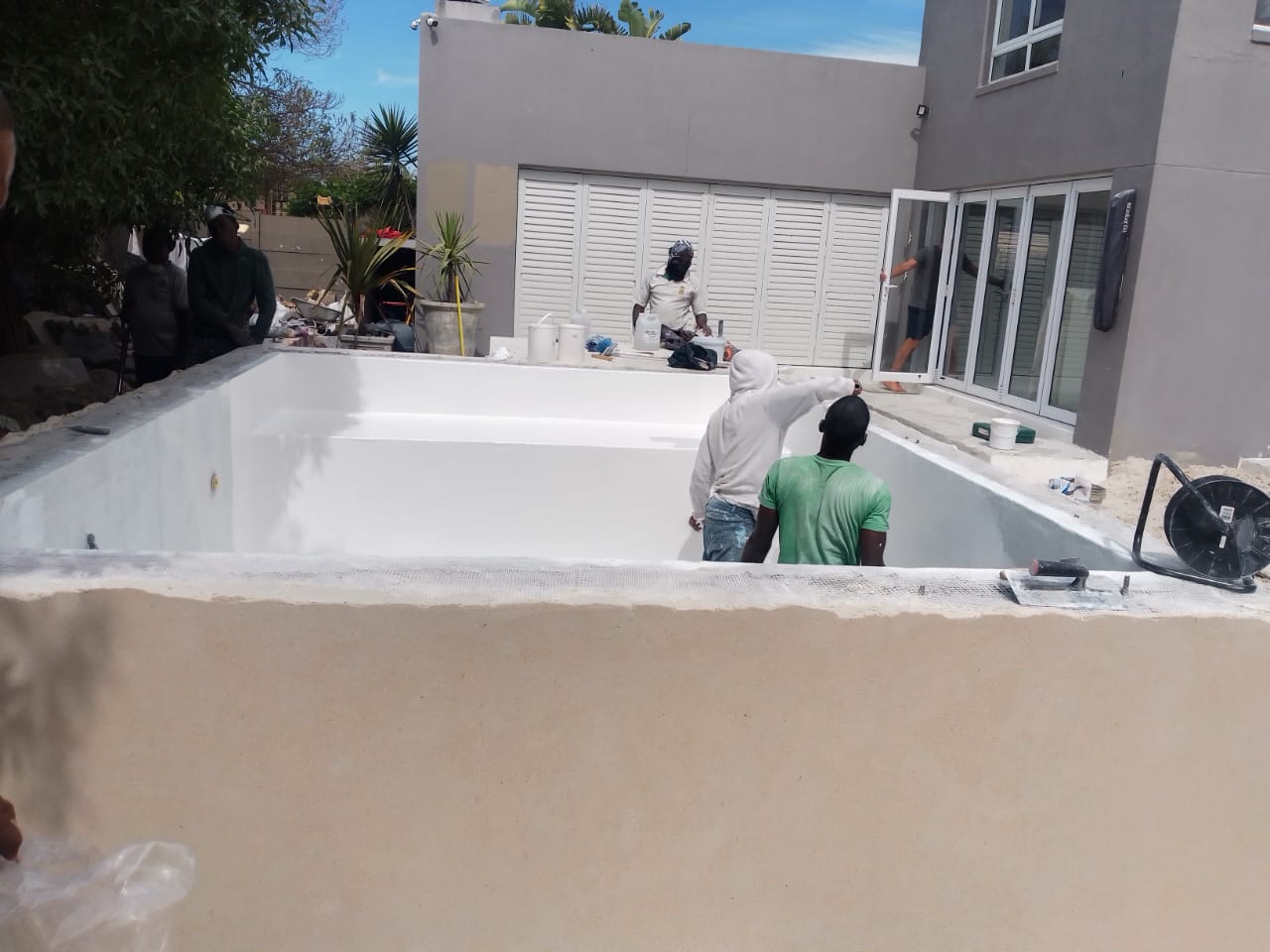
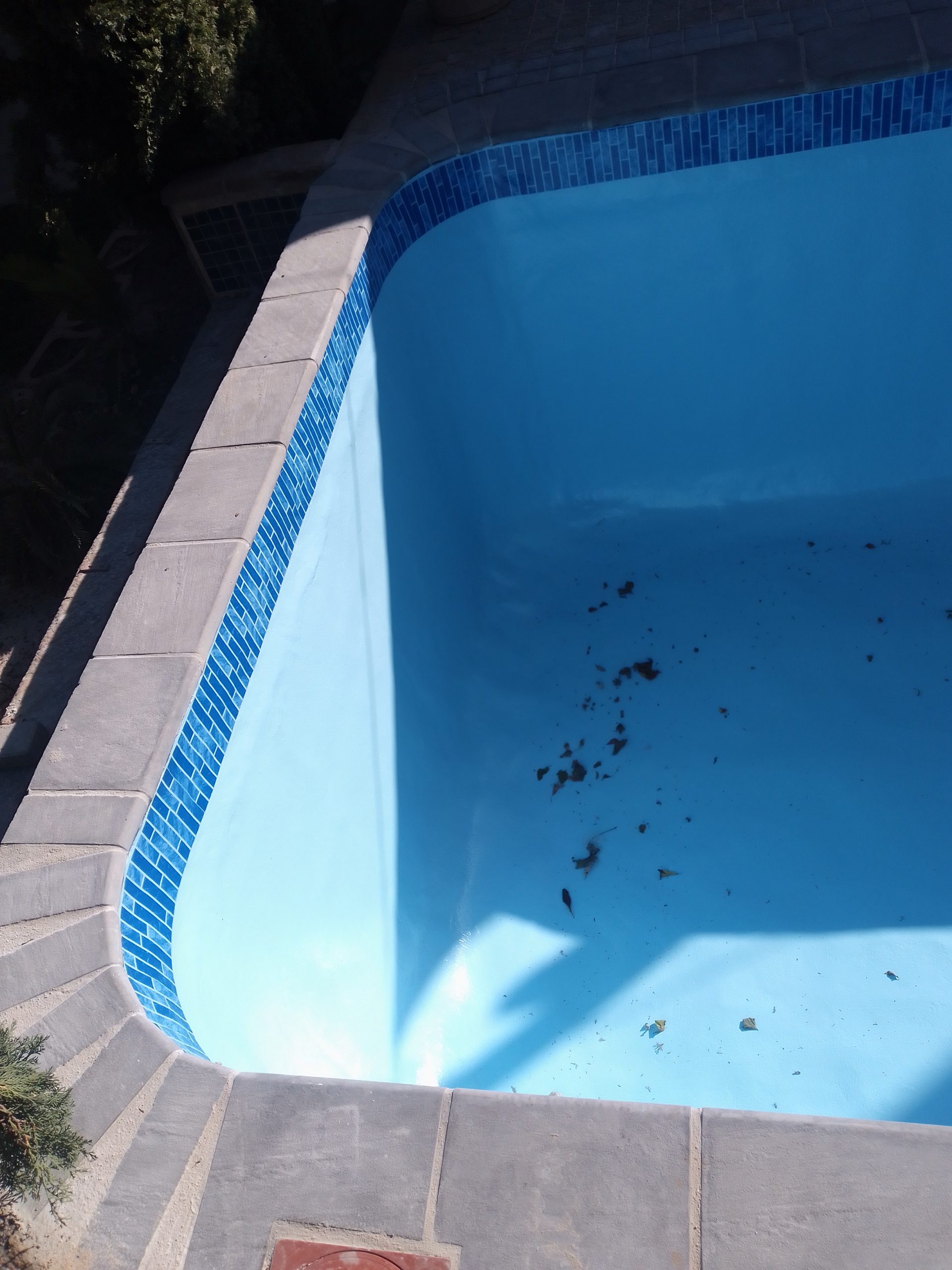
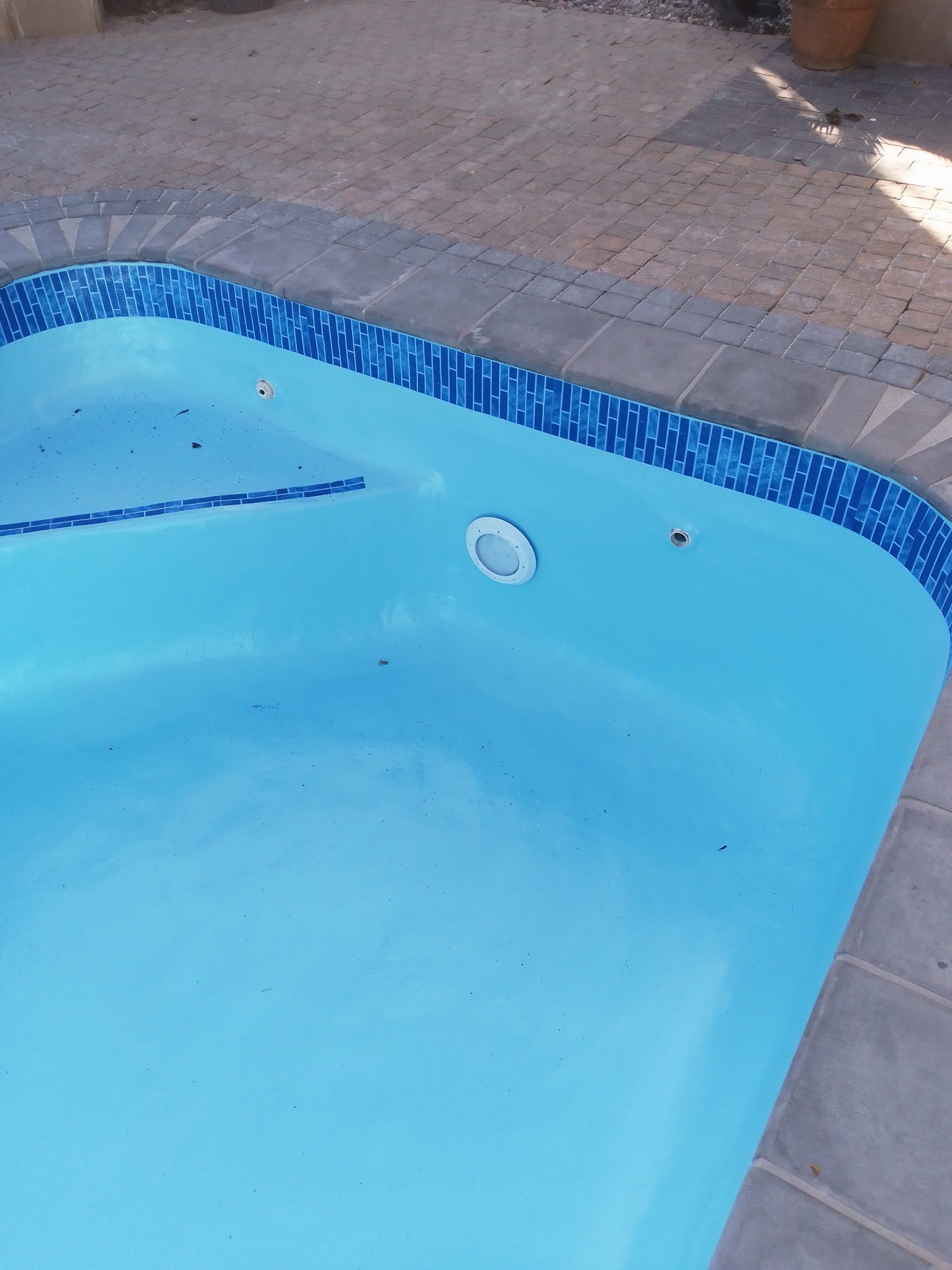
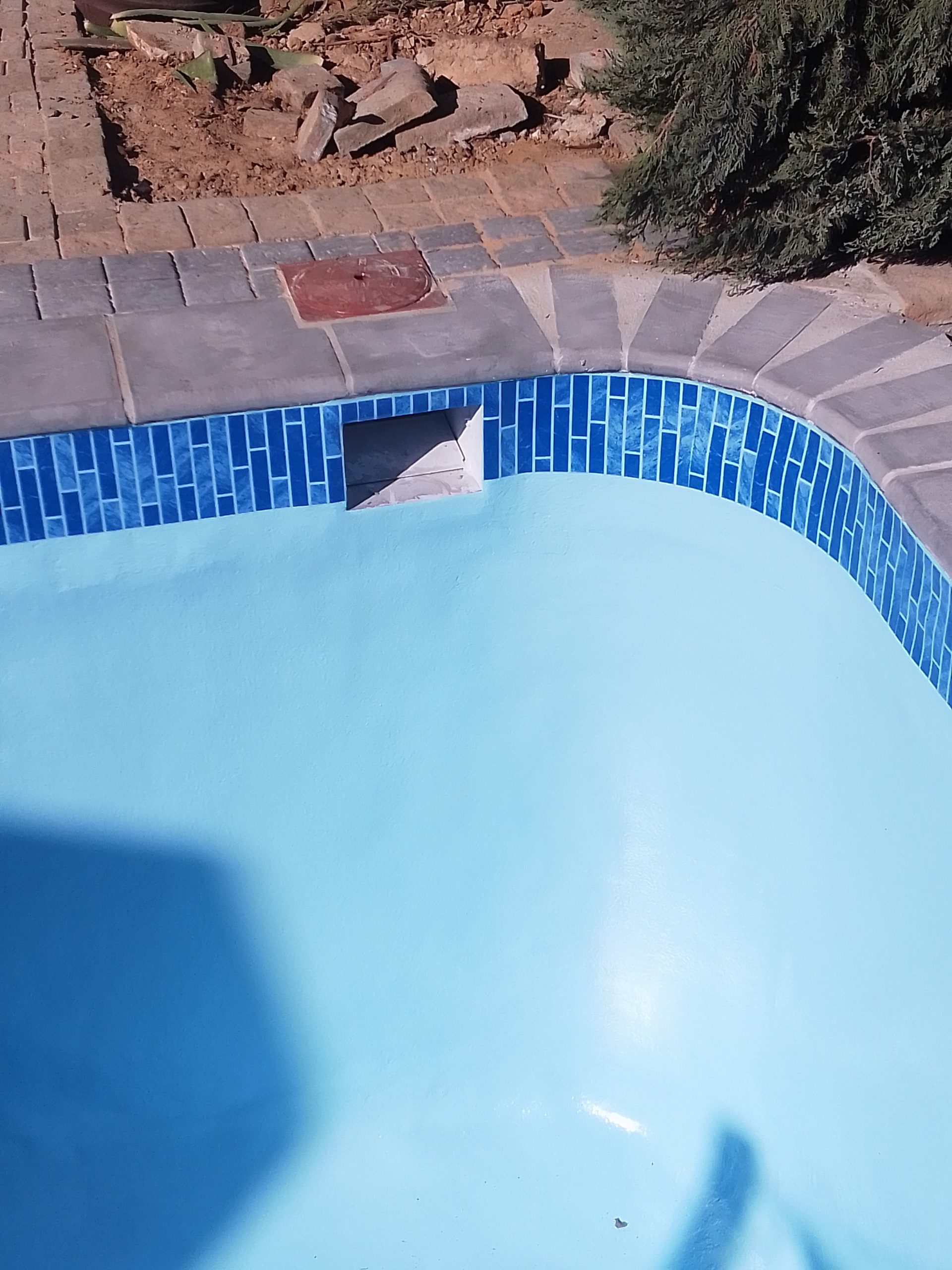
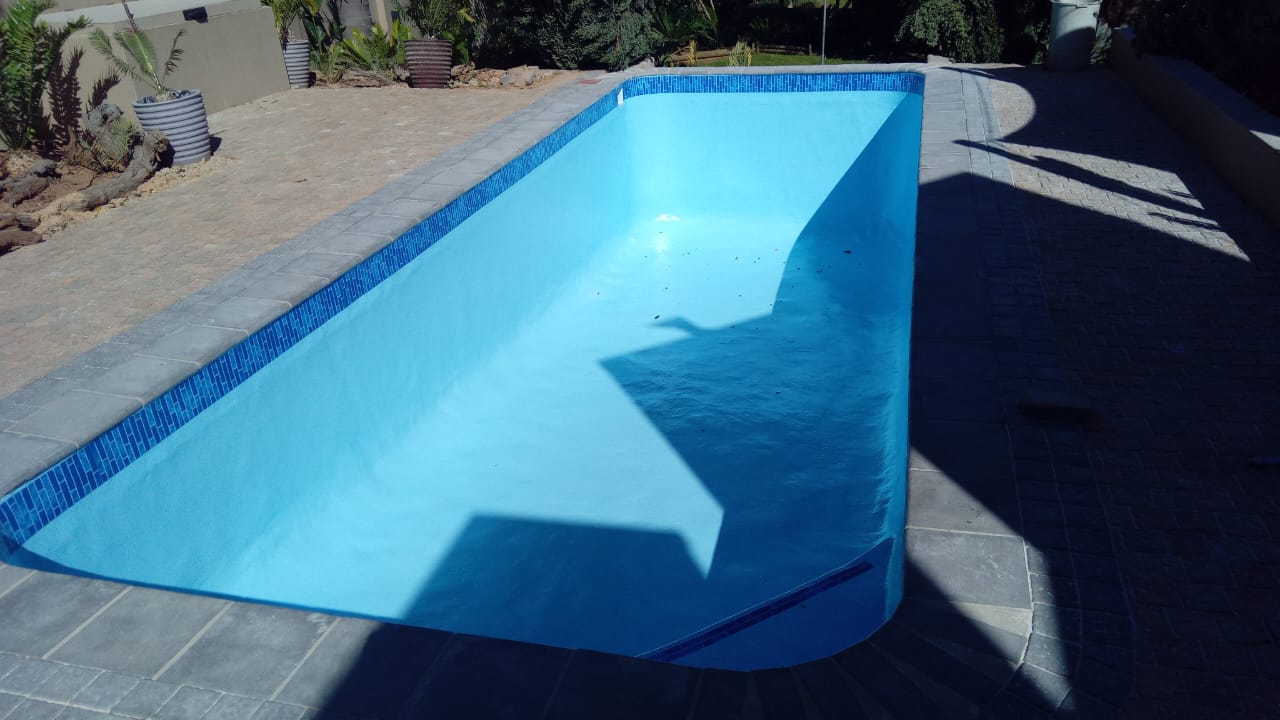
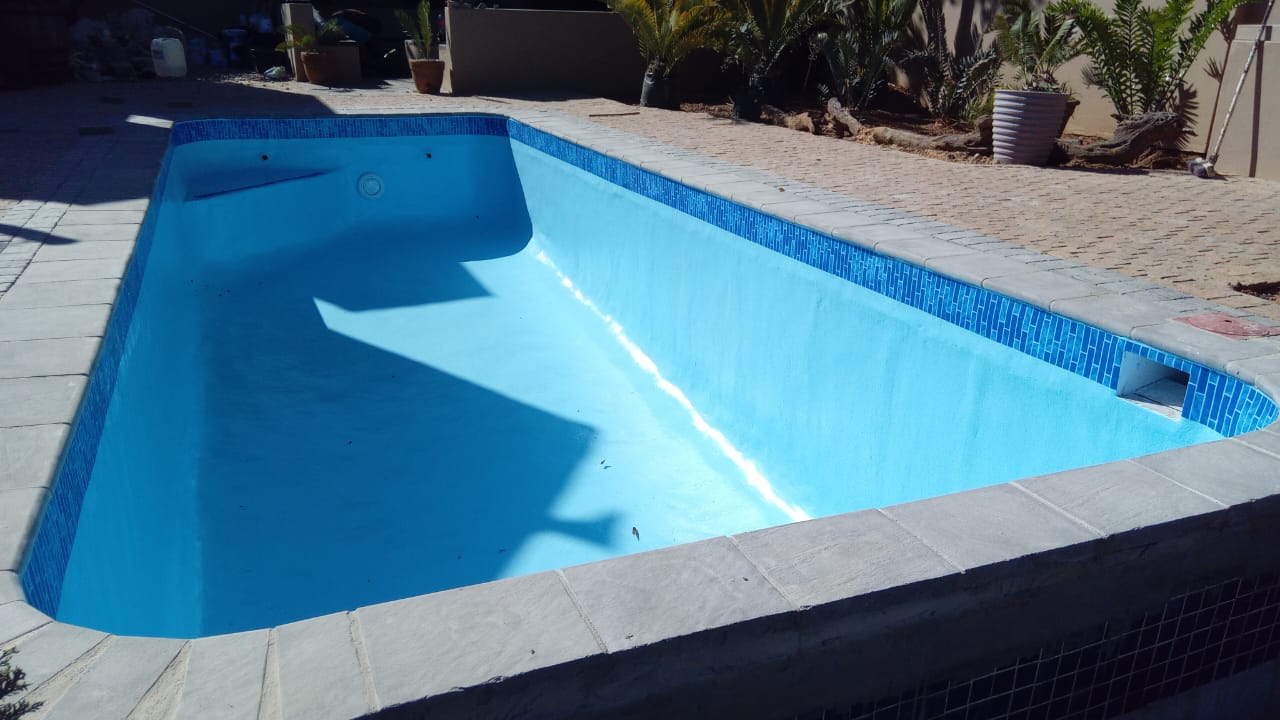
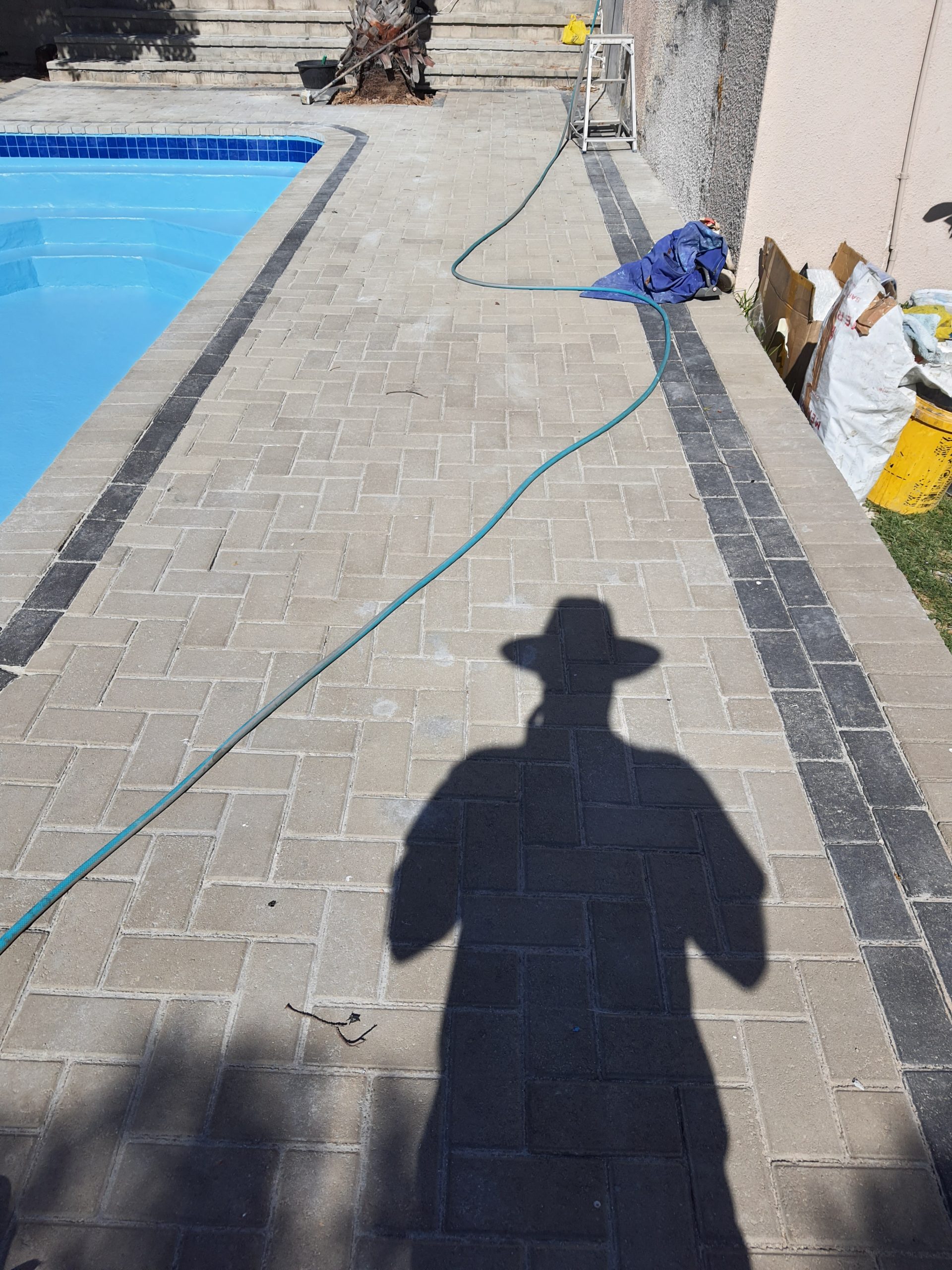
Pool Fiberlining
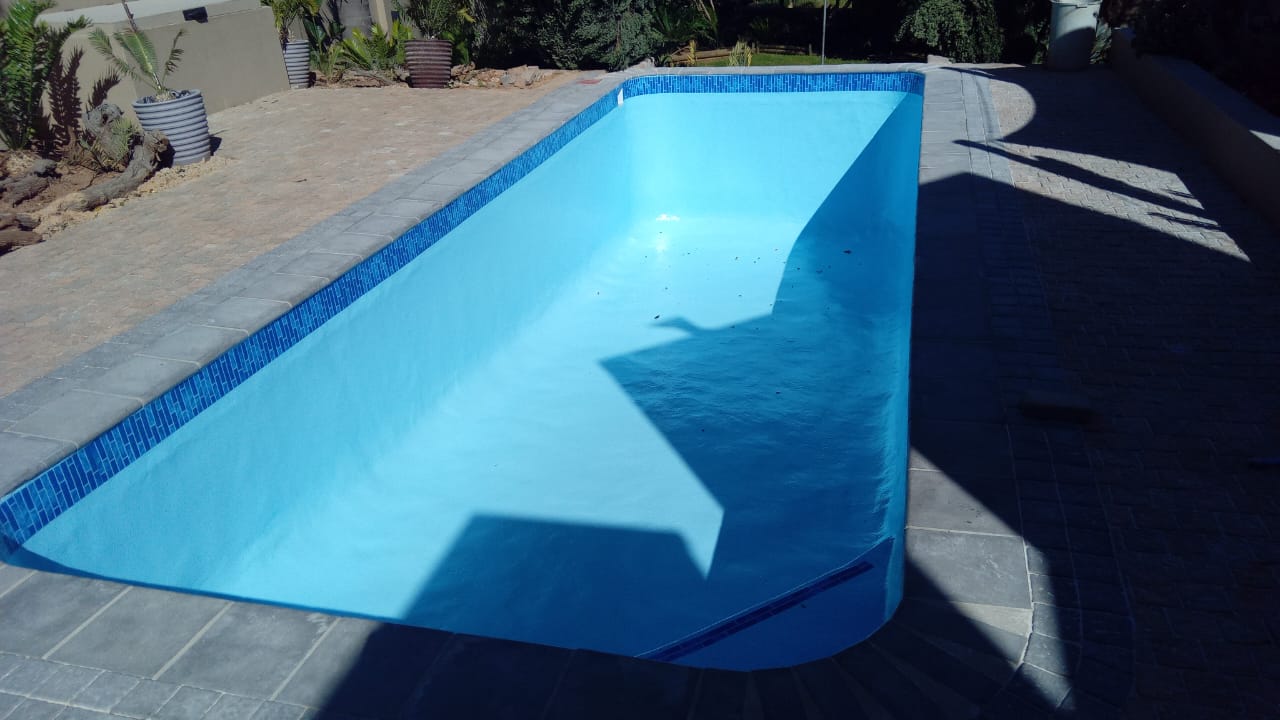
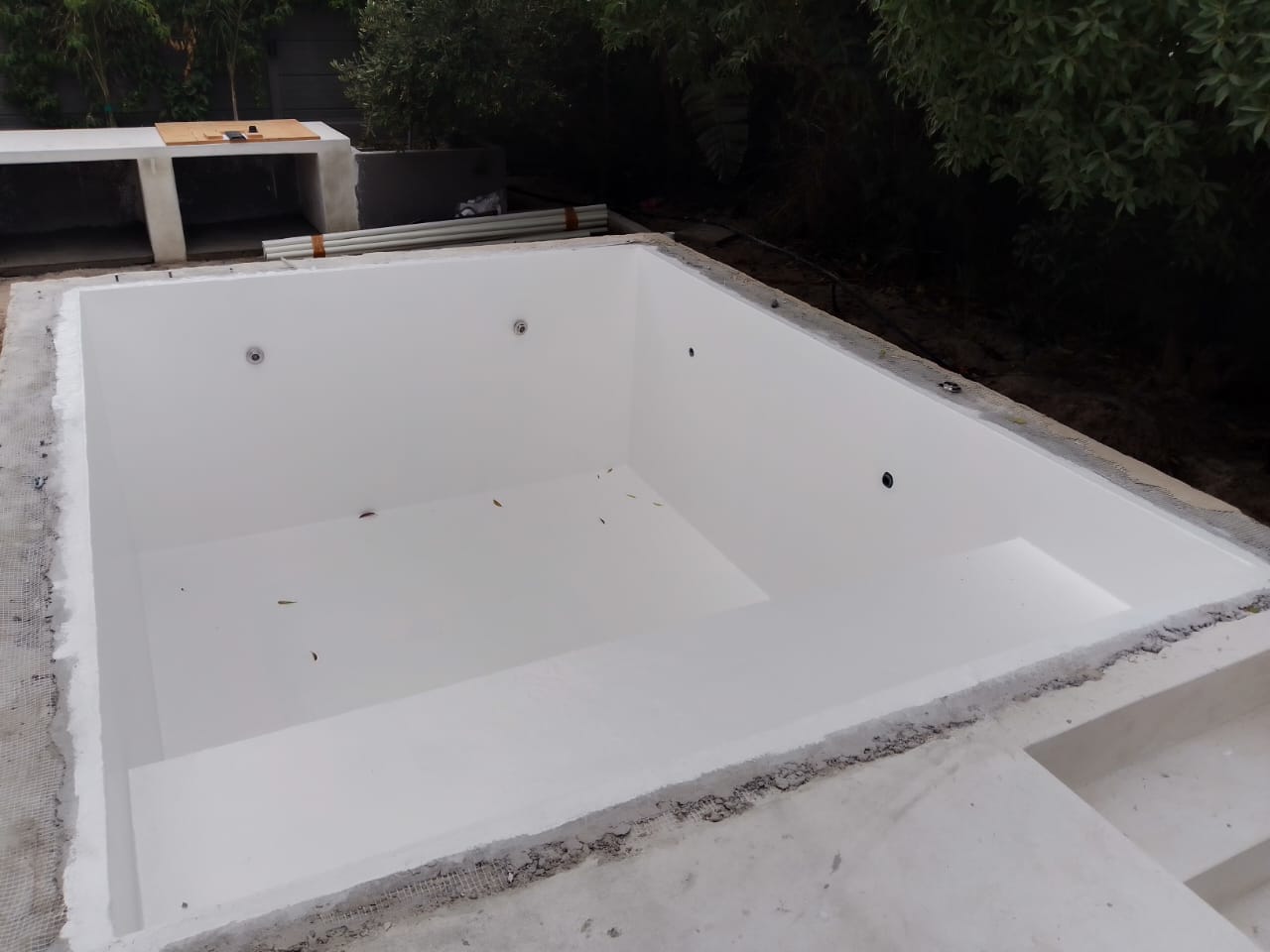
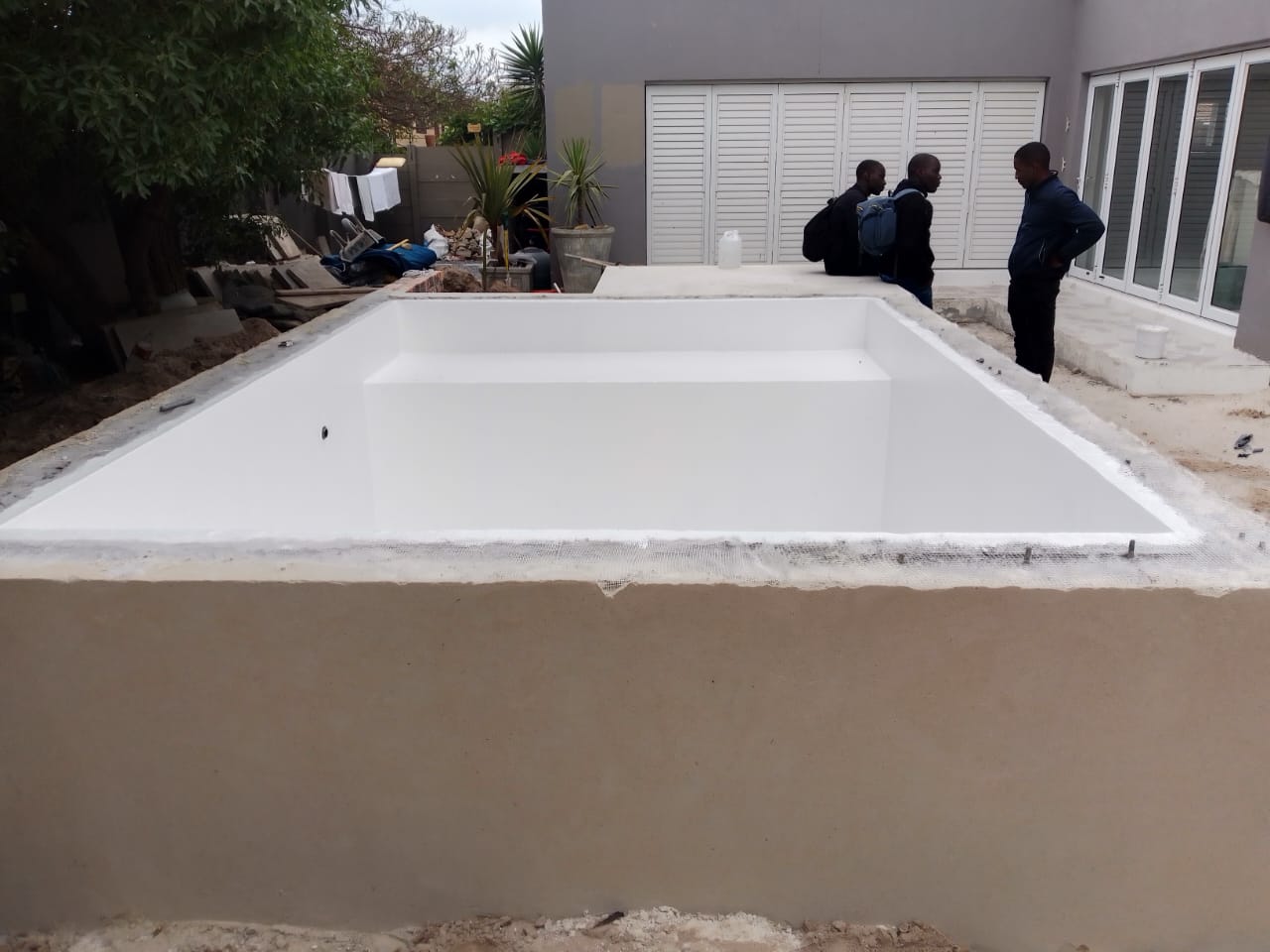
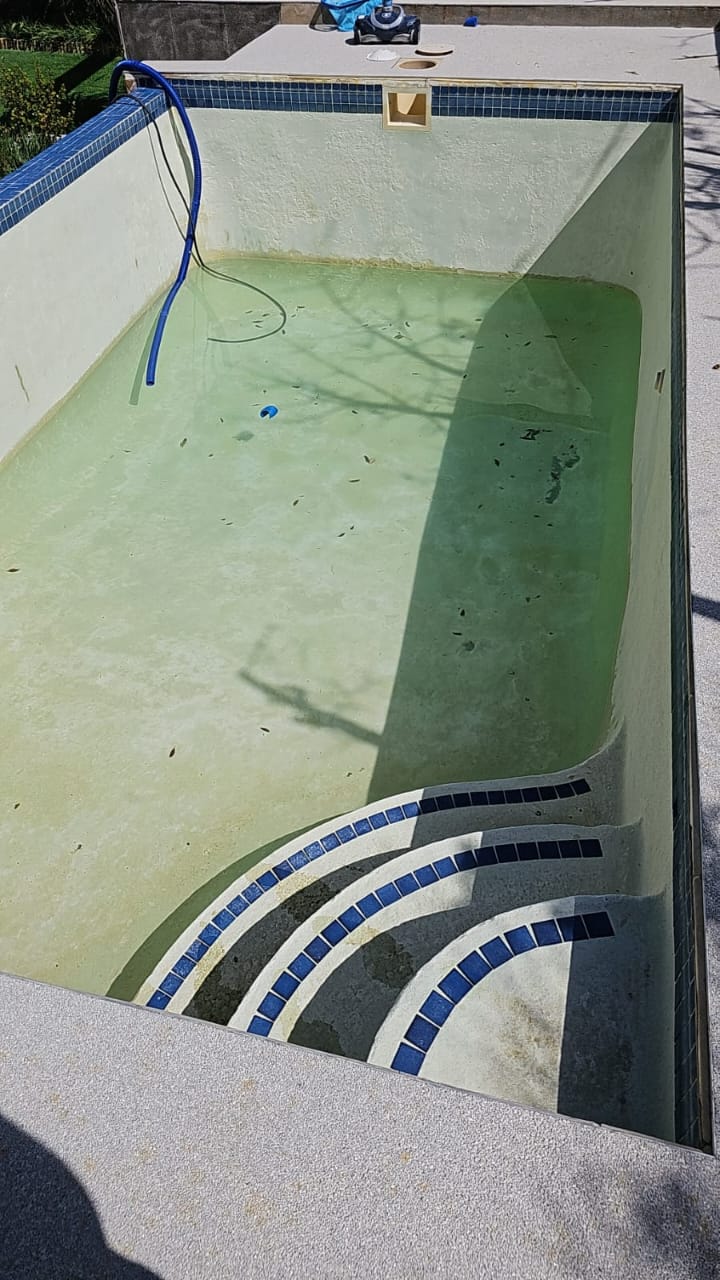
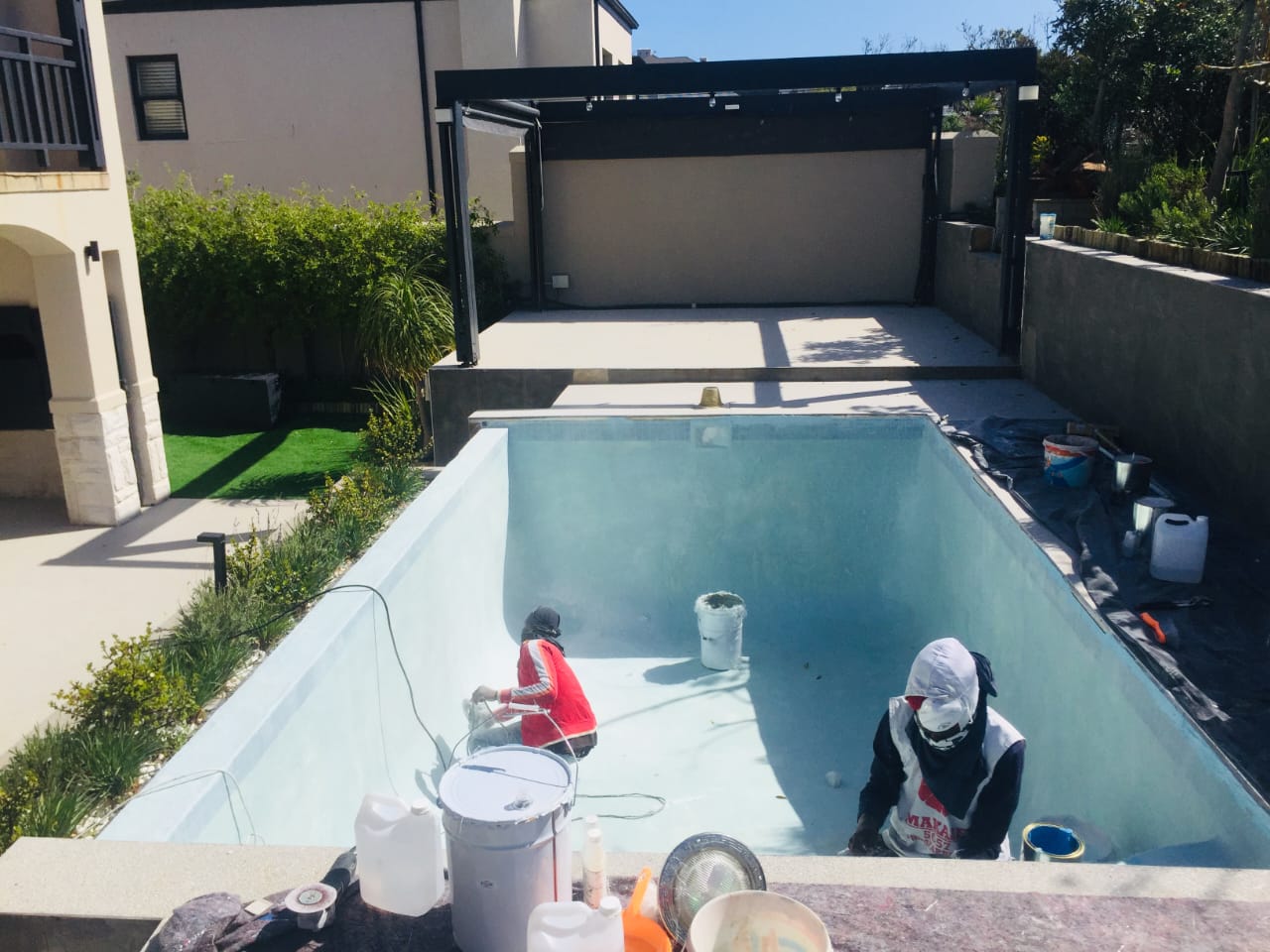
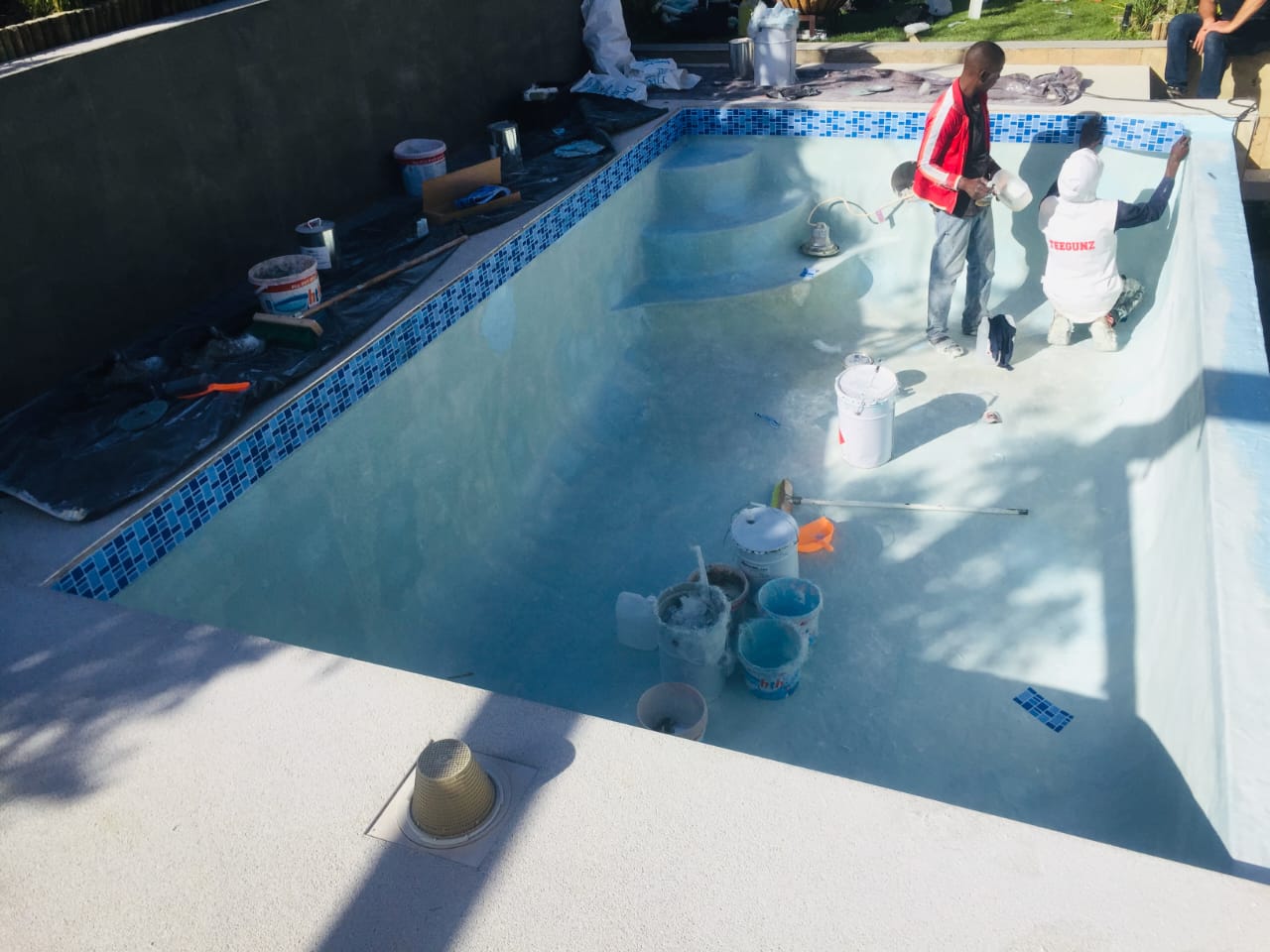
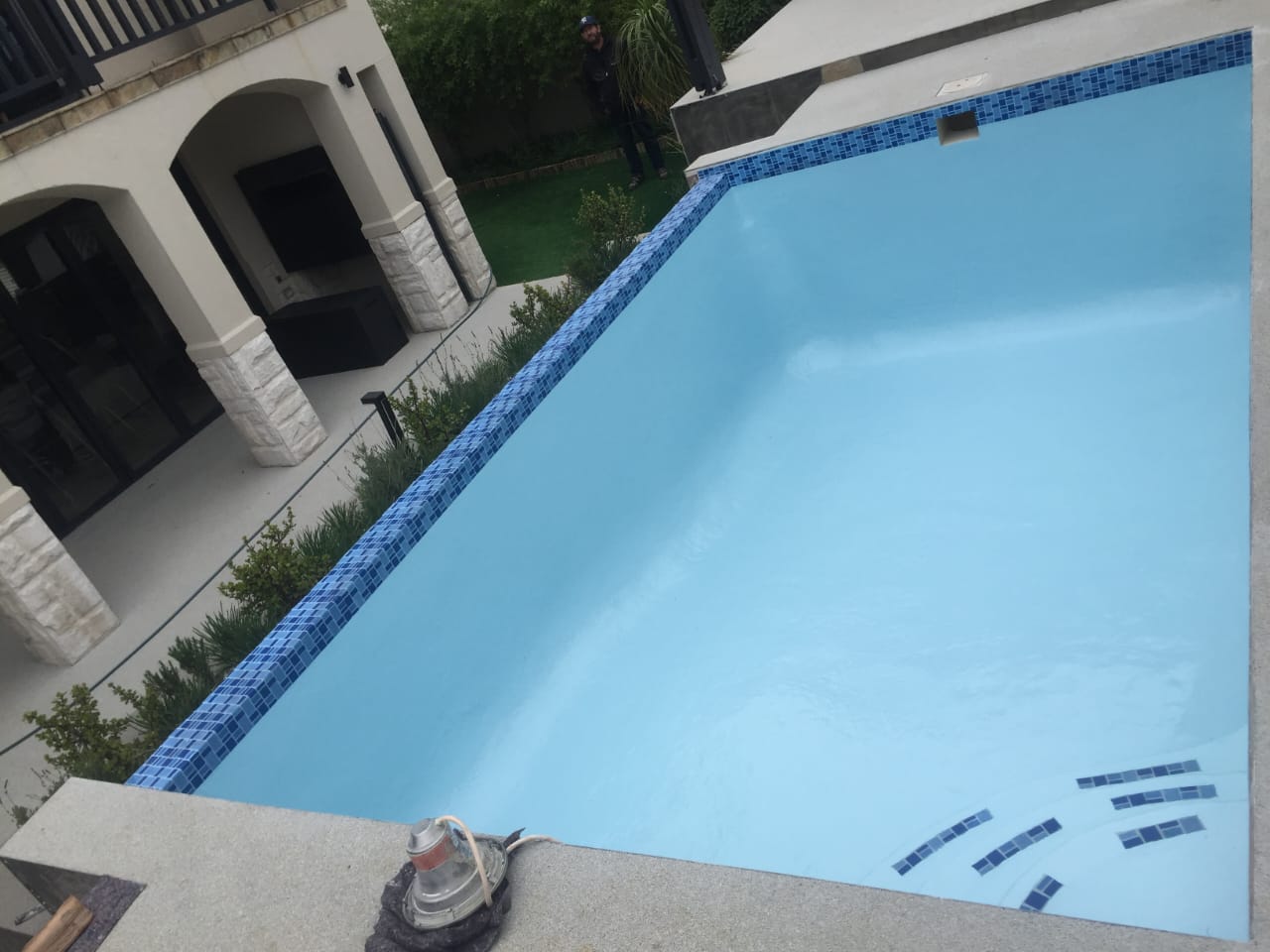
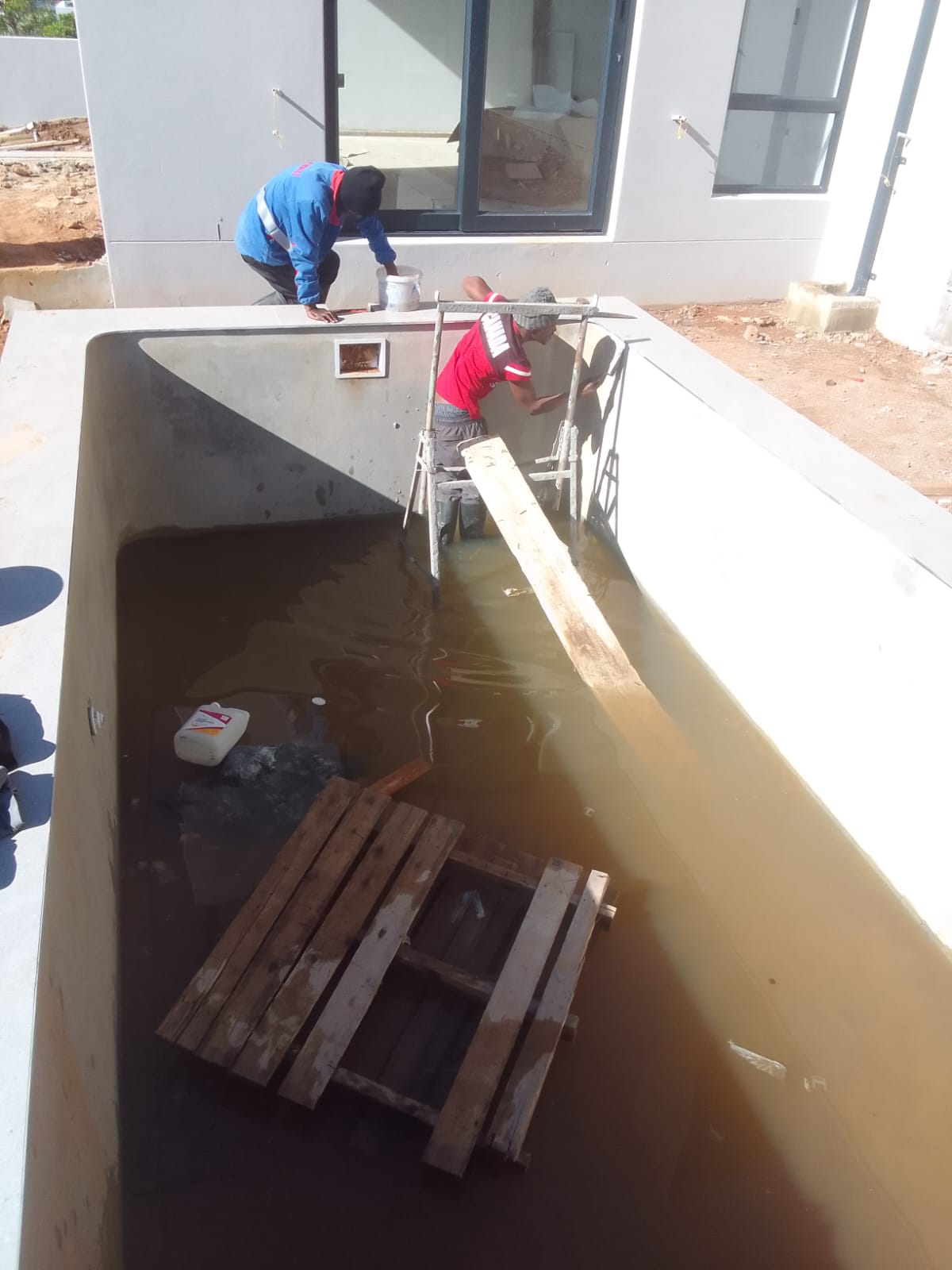
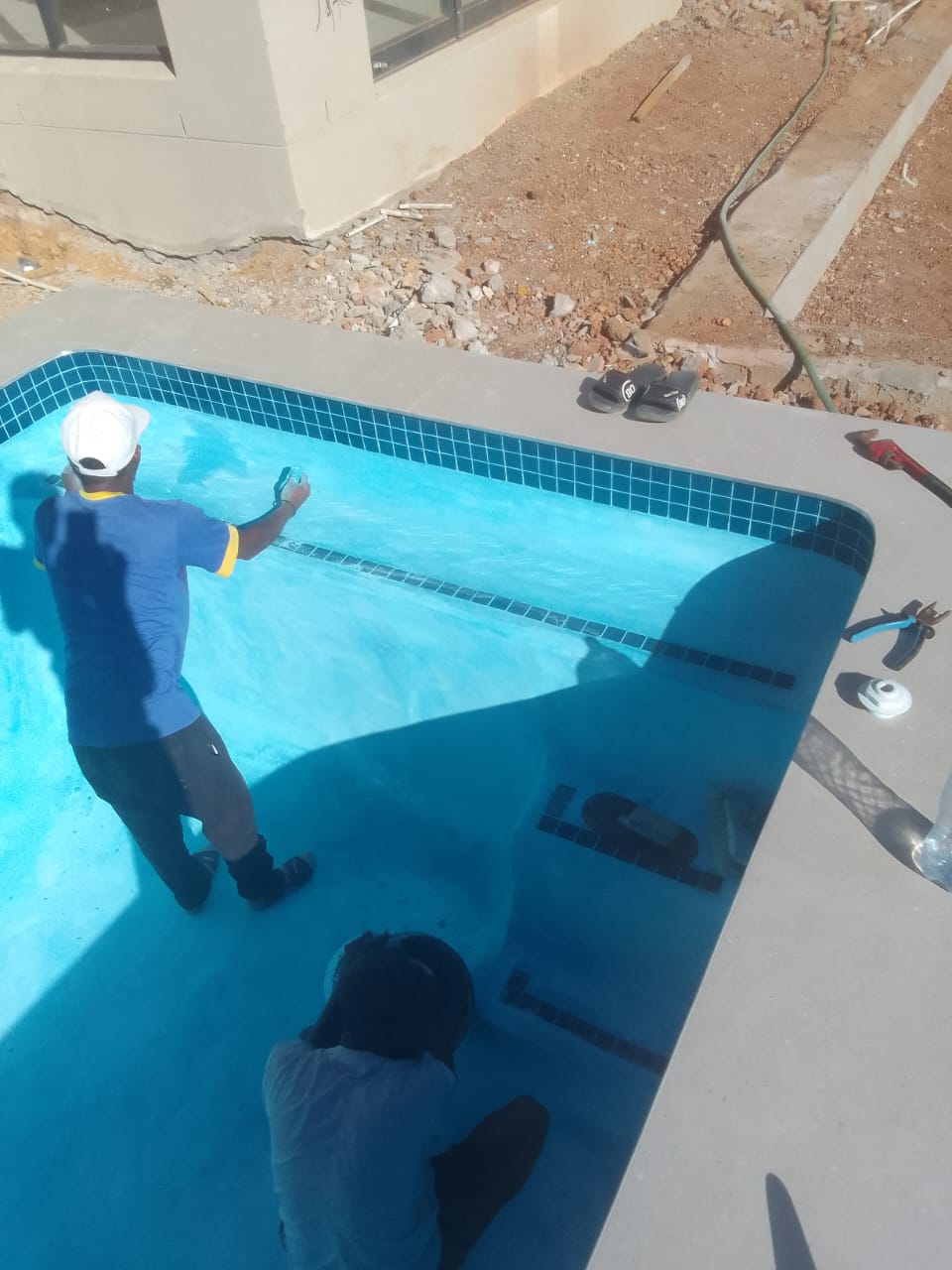
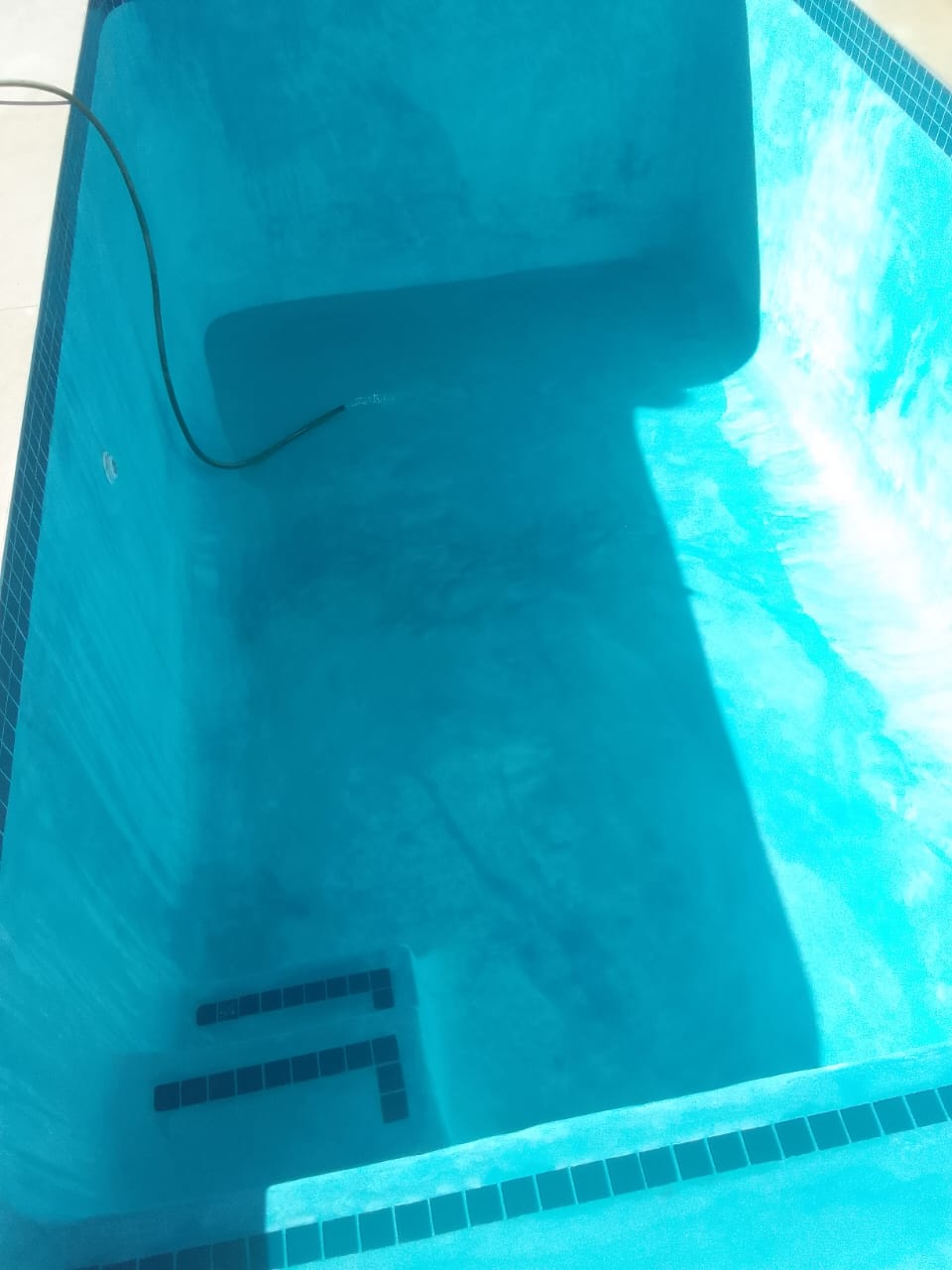
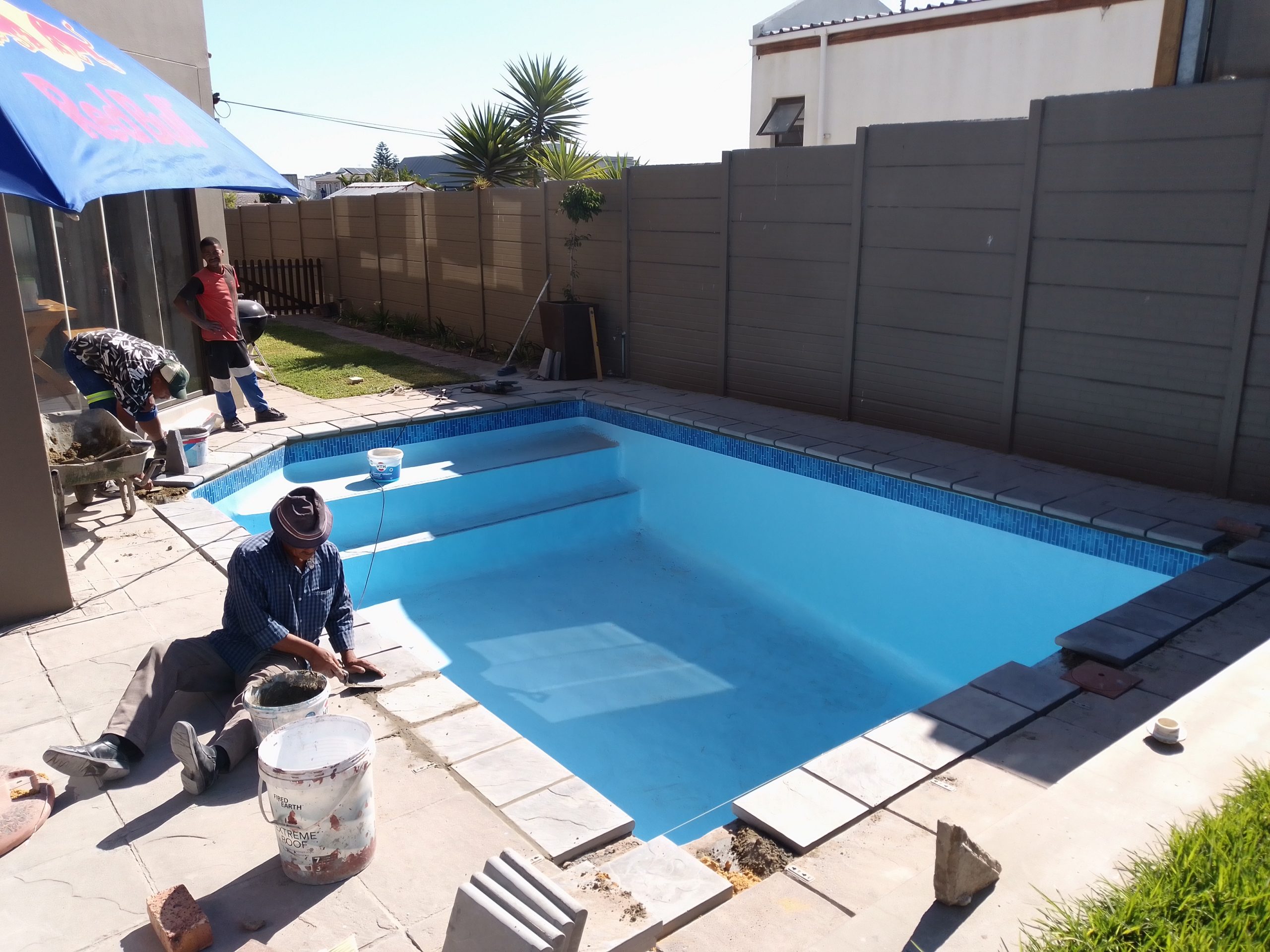
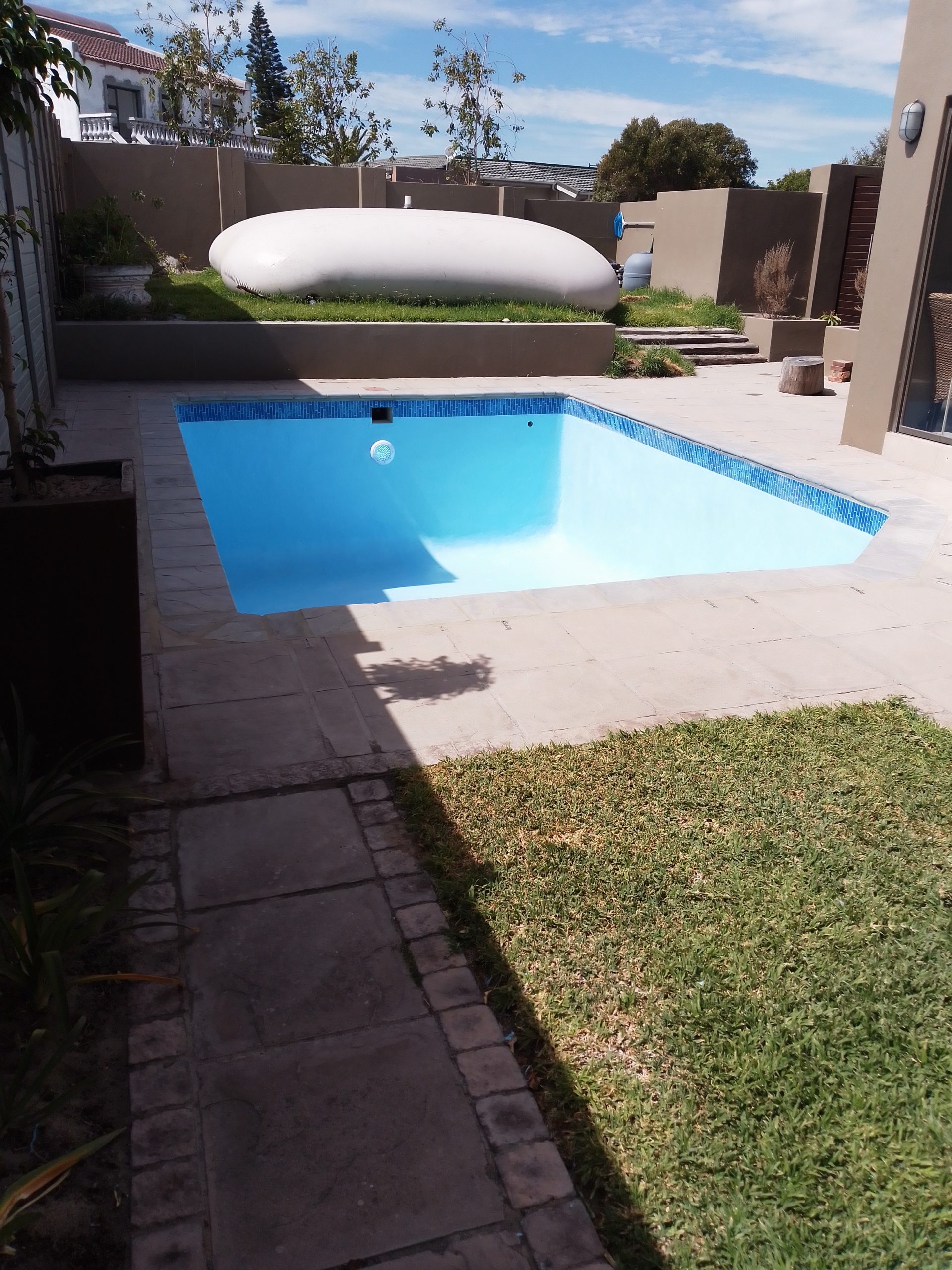
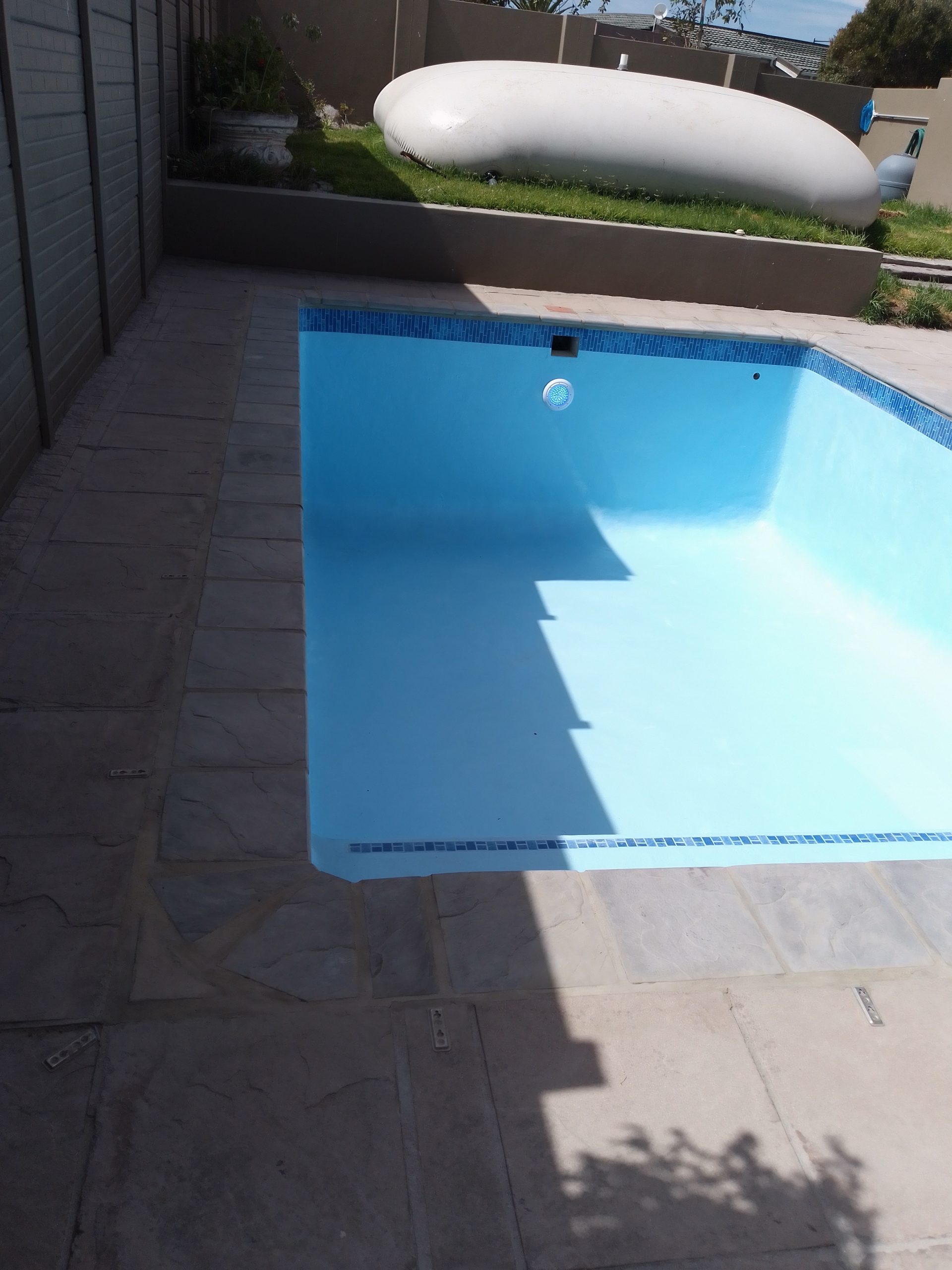
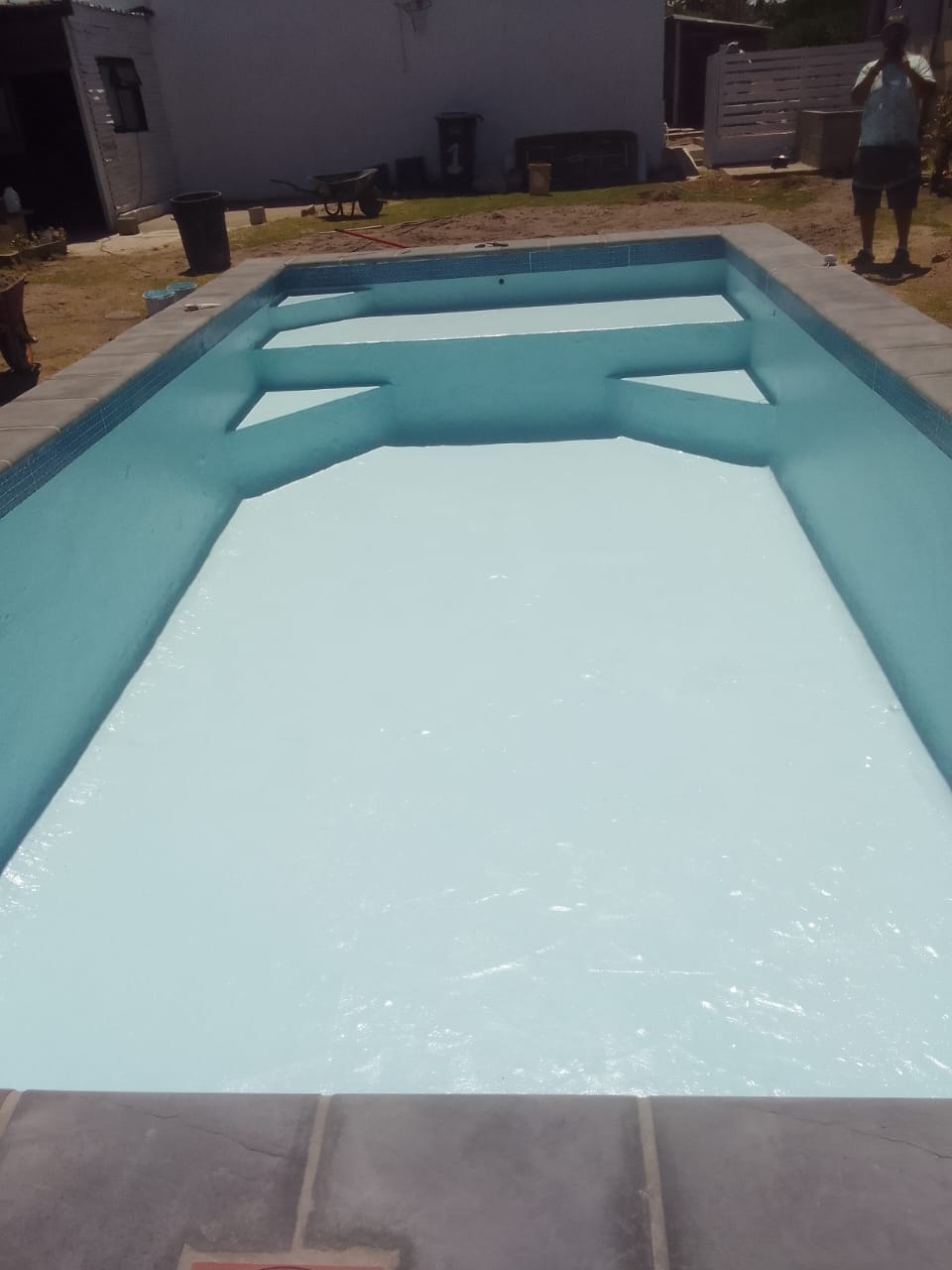
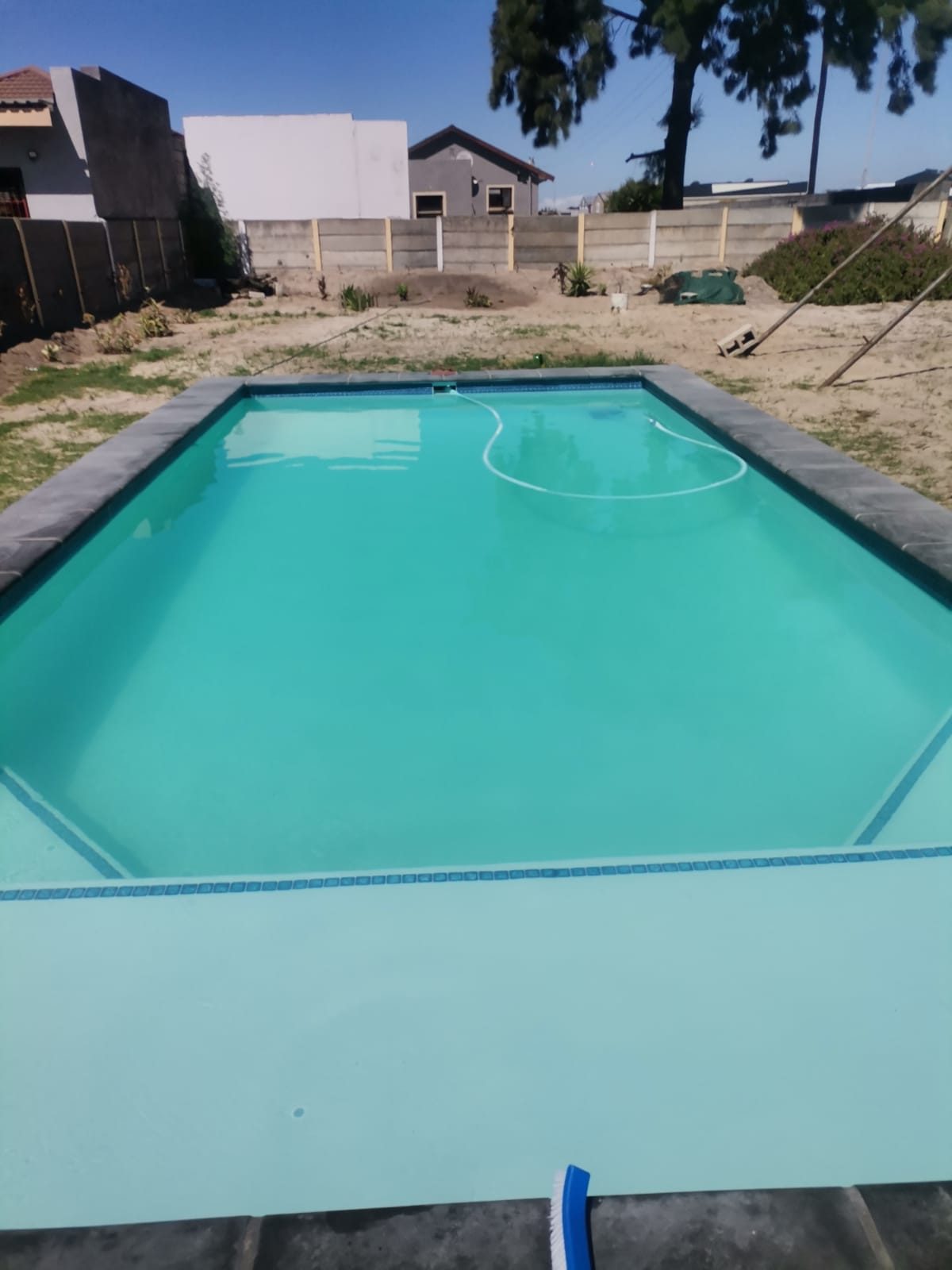
Fibrelining is the process of applying a strong and flexible fiberglass layer to the interior surface of a swimming pool. This method involves coating the pool with fiberglass matting and resin, which forms a smooth, watertight, and highly durable surface. Fibrelining is ideal for both new pool installations and renovations of older, cracked, or damaged pools, as it strengthens the pool structure and prevents leaks.
One of the key benefits of fibrelining is its resistance to chemicals, algae growth, and stains, making the pool easier to clean and maintain. It can also improve the overall appearance of the pool, giving it a sleek, seamless finish. Depending on care and maintenance, a properly installed fiberglass lining can last 15 to 20 years, providing a long-lasting solution that extends the life of your pool while minimizing maintenance costs
Pool Marbelite Repalster
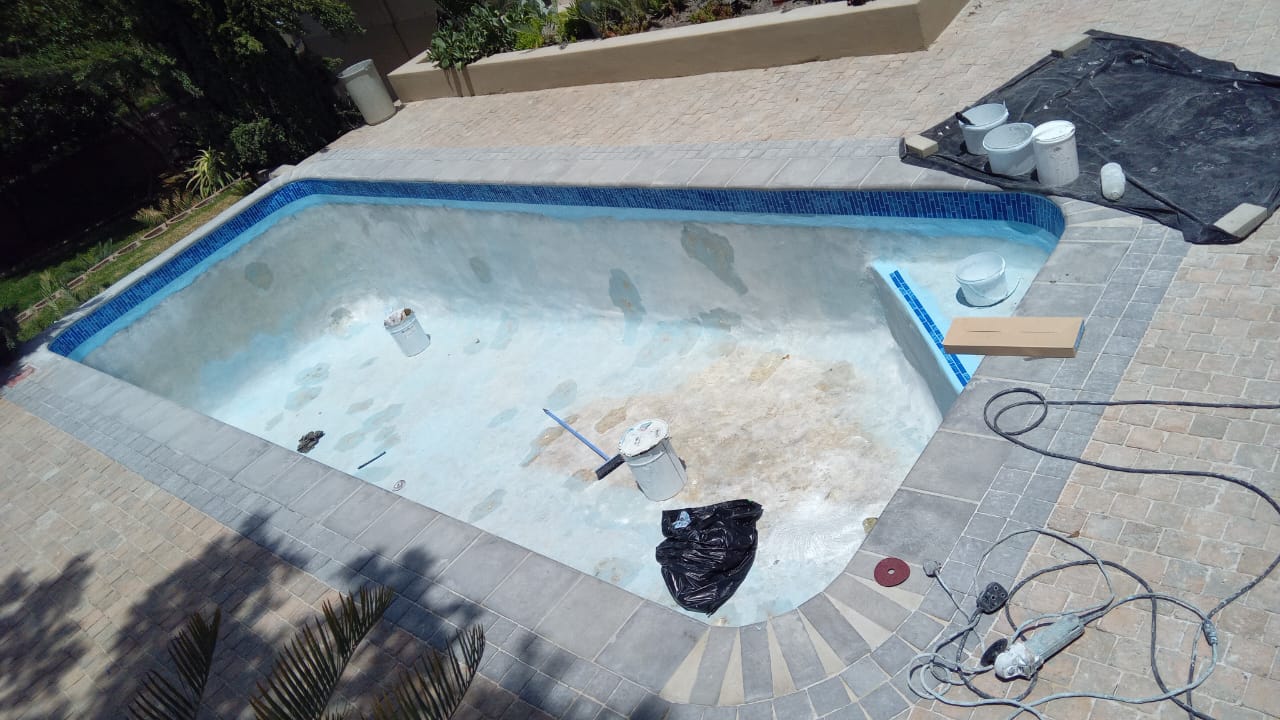
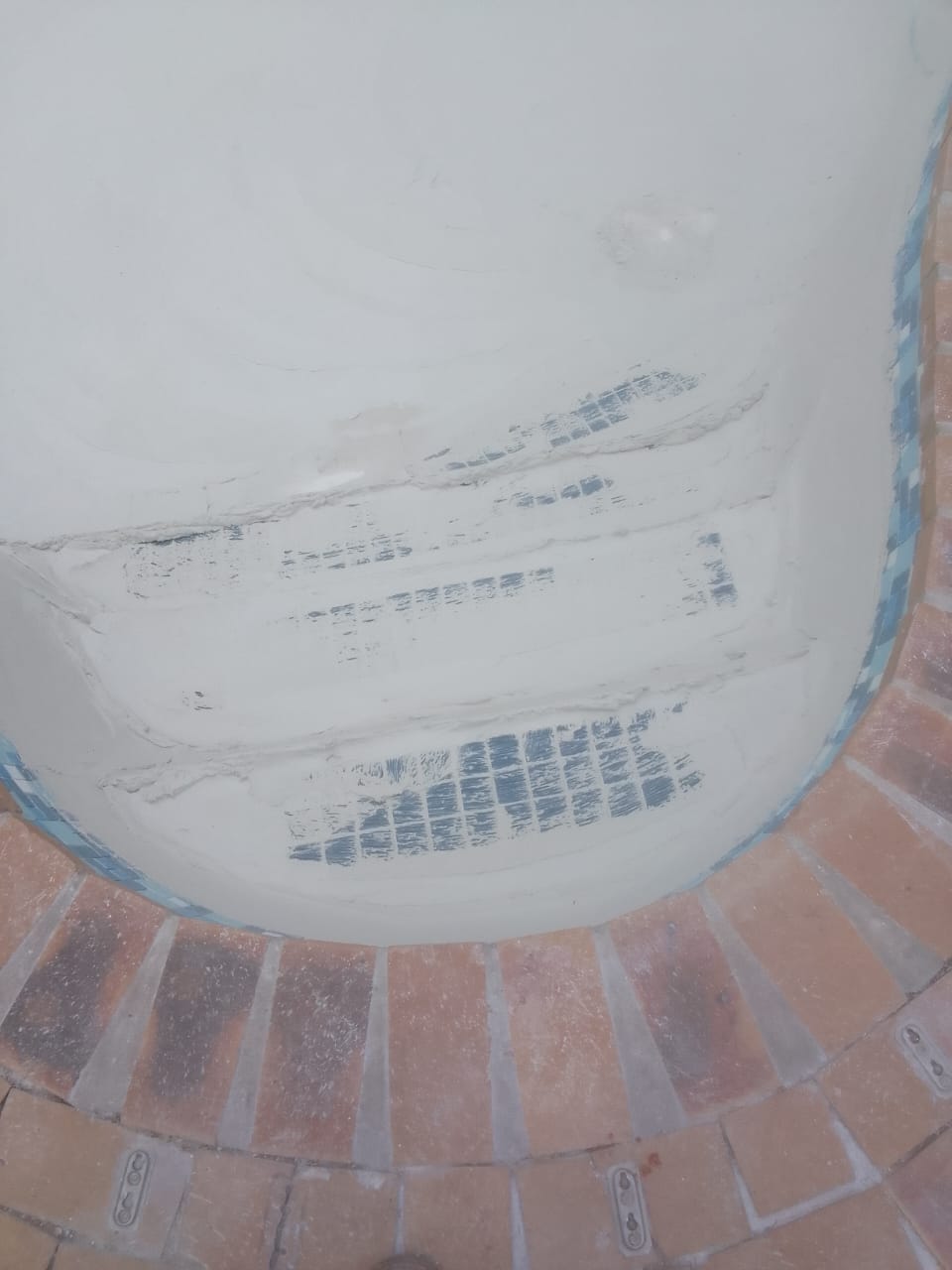
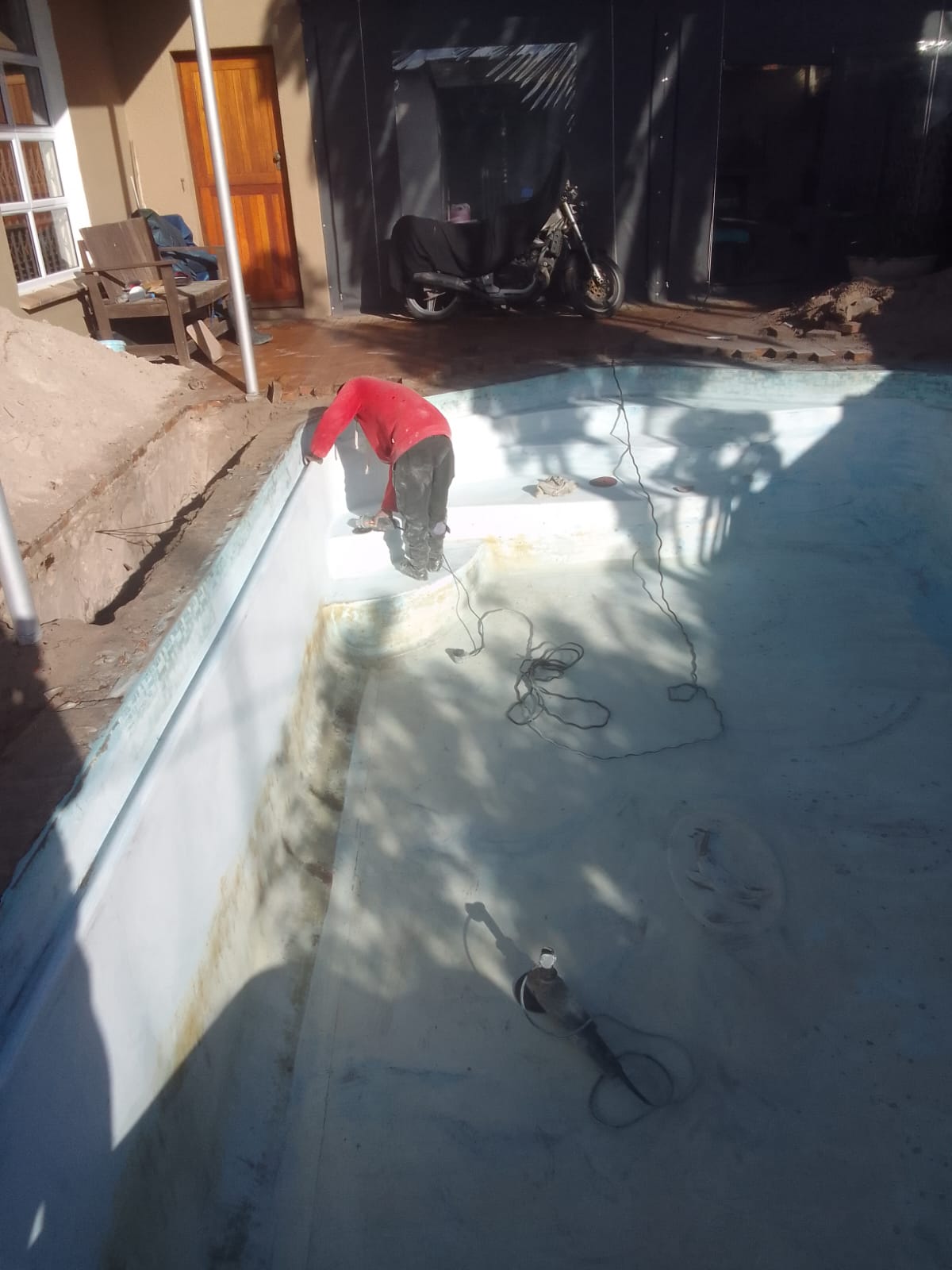
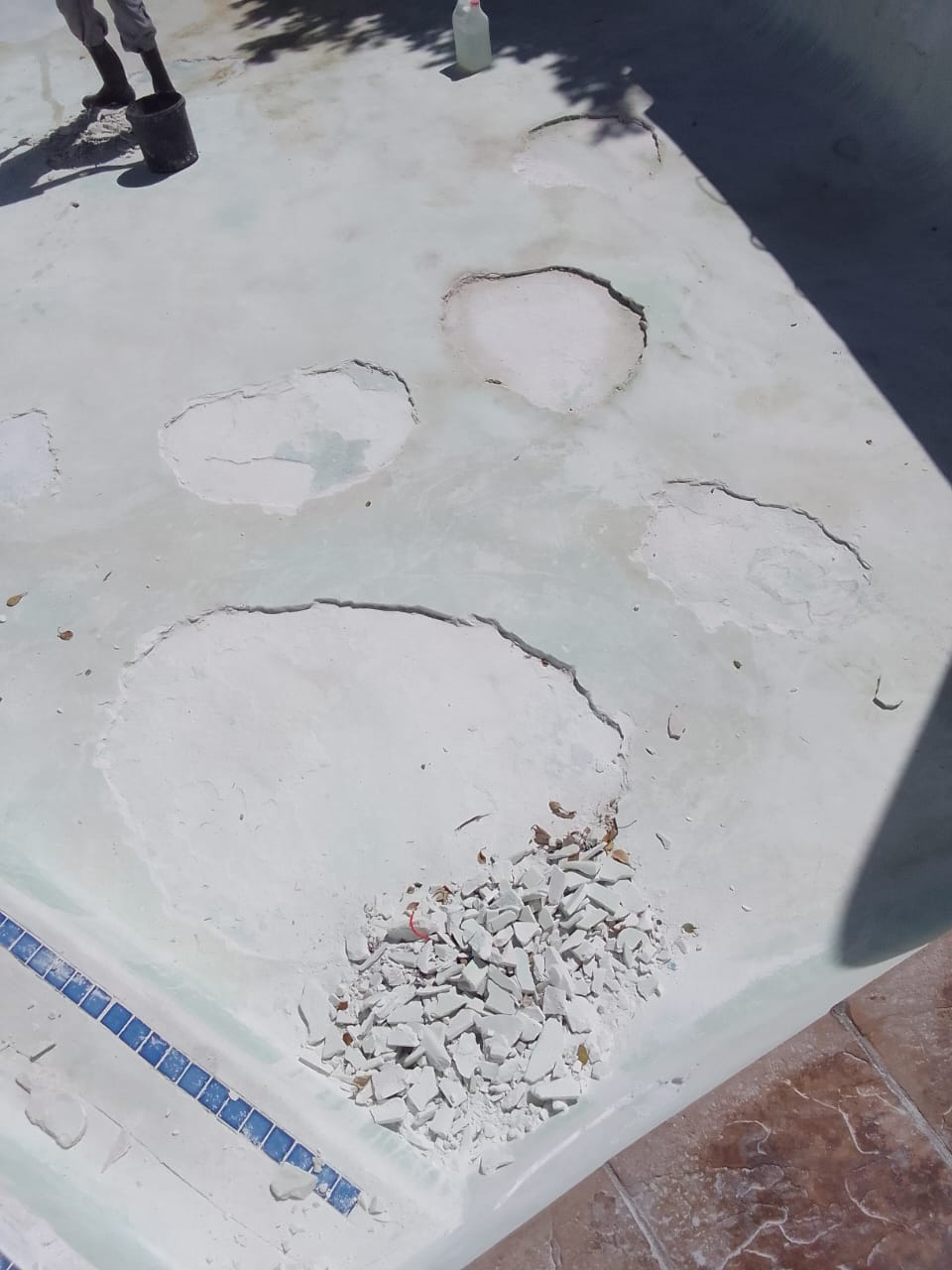
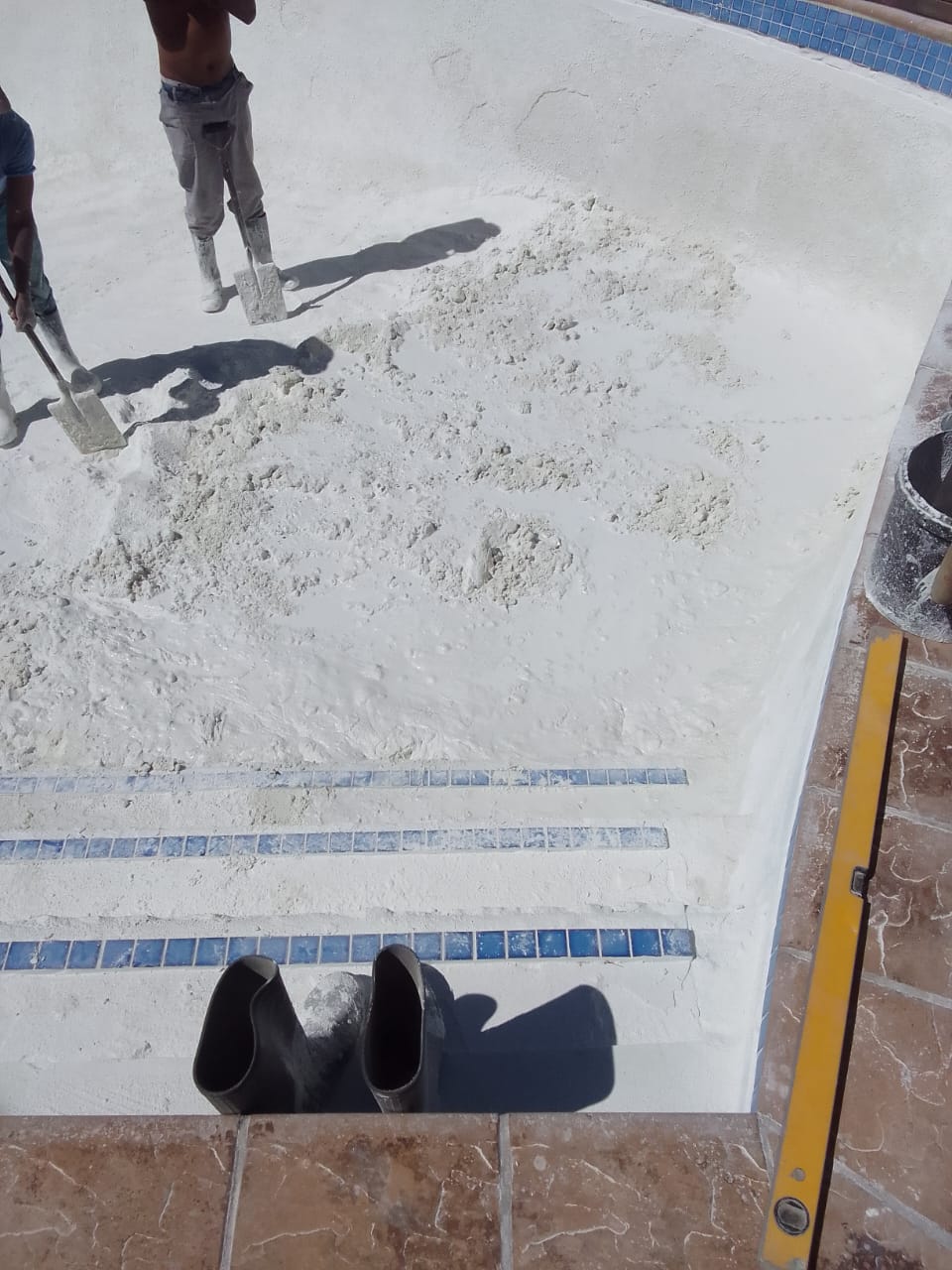
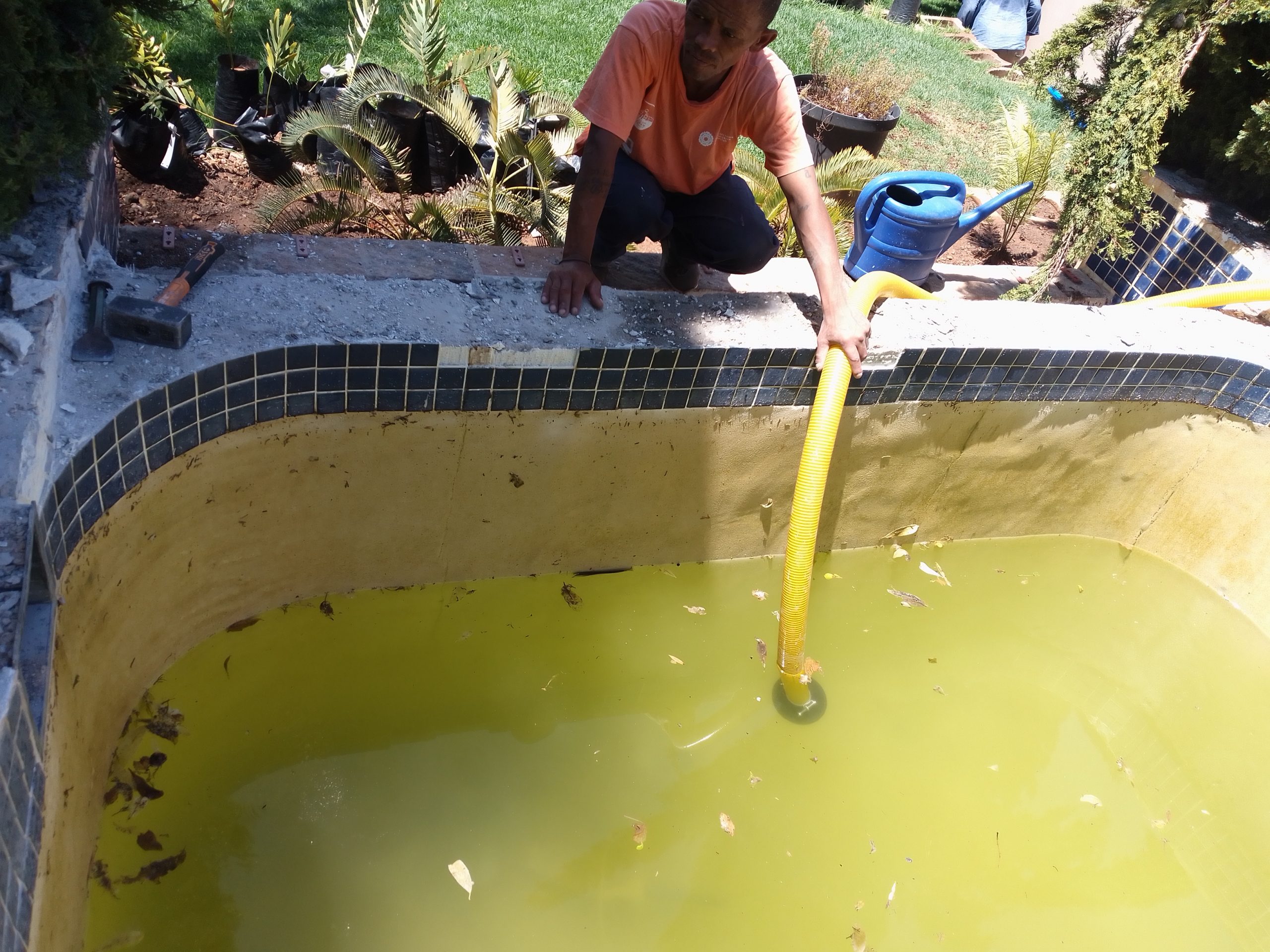
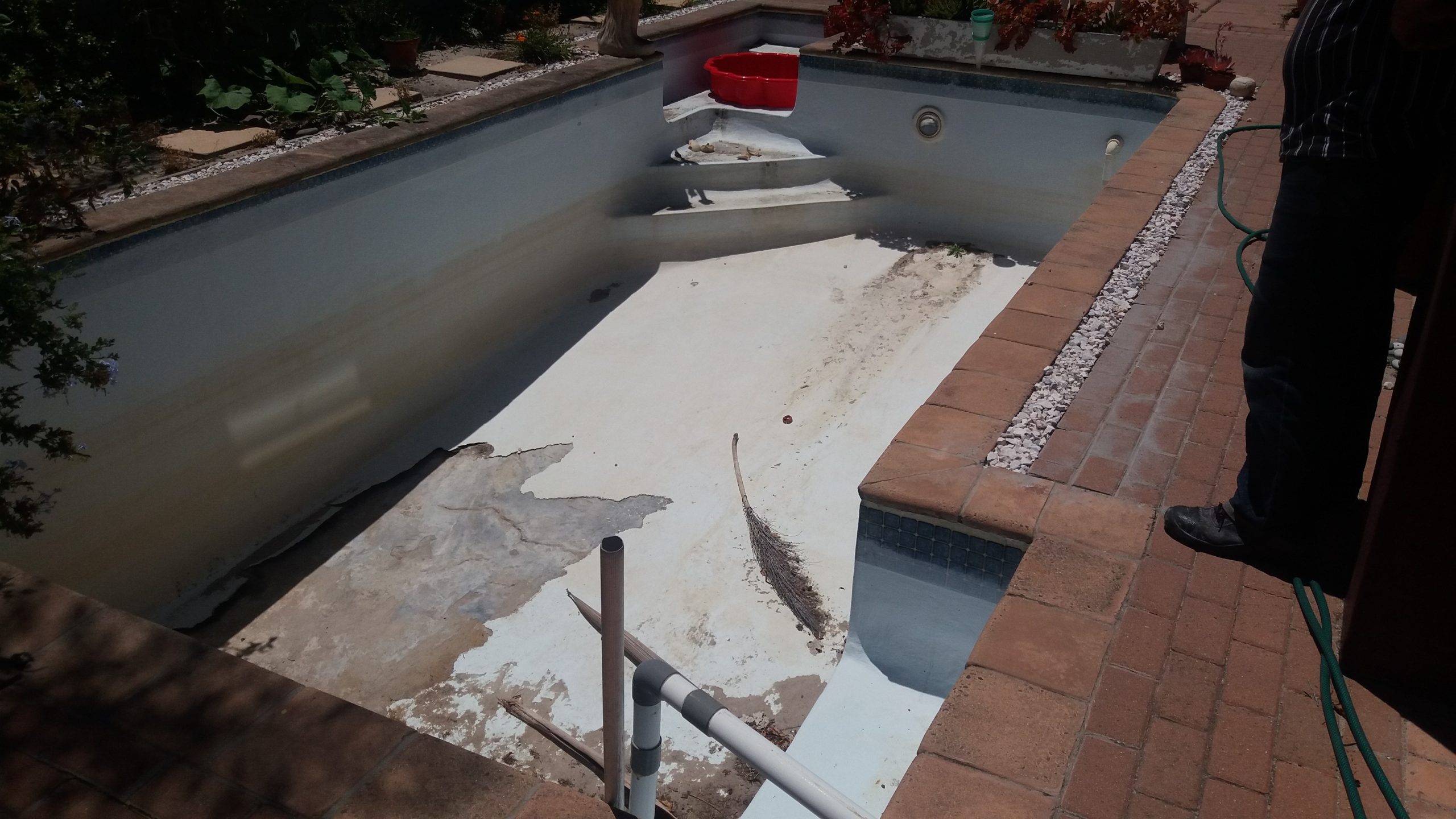
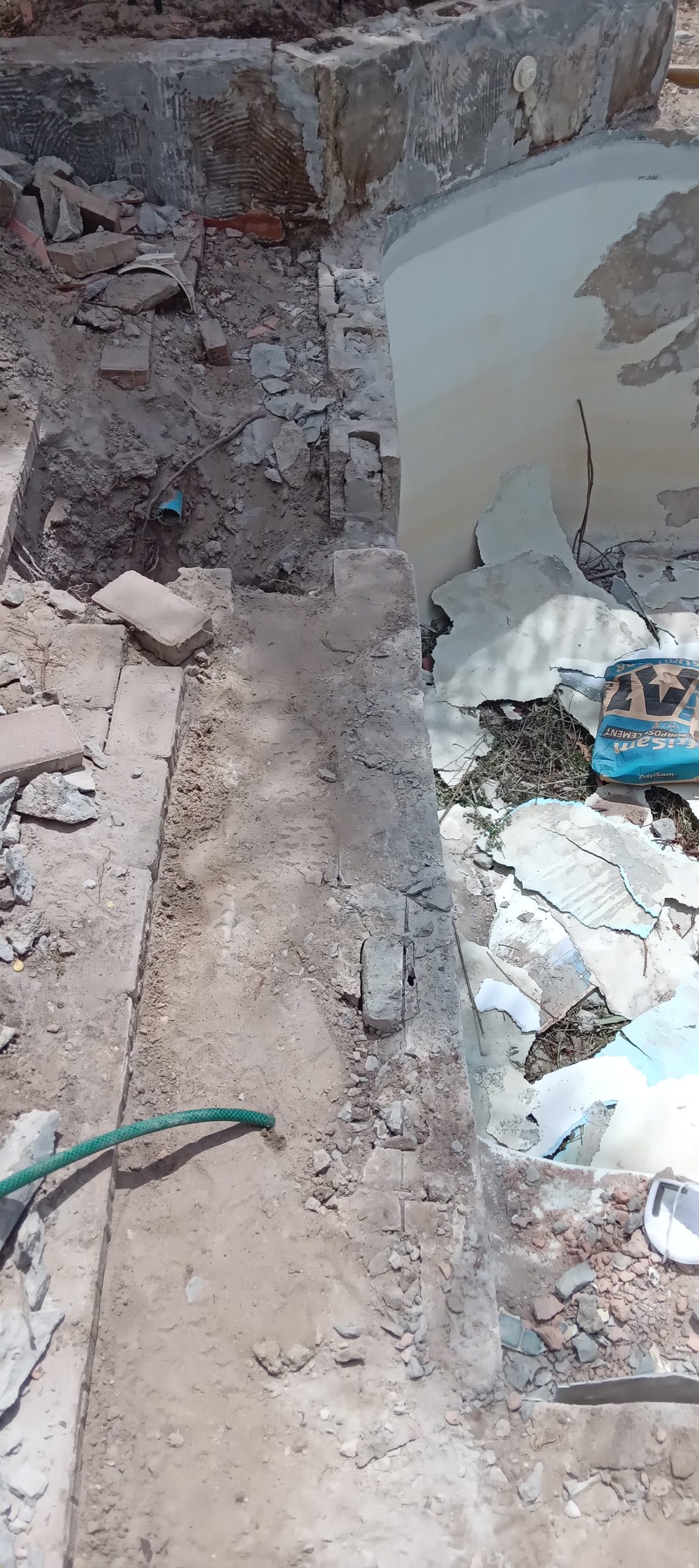
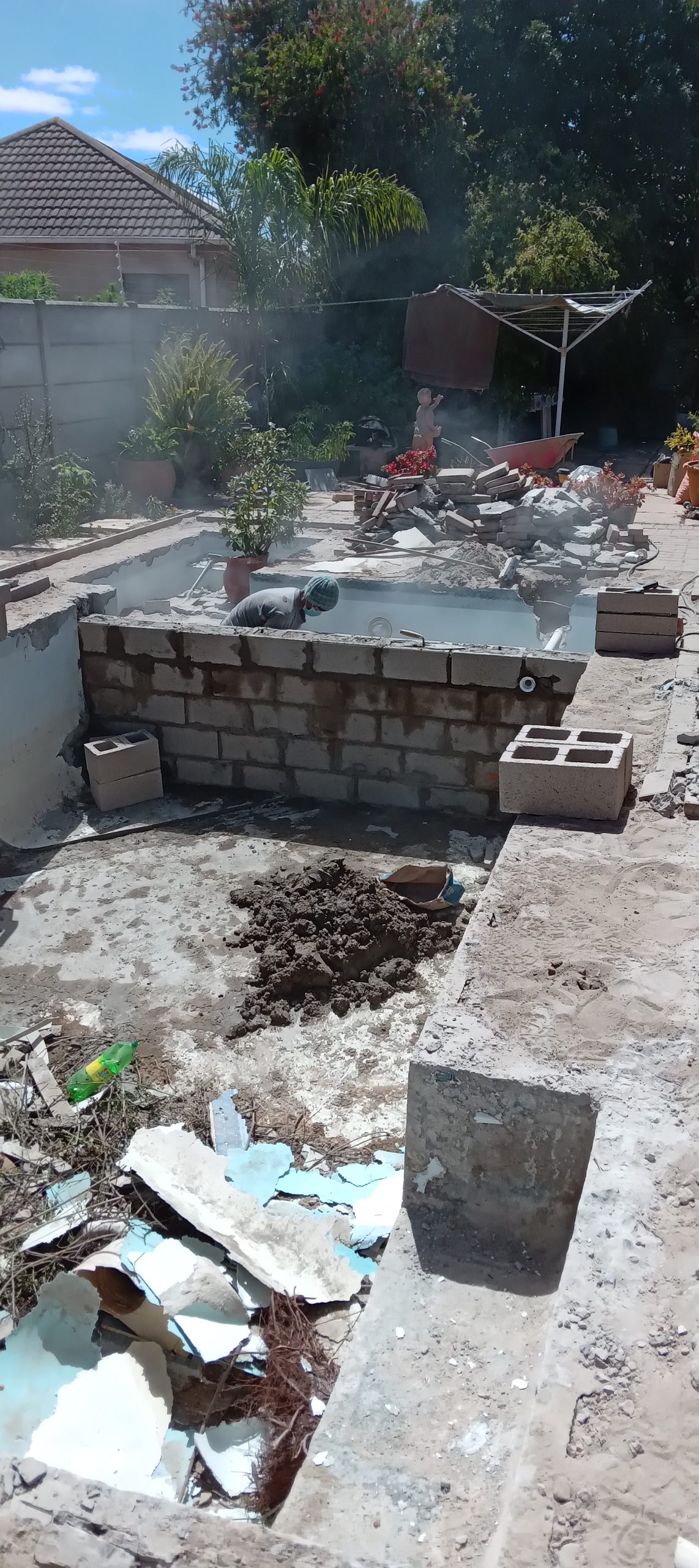
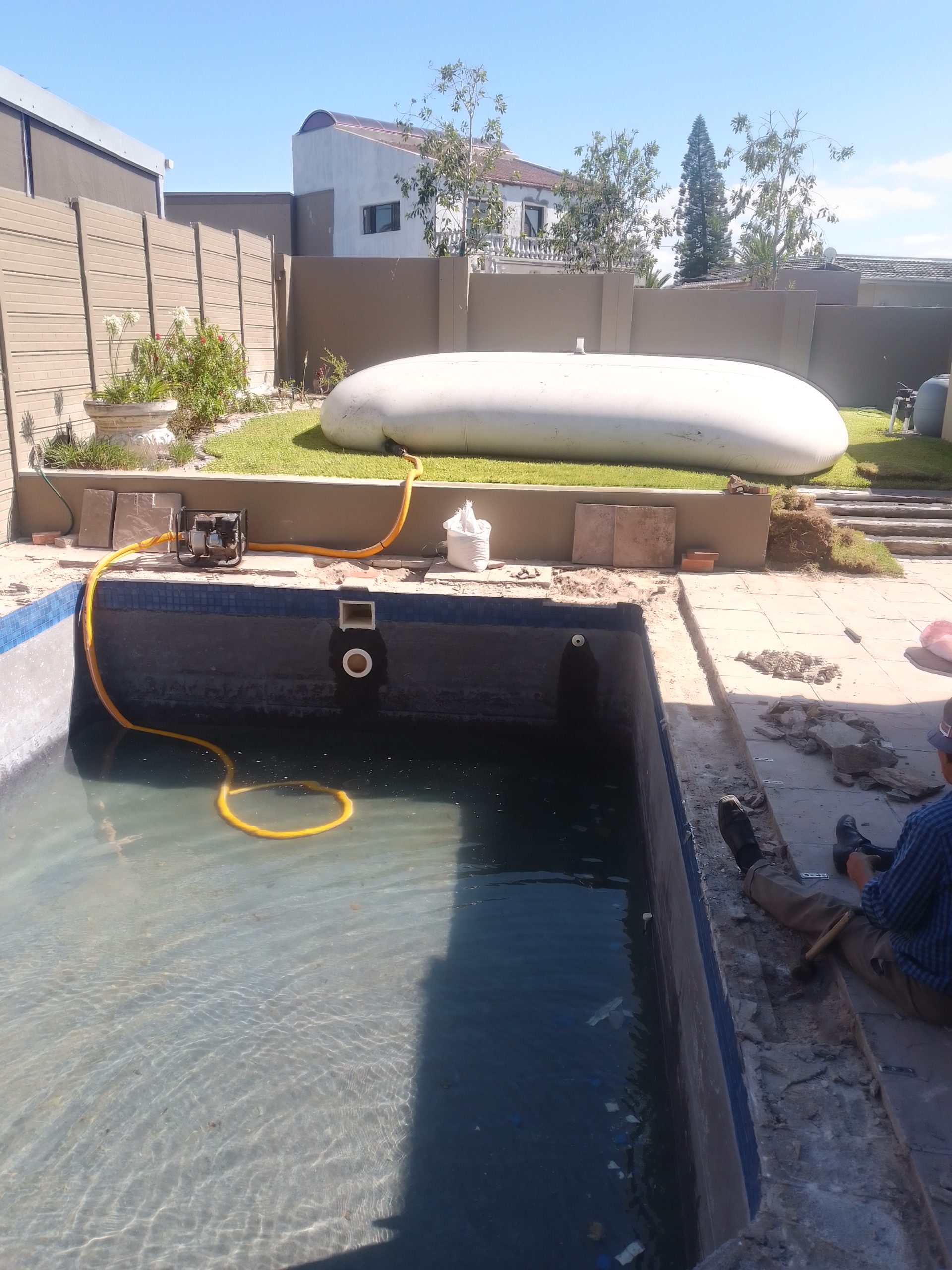
Pool replastering is the process of removing the old, damaged plaster and applying a fresh layer to the pool’s interior surface. The new plaster creates a smooth, durable, and watertight finish, ensuring the pool’s structural integrity and improving its appearance. This process typically involves draining the pool, prepping the surface by removing any loose or cracked plaster, and then applying a new plaster coat. The plaster can come in various finishes, including standard white, colored, or even pebble finishes for a more textured and aesthetically pleasing look.
Plastering not only gives your pool a clean, updated appearance but also seals any imperfections, preventing leaks and helping maintain the pool's water quality. It’s ideal for pools showing signs of wear, rough spots, or discoloration. With proper maintenance, such as balanced water chemistry and routine care, a replastered pool surface can last between 10 to 15 years. This makes it a great investment for keeping your pool looking beautiful and functioning properly over the long term.
Pool leak repairs
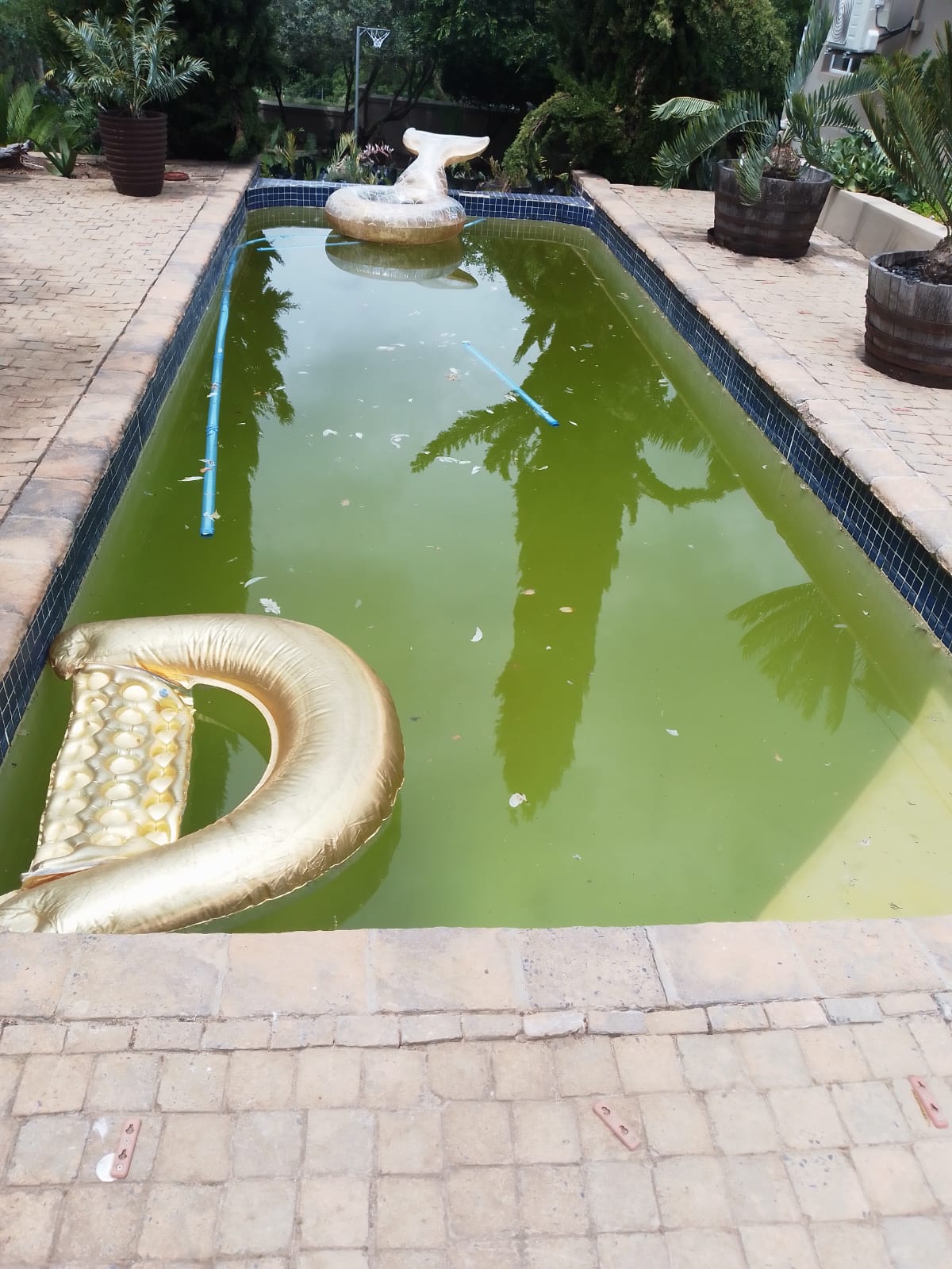
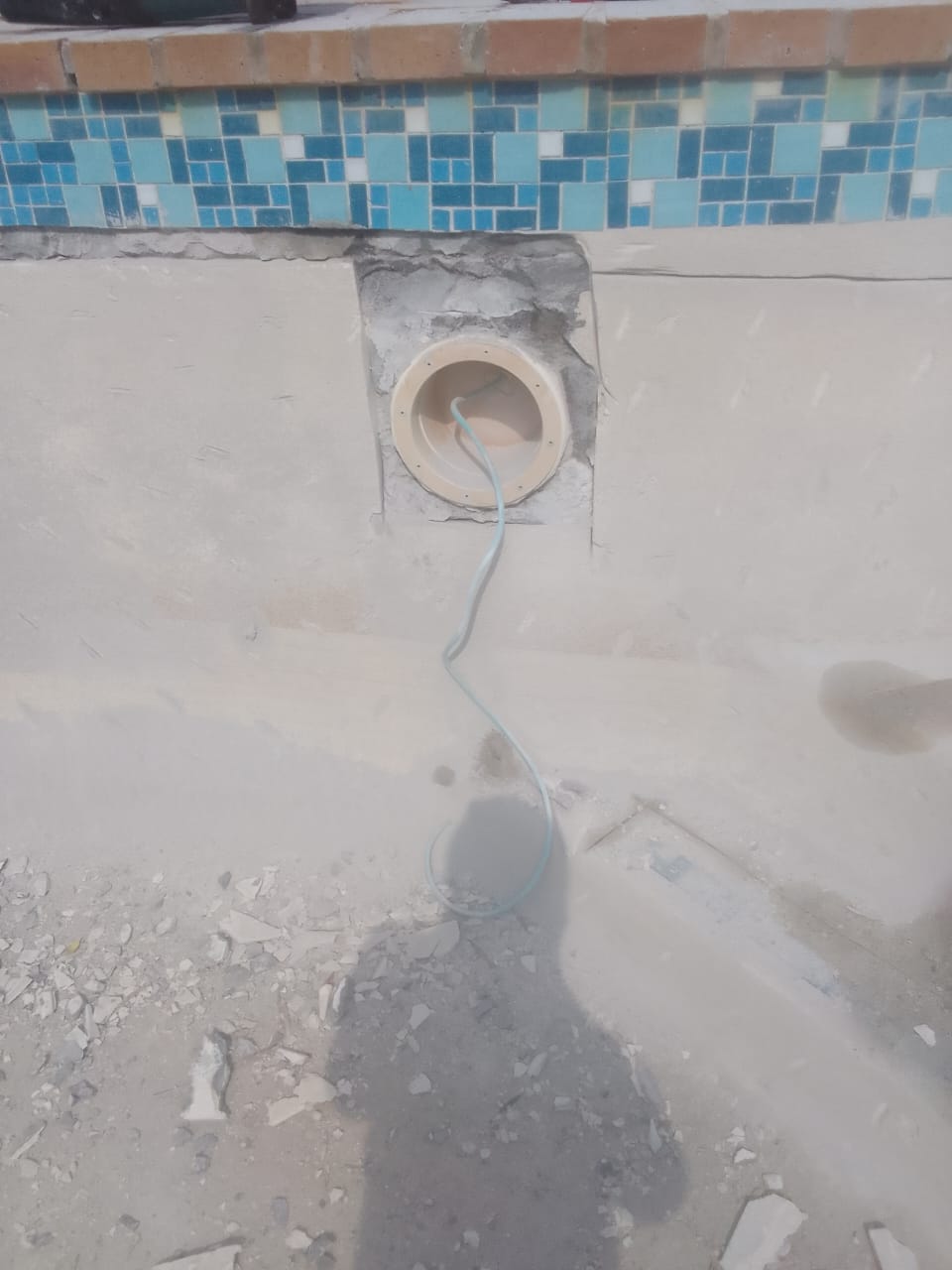
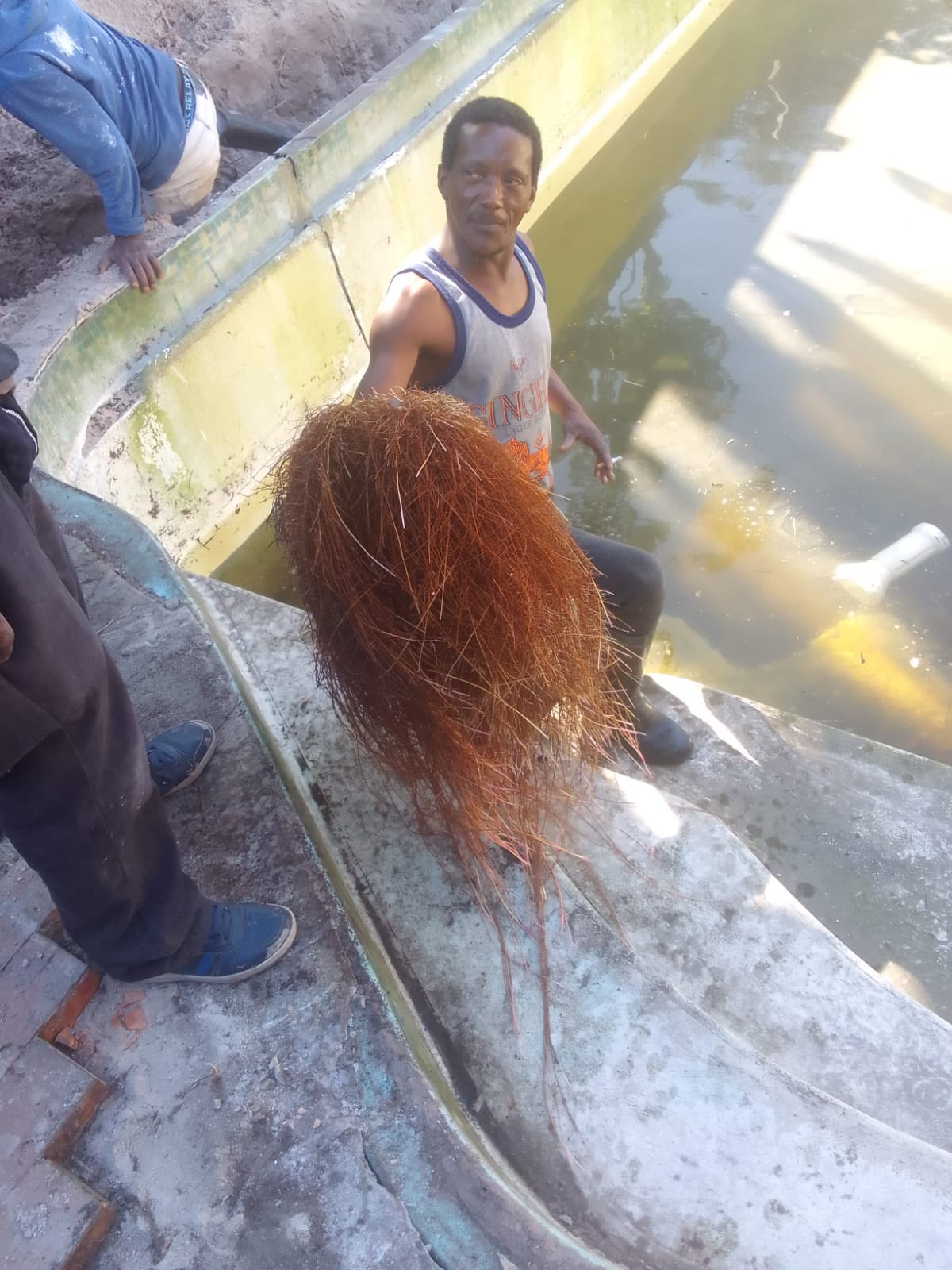
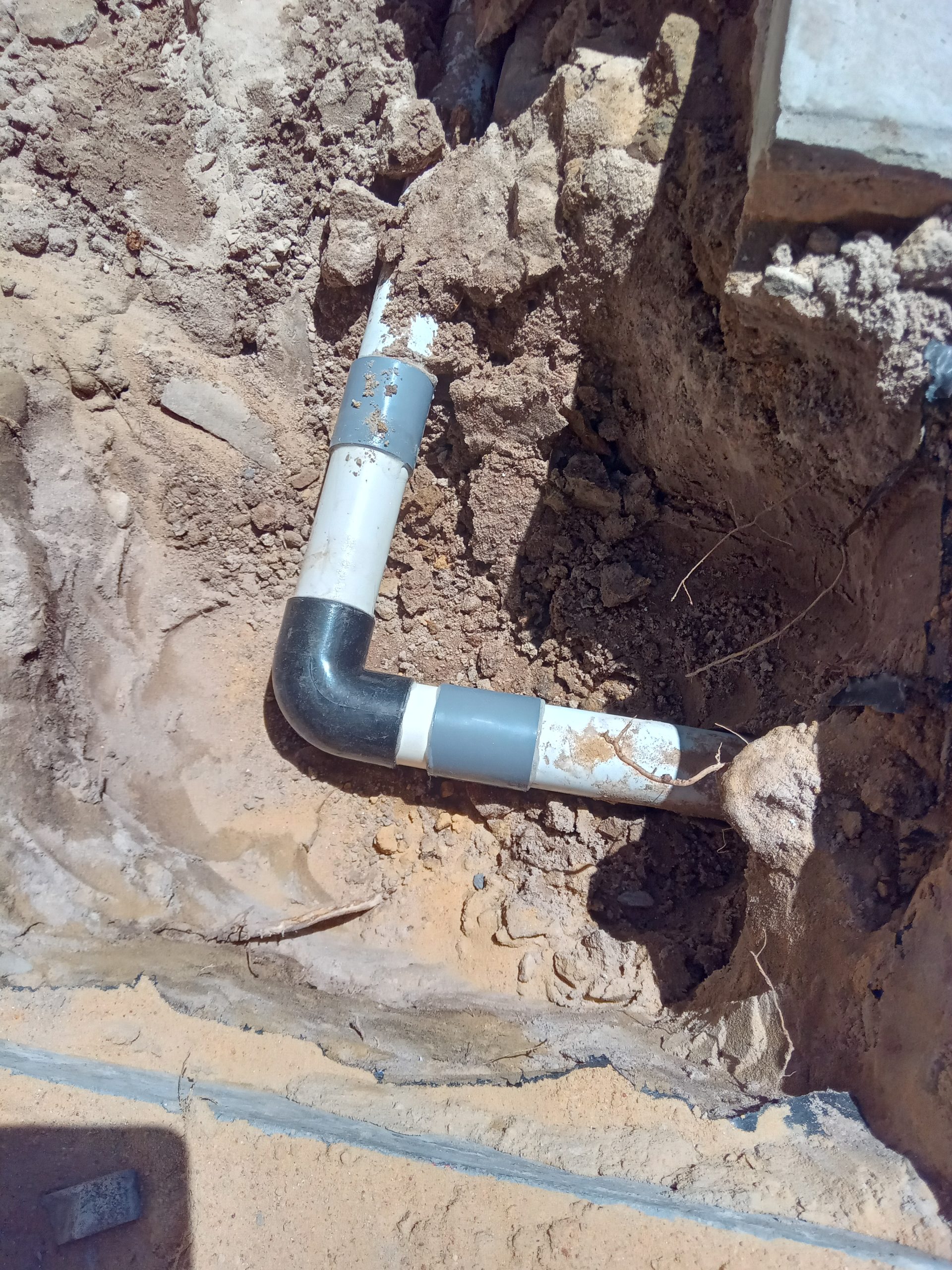
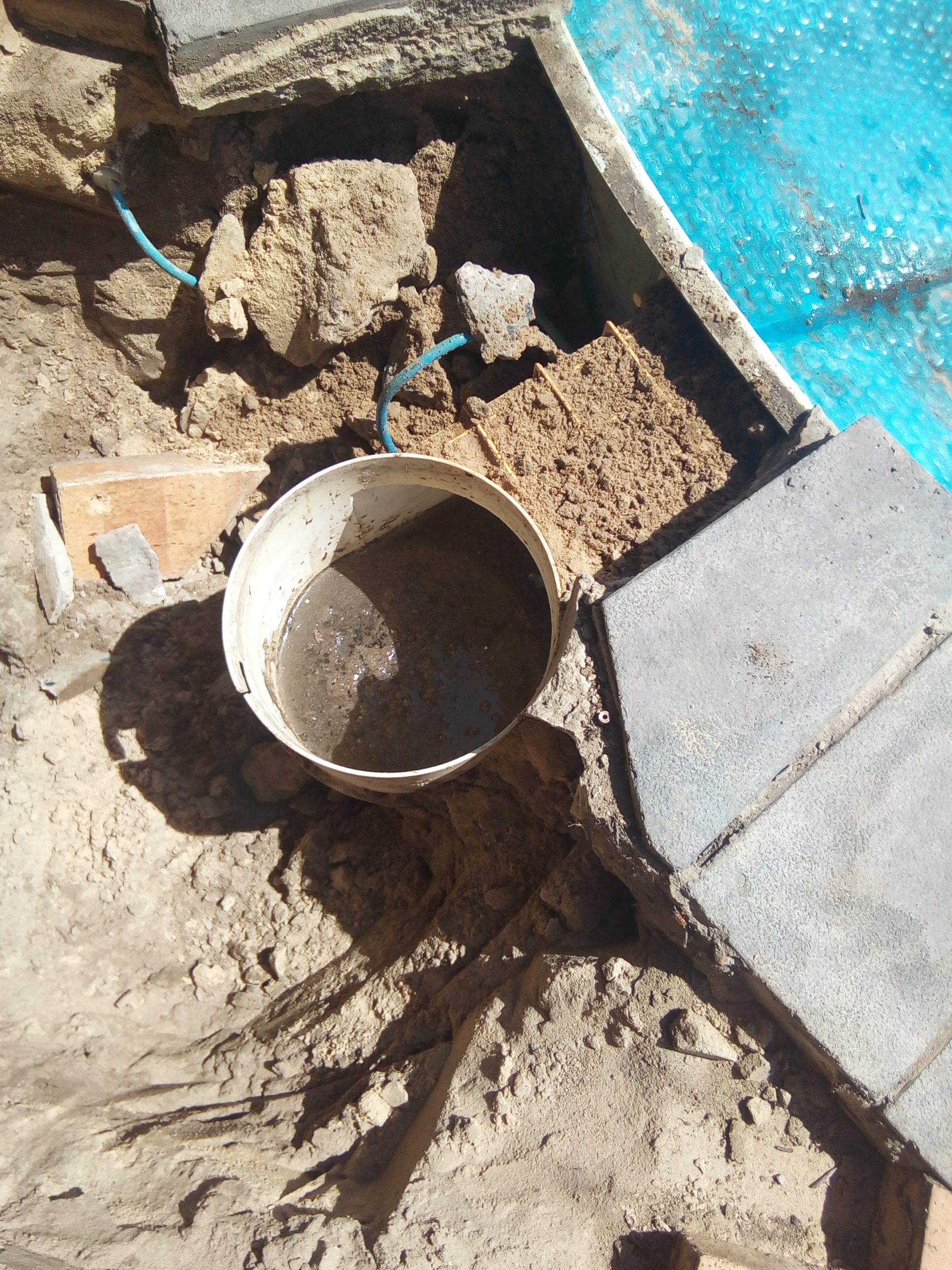
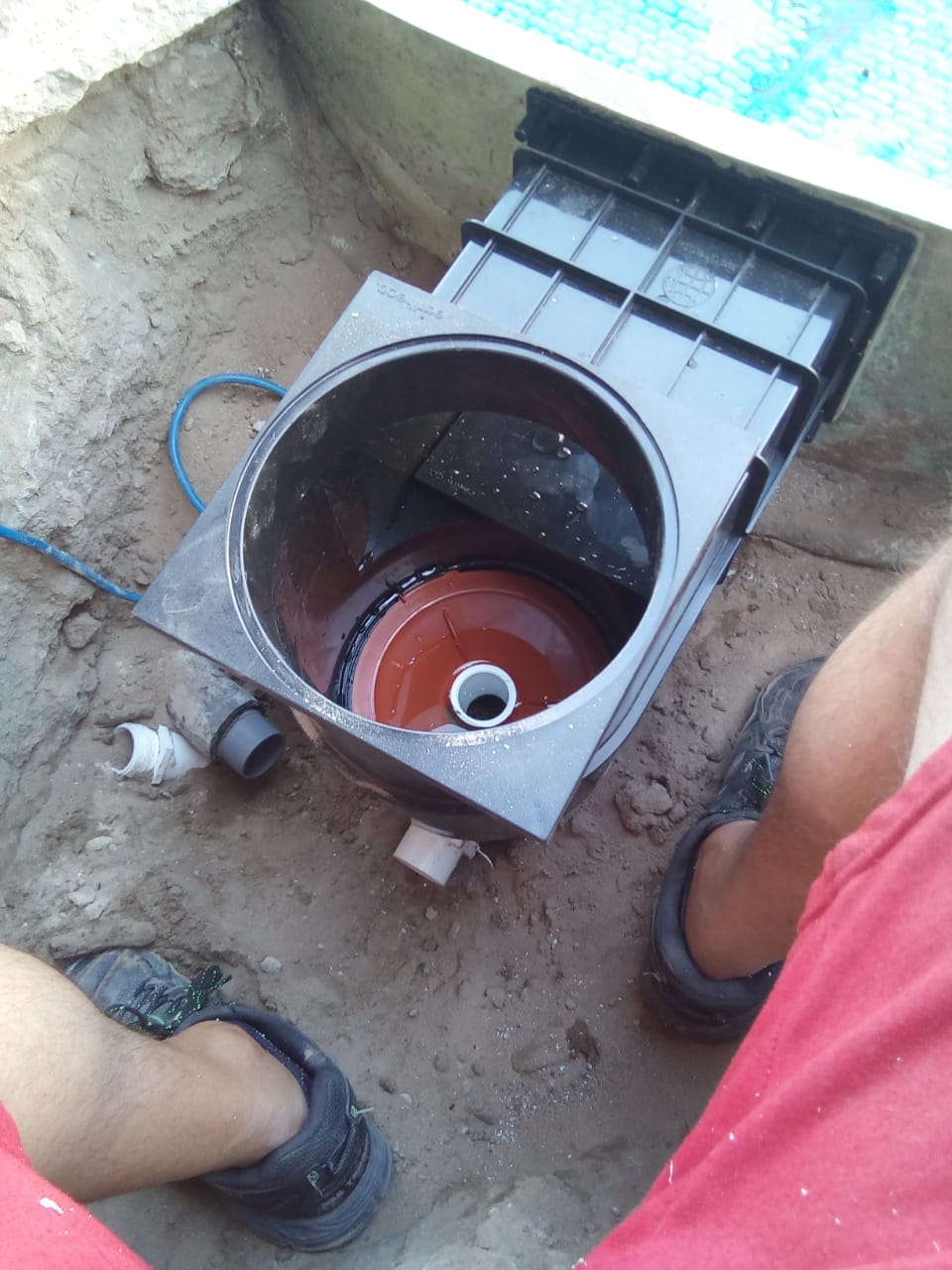
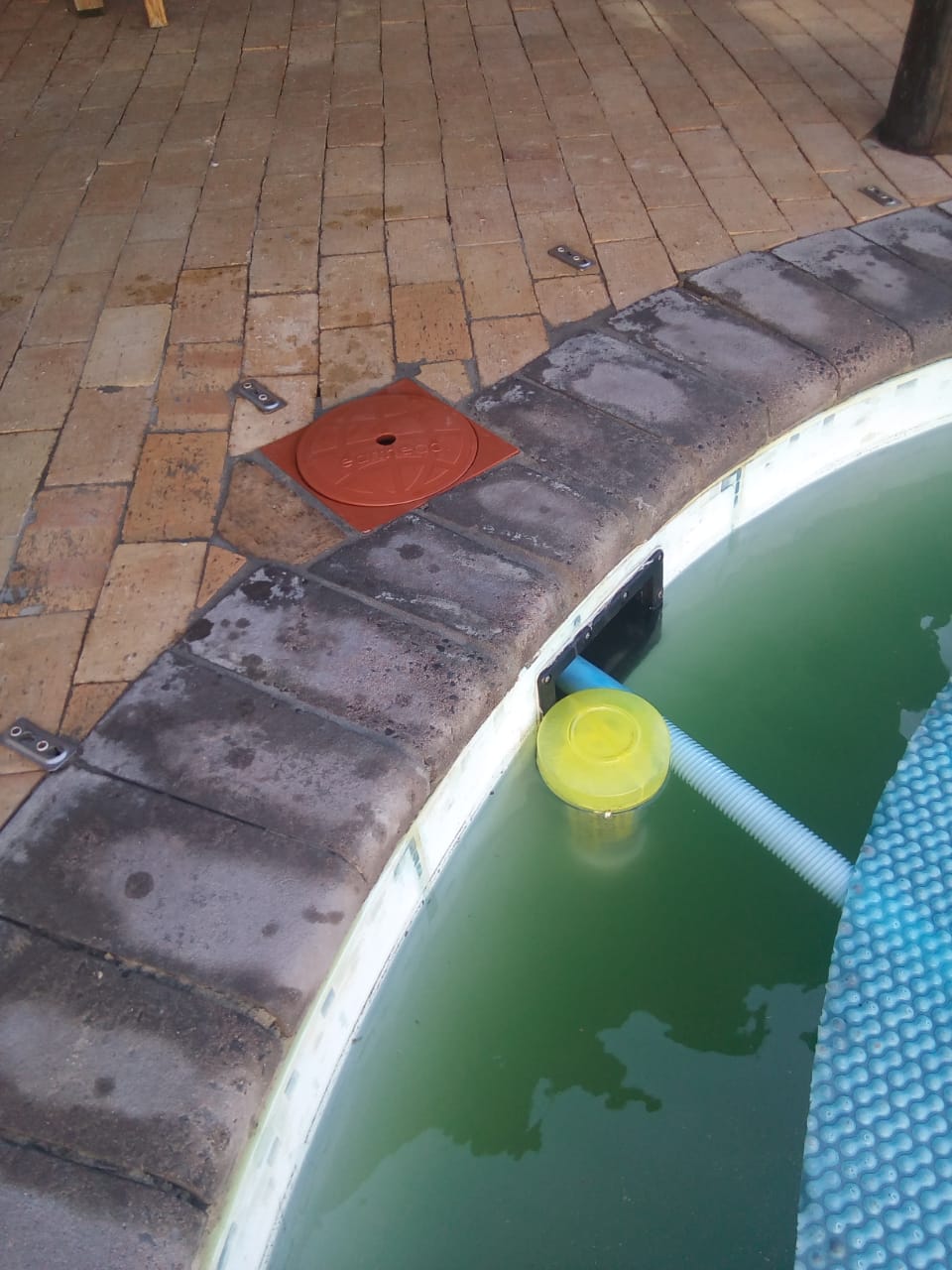
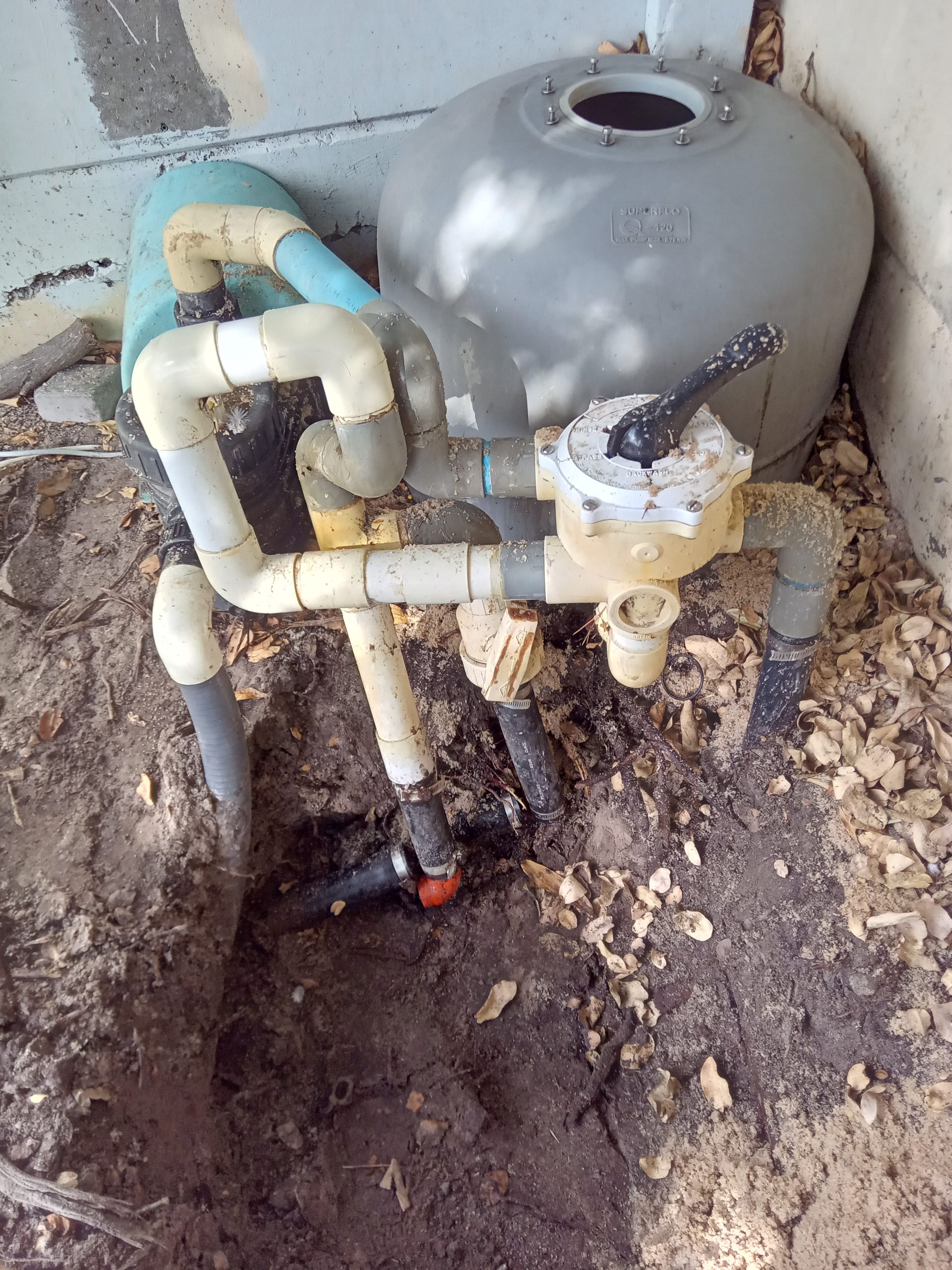
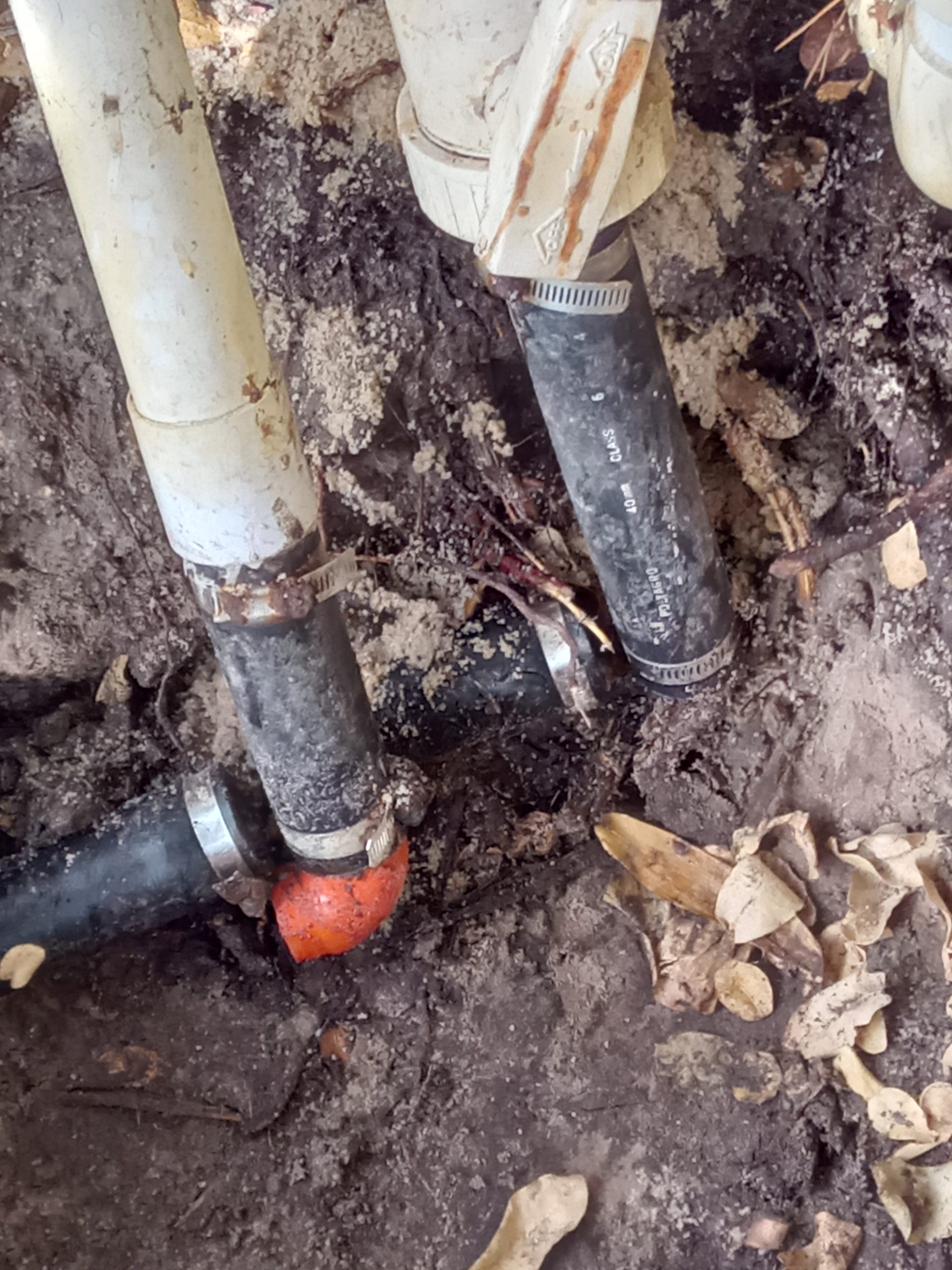
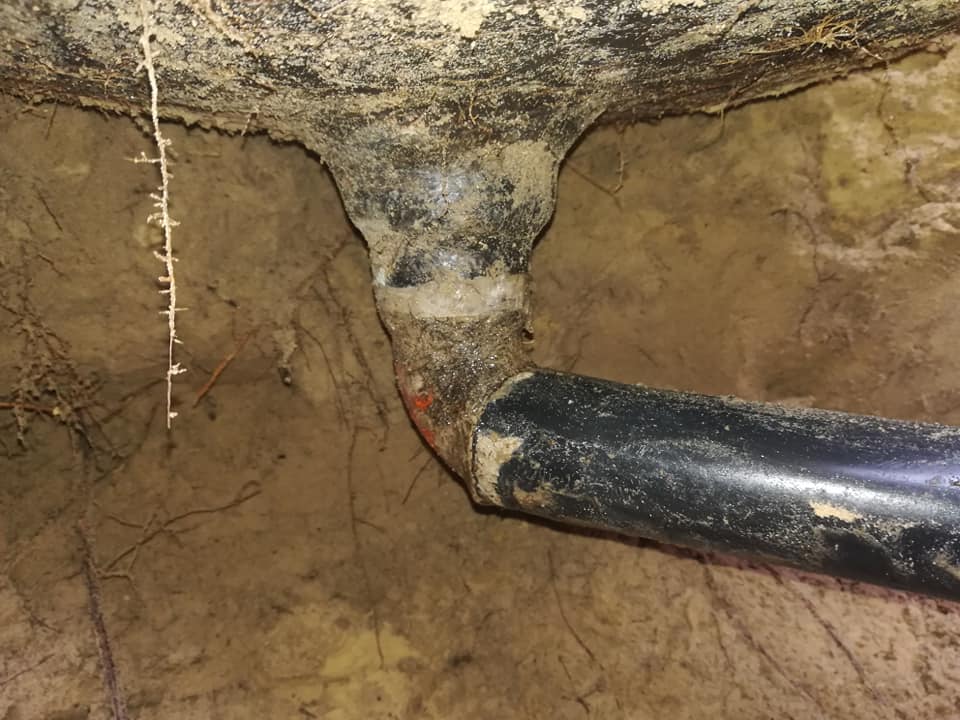
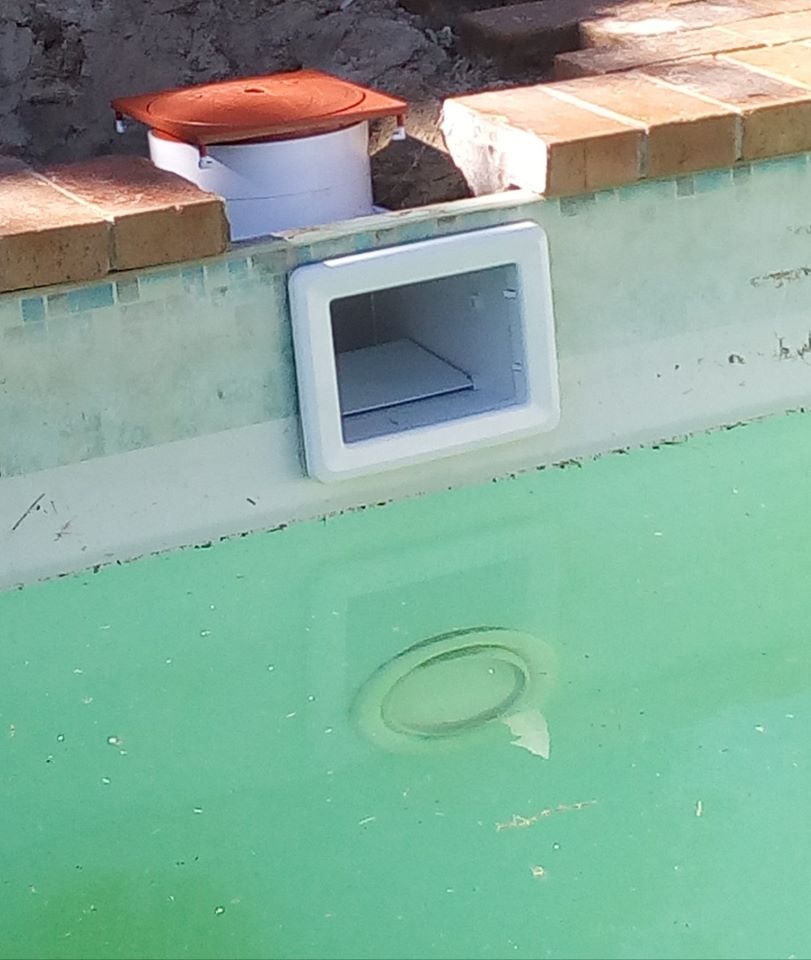
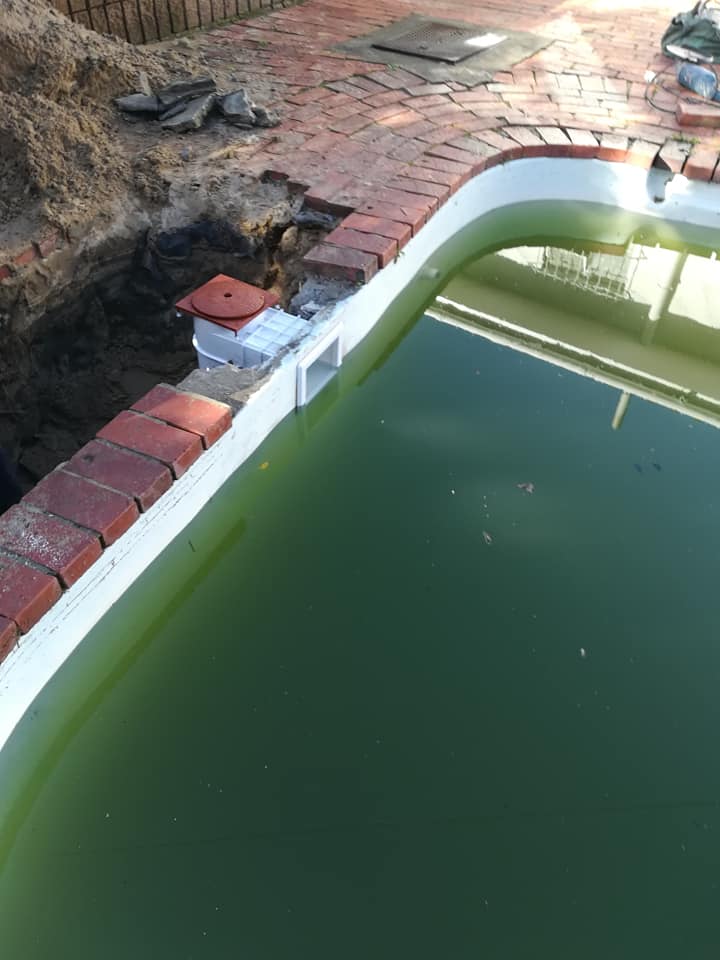
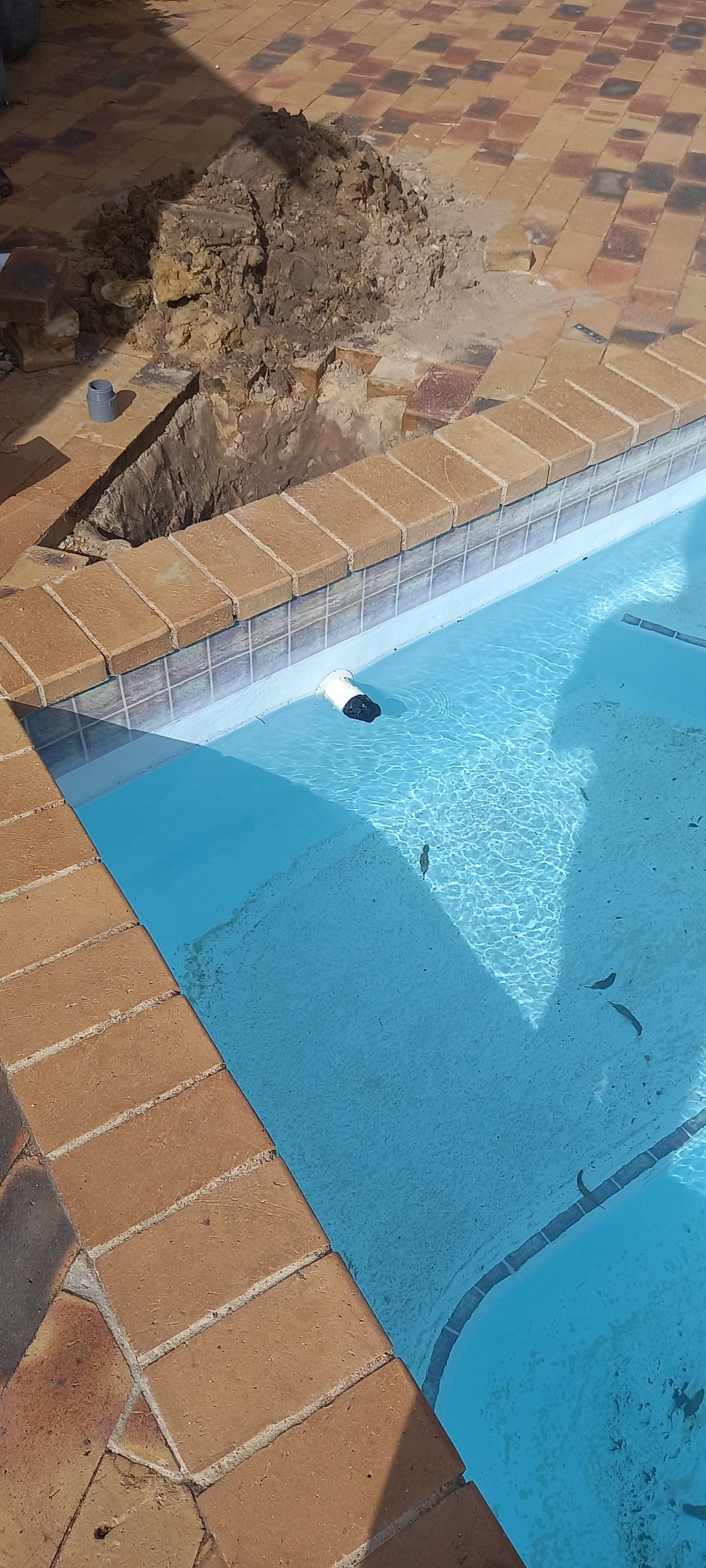
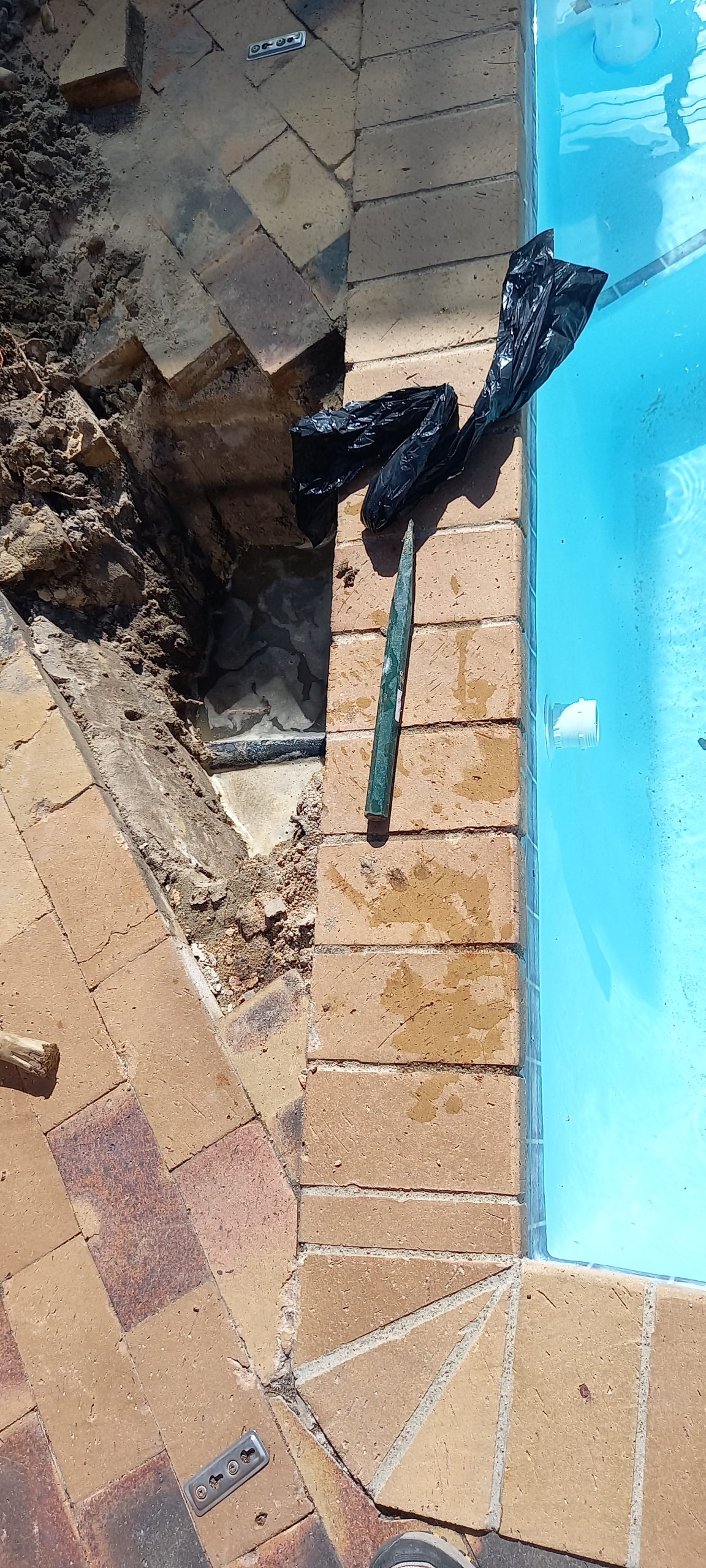
Pool leak repair involves identifying and fixing any leaks in the structure, plumbing, or equipment of a swimming pool. Leaks can occur in various areas, including the pool shell, plumbing lines, skimmers, or fittings, leading to water loss, increased chemical usage, and higher utility bills if left untreated.
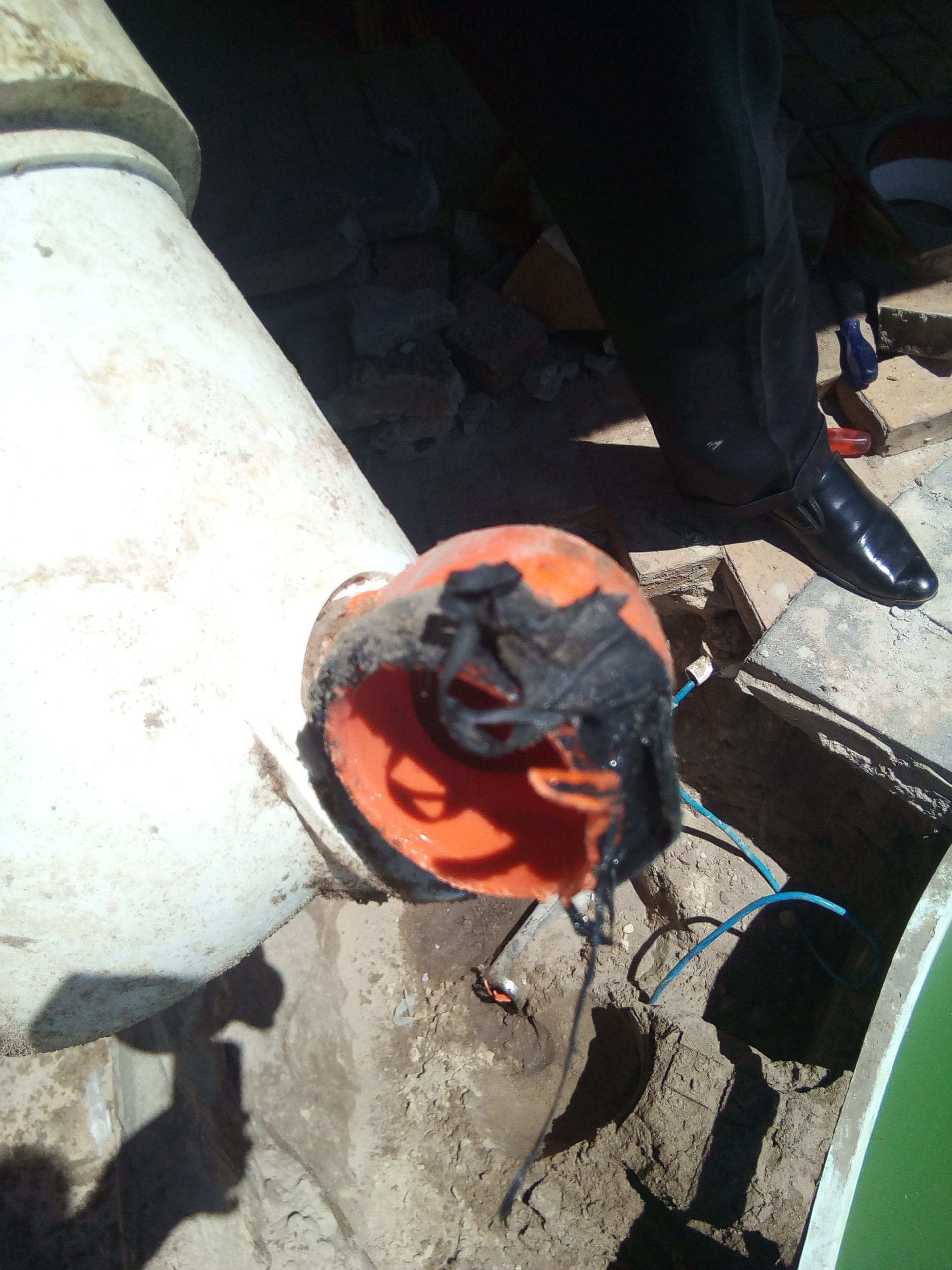
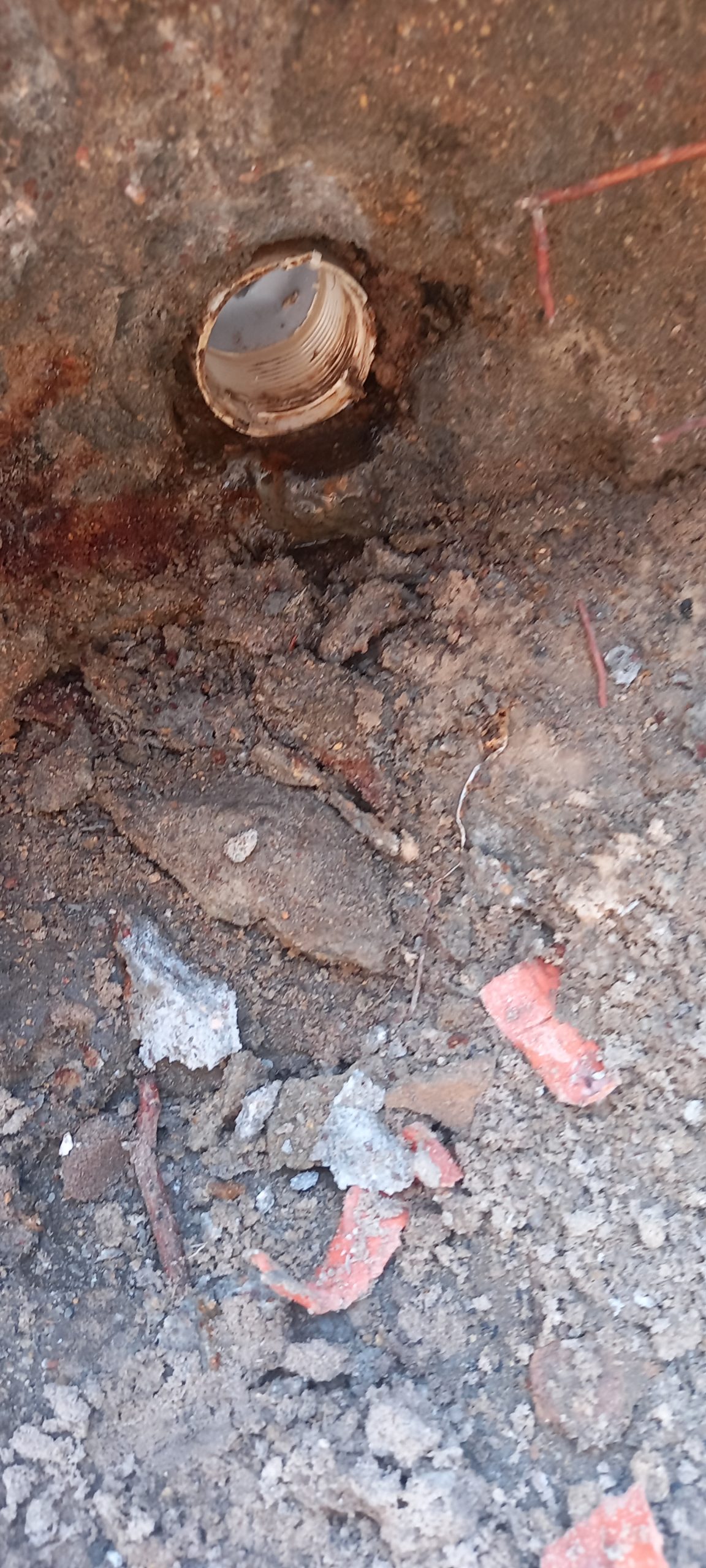
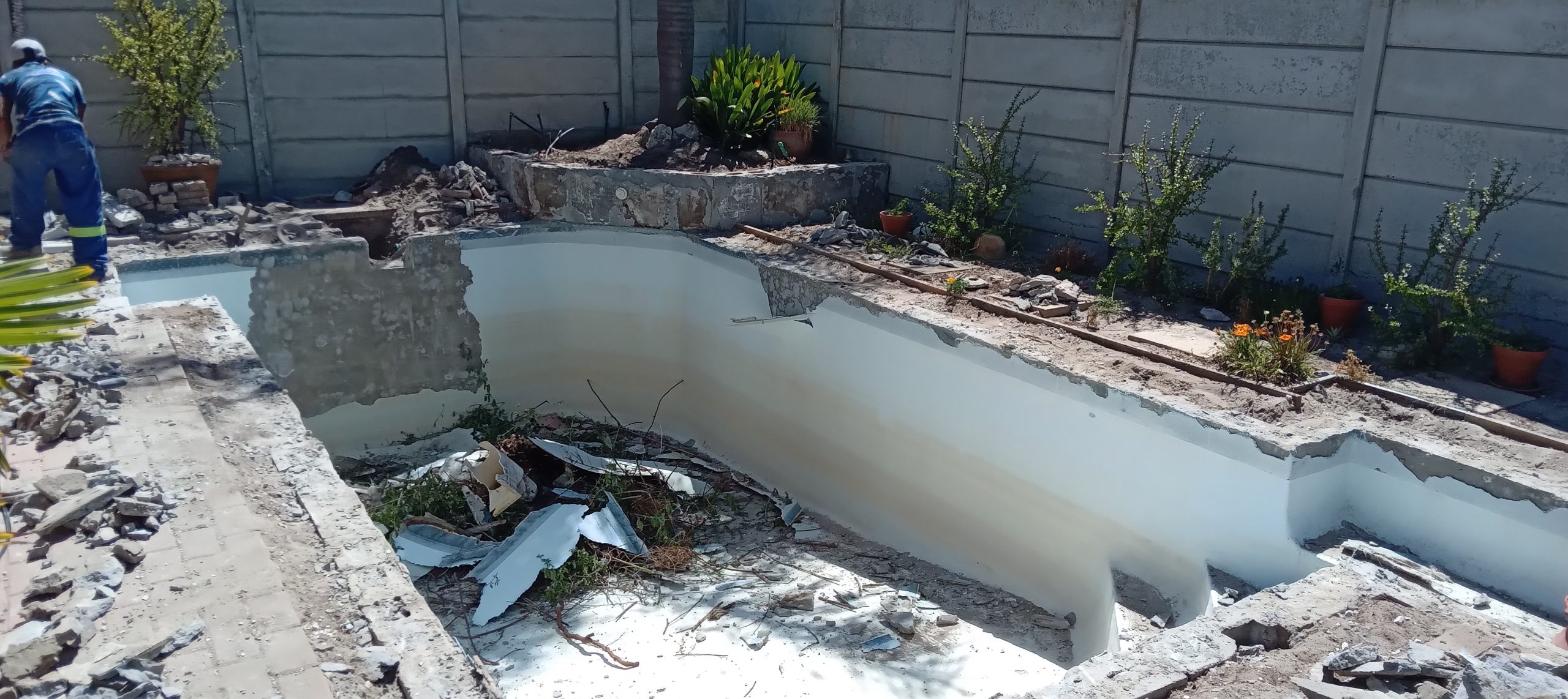
The repair process typically starts with a thorough inspection to pinpoint the exact location of the leak. This may involve pressure testing the plumbing, using specialized dye tests, or employing electronic leak detection equipment. Once the source is found, the appropriate repair method is applied. For minor leaks in the pool surface, patching with waterproof sealants or epoxy may suffice. In more severe cases, cracks in the pool shell may require resurfacing, replastering, or fibrelining. Leaks in the plumbing system may involve replacing damaged pipes or fittings.
Prompt pool leak repair is essential not only to conserve water but also to prevent further damage to the pool structure and surrounding areas. With professional repair services, most leaks can be resolved effectively, ensuring your pool remains watertight and operational for years to come.
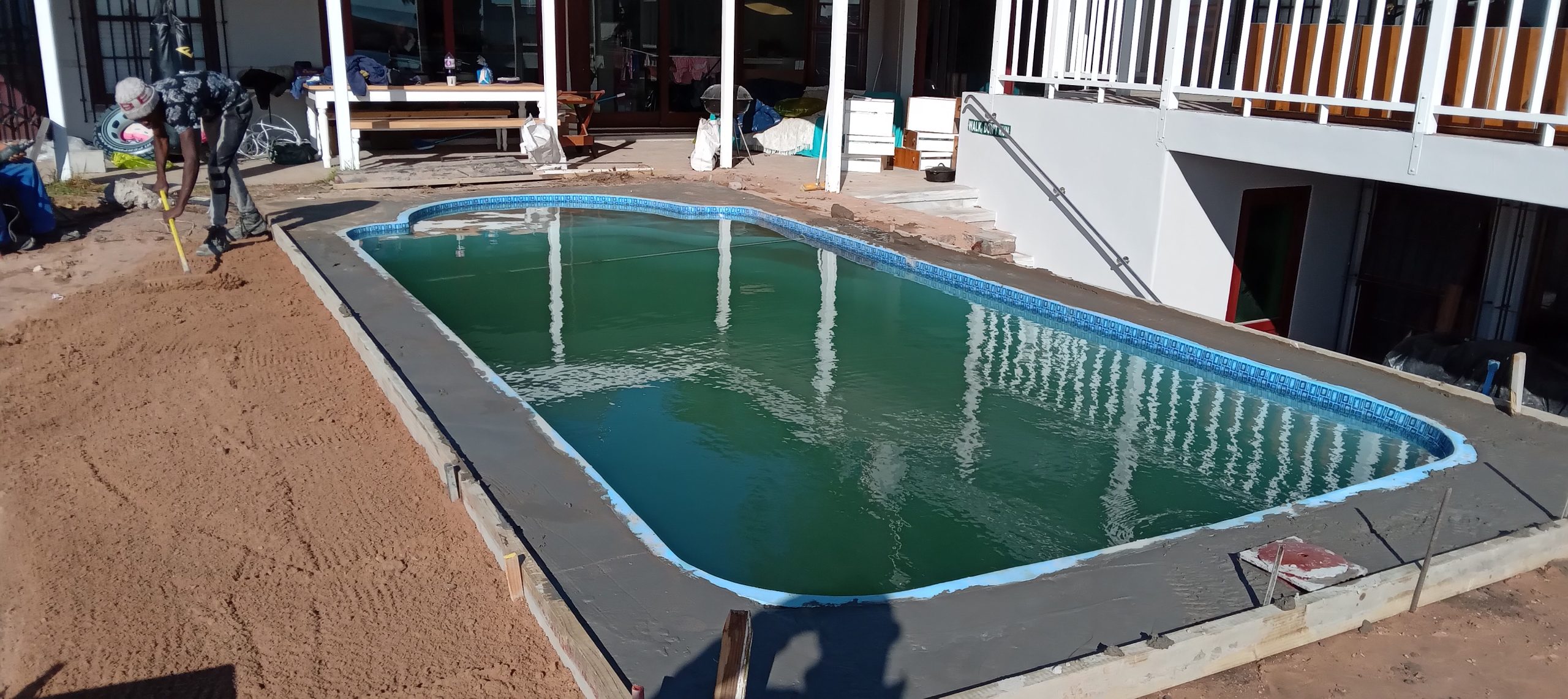
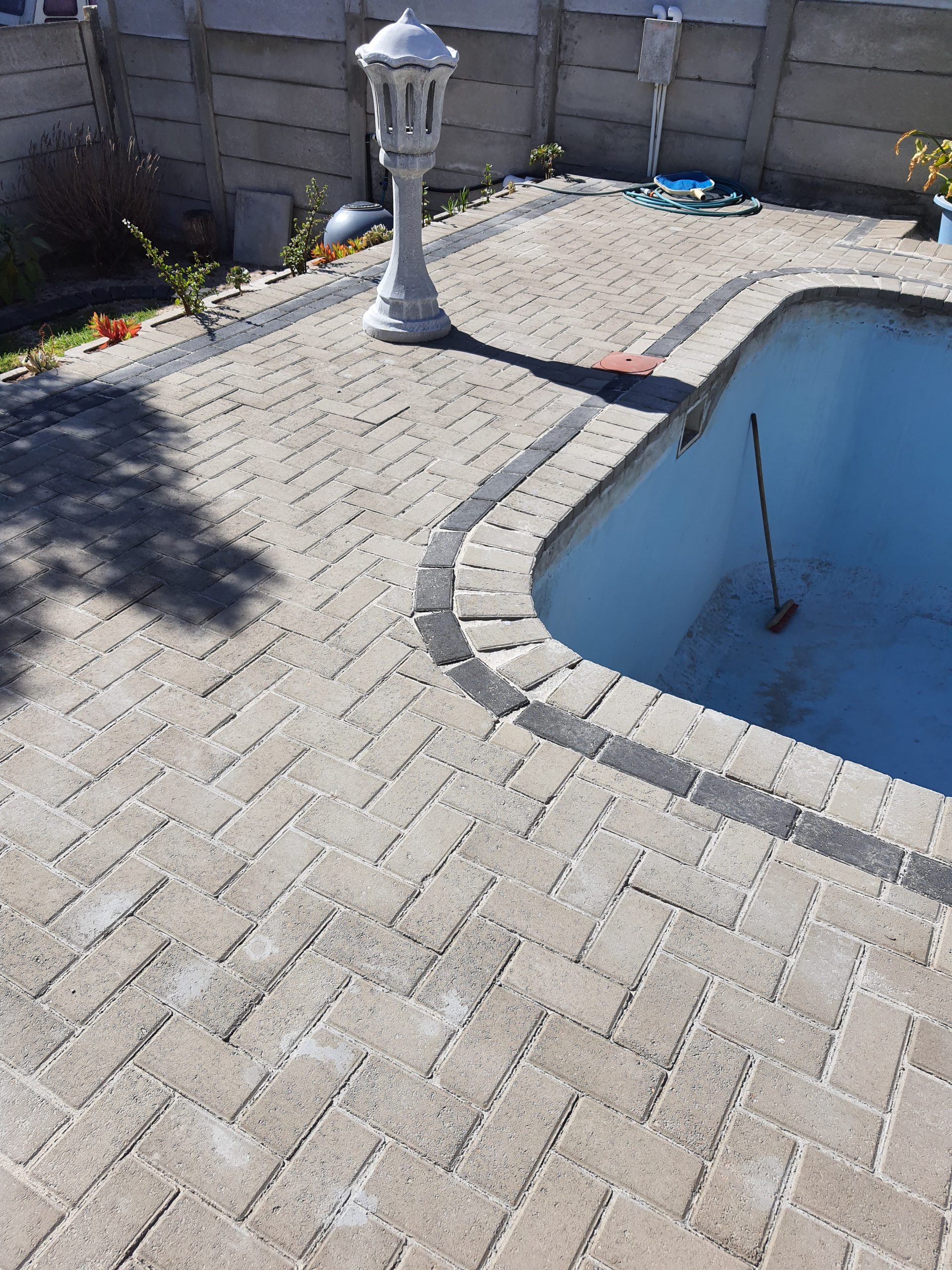
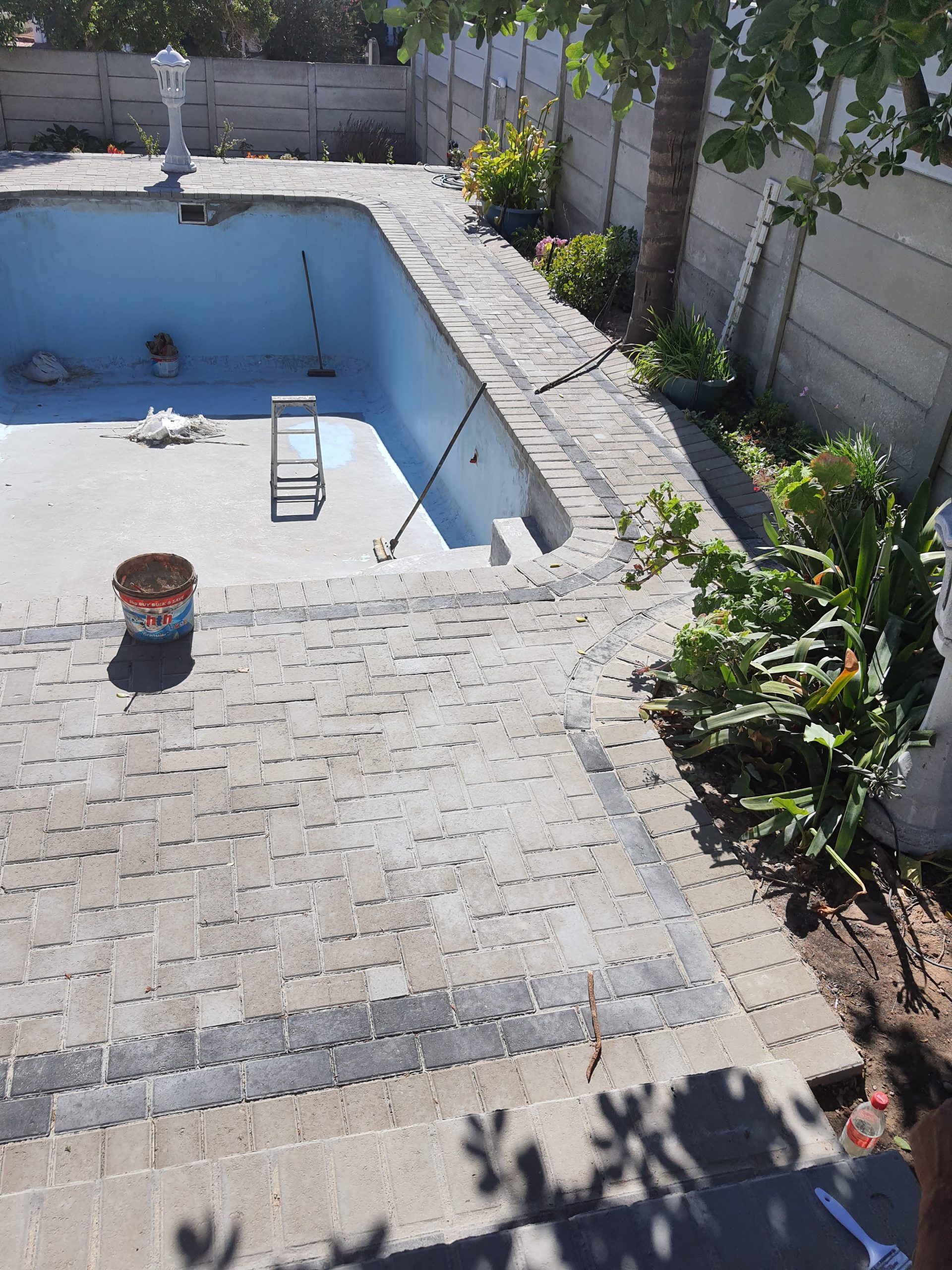
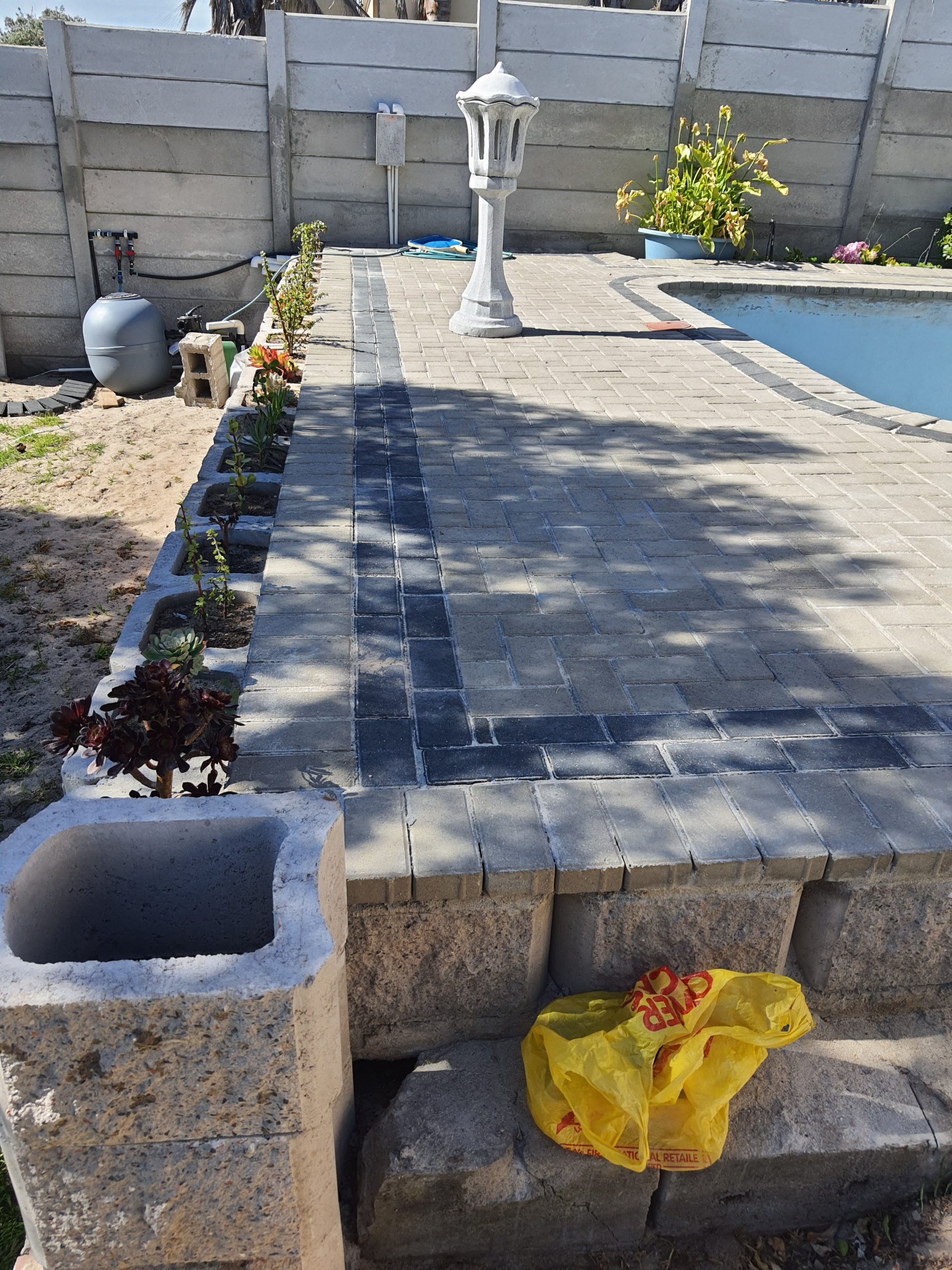
Pool Coping & Paving
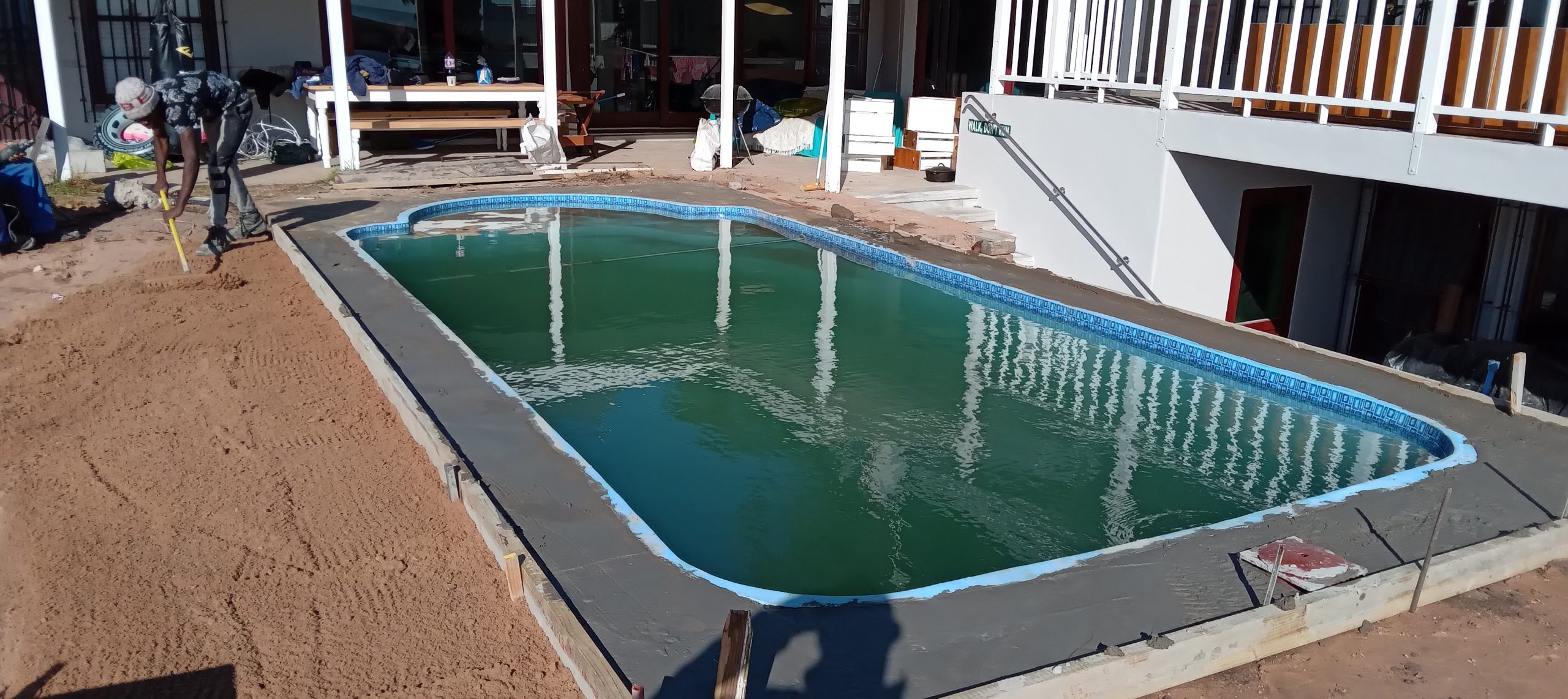
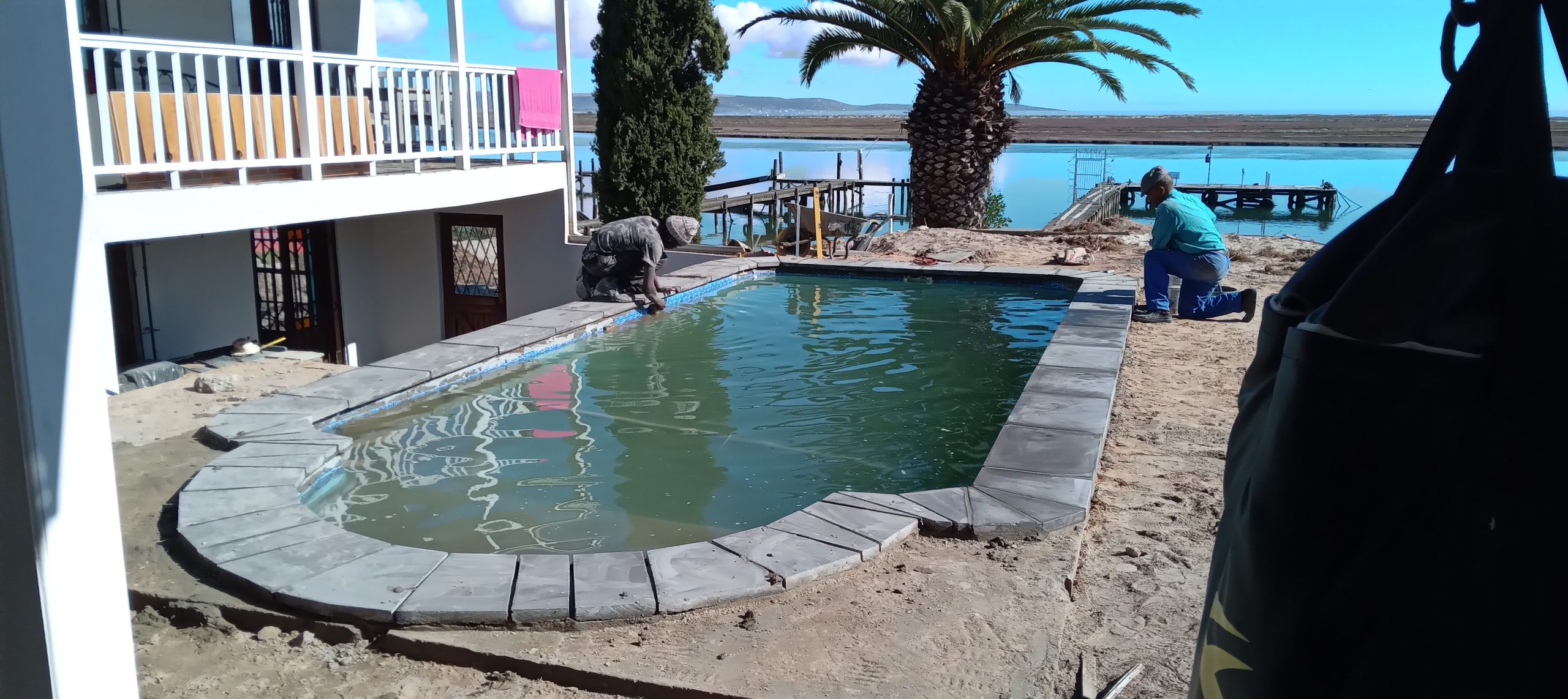
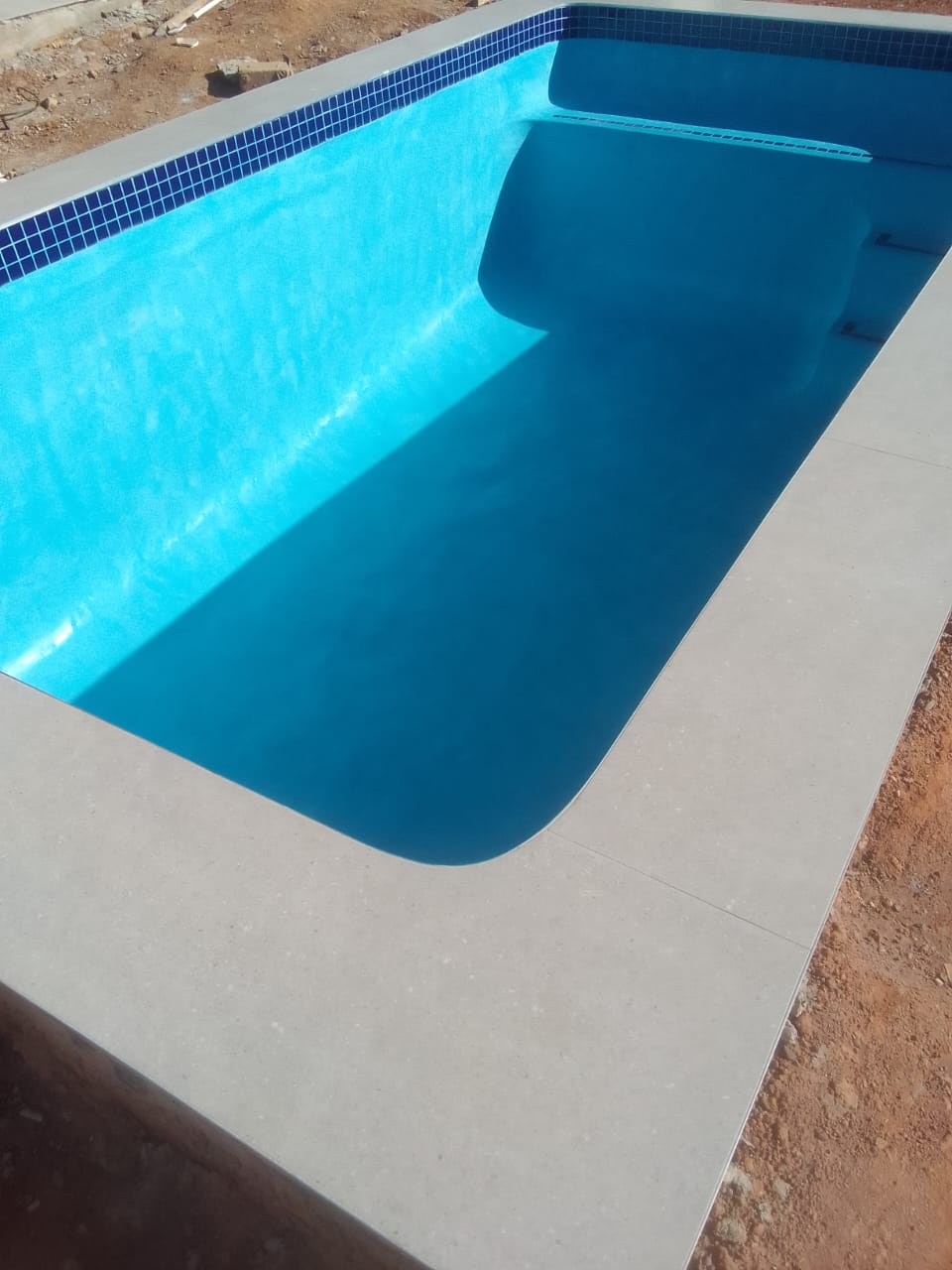
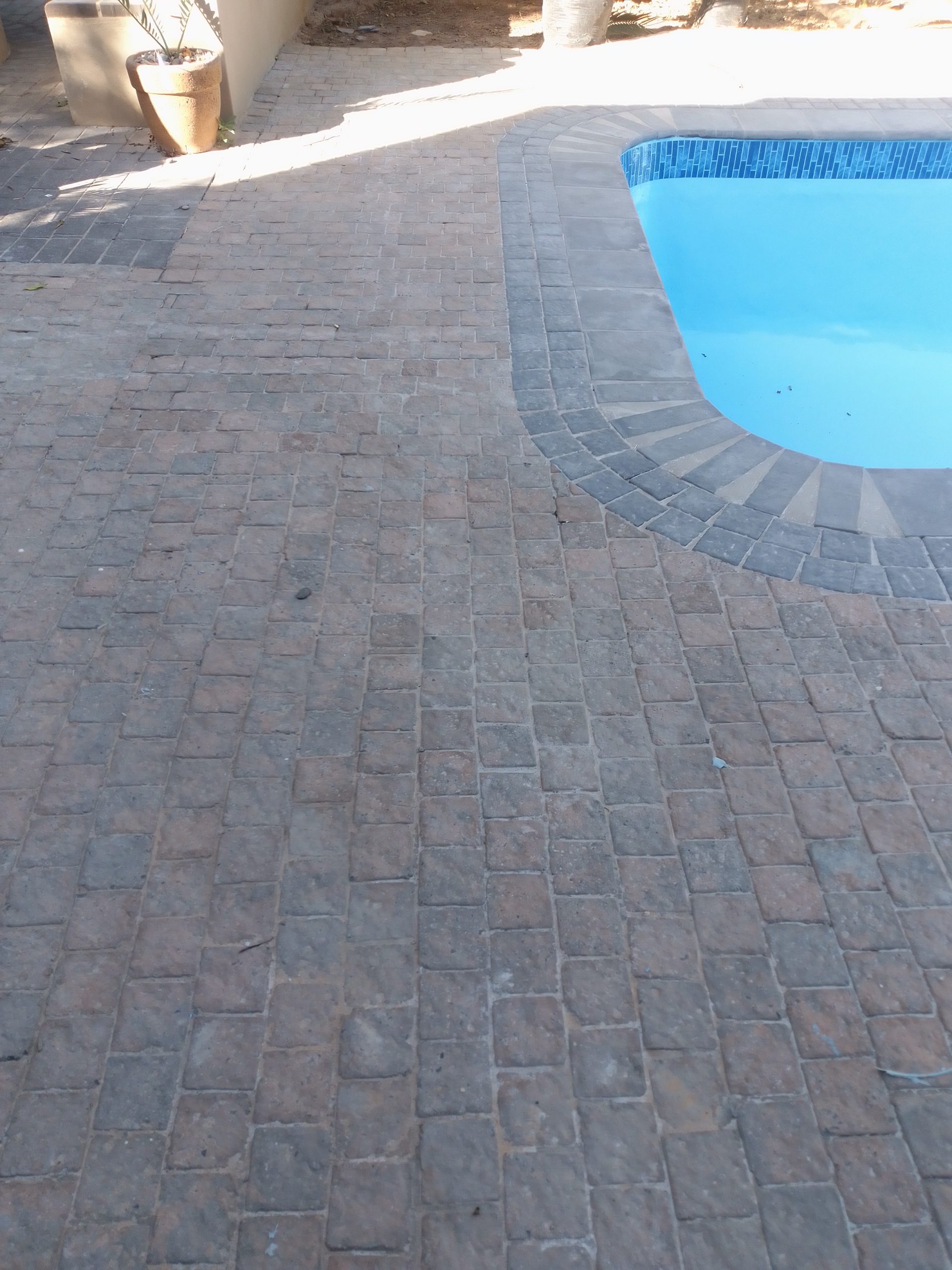
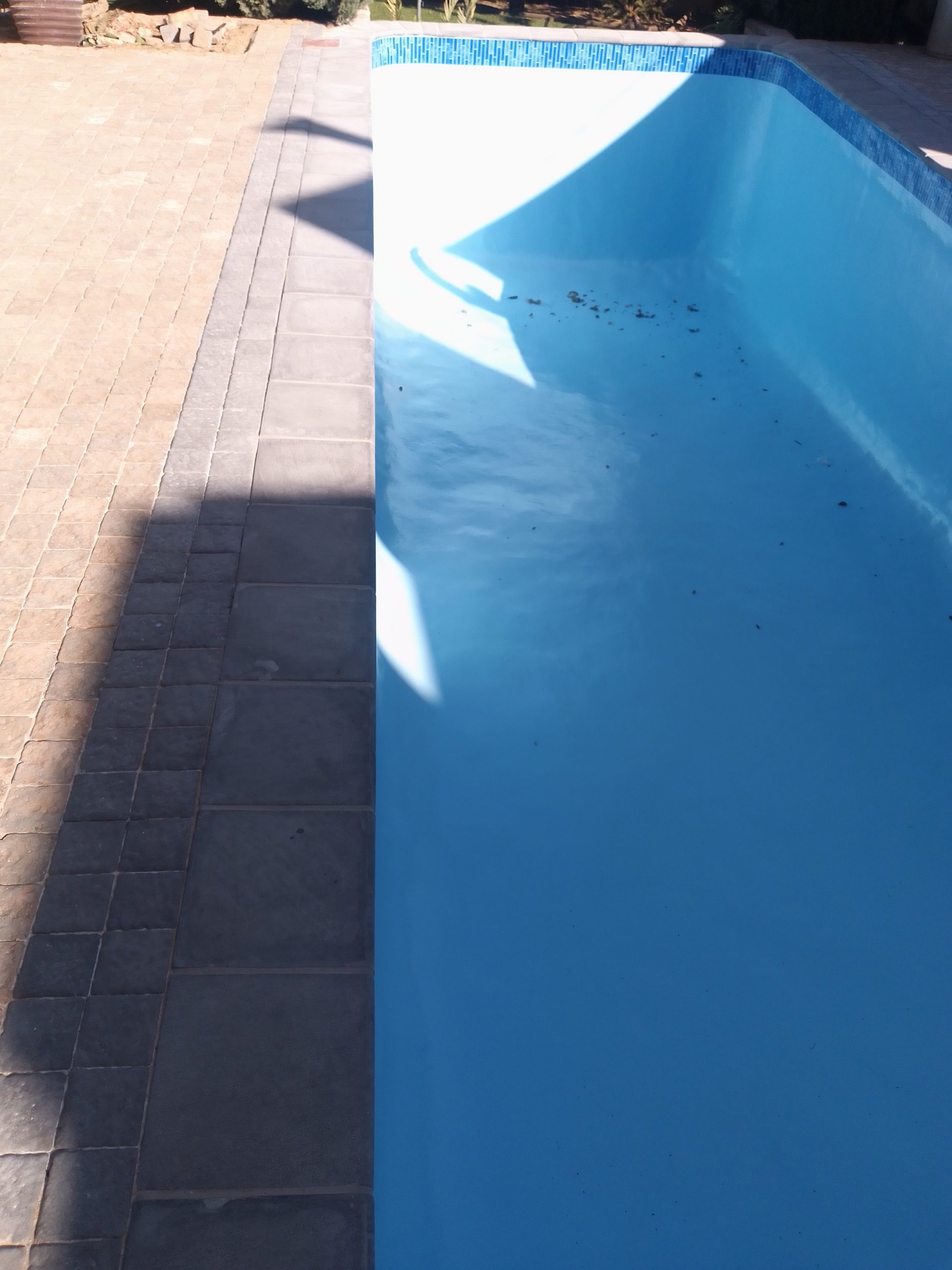
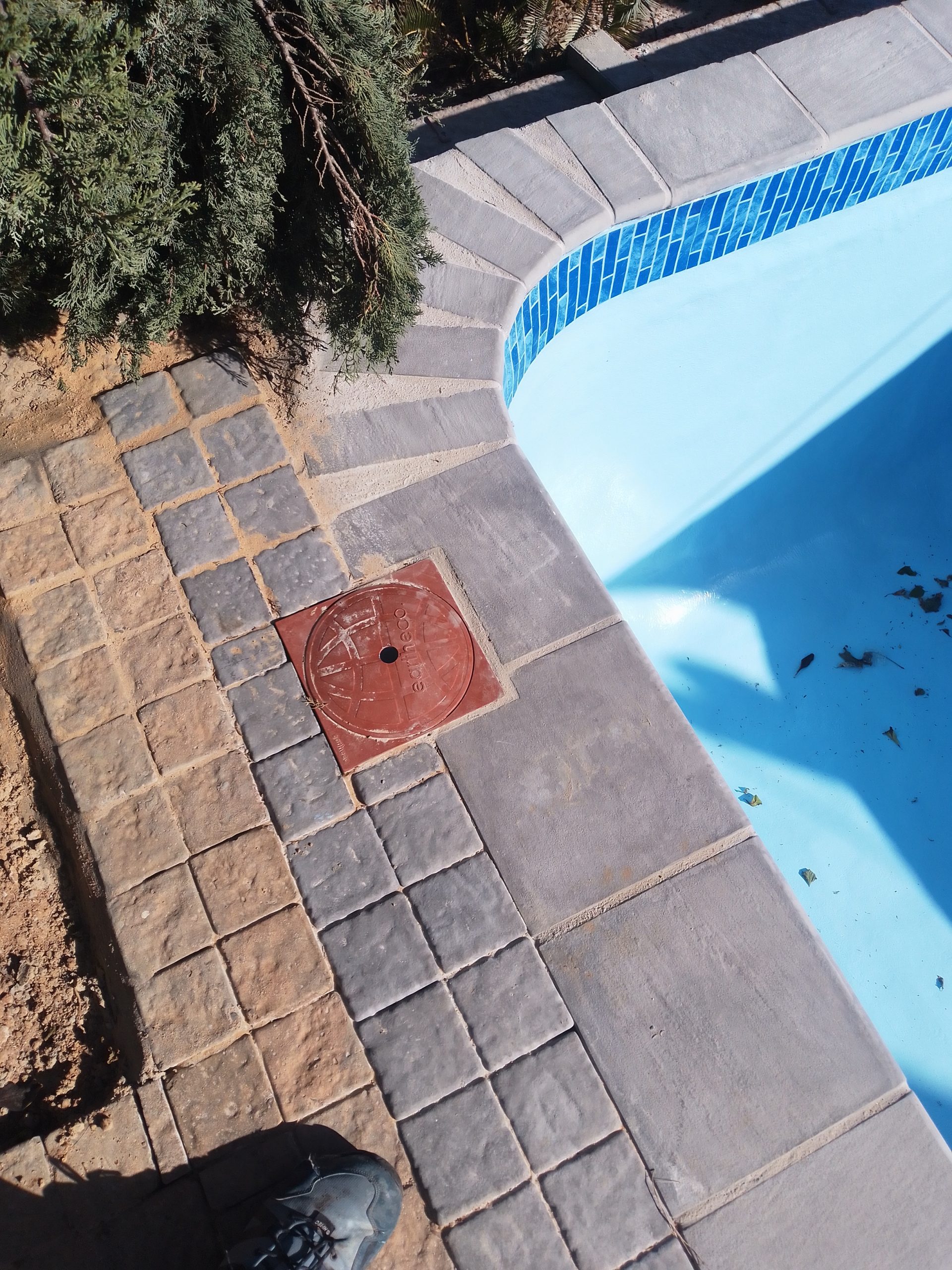
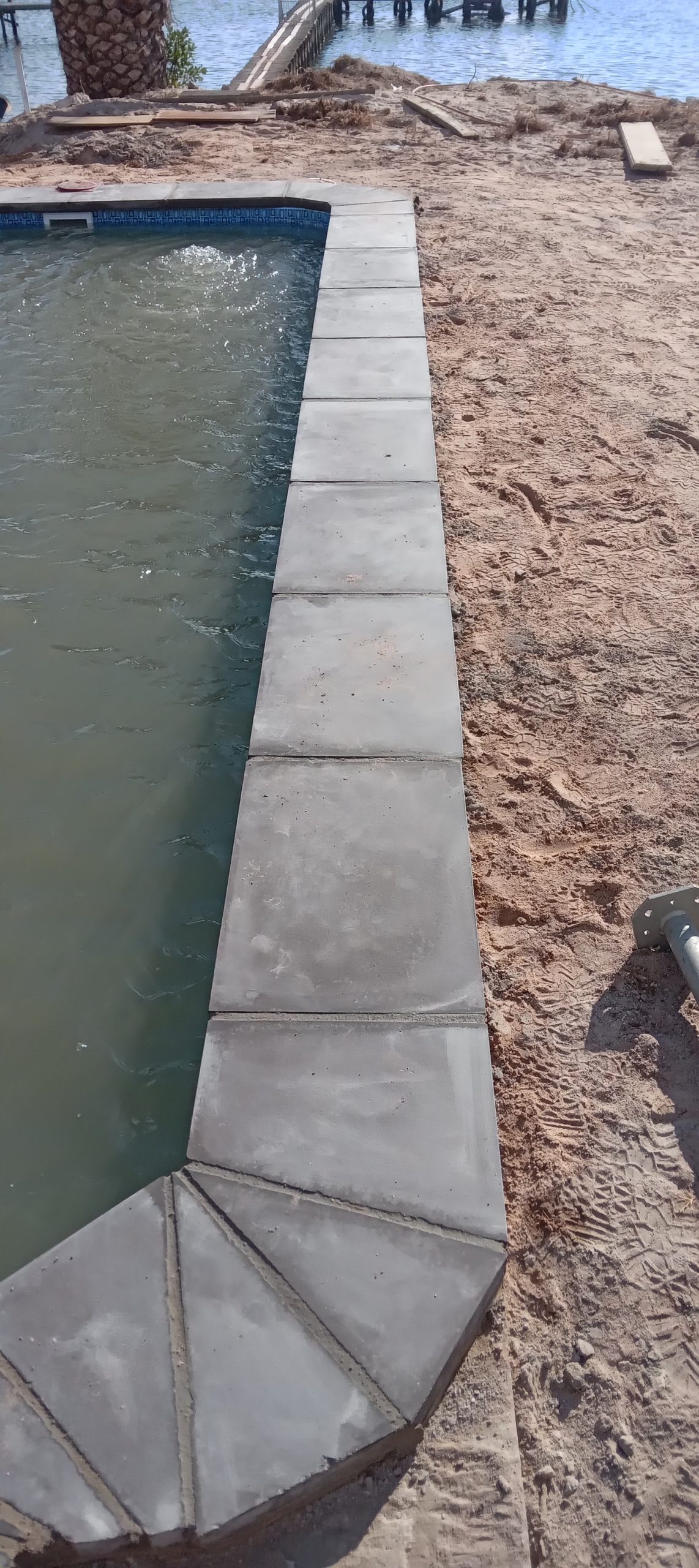
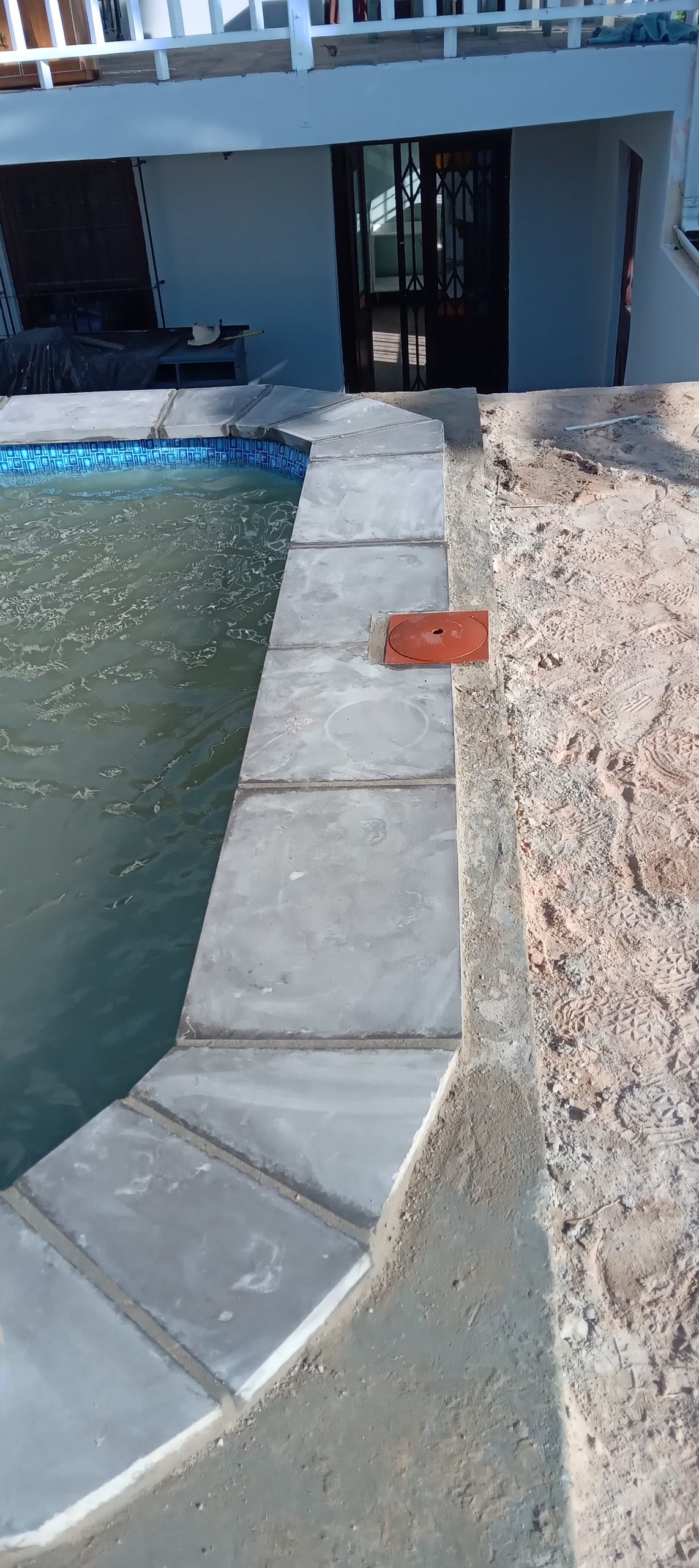
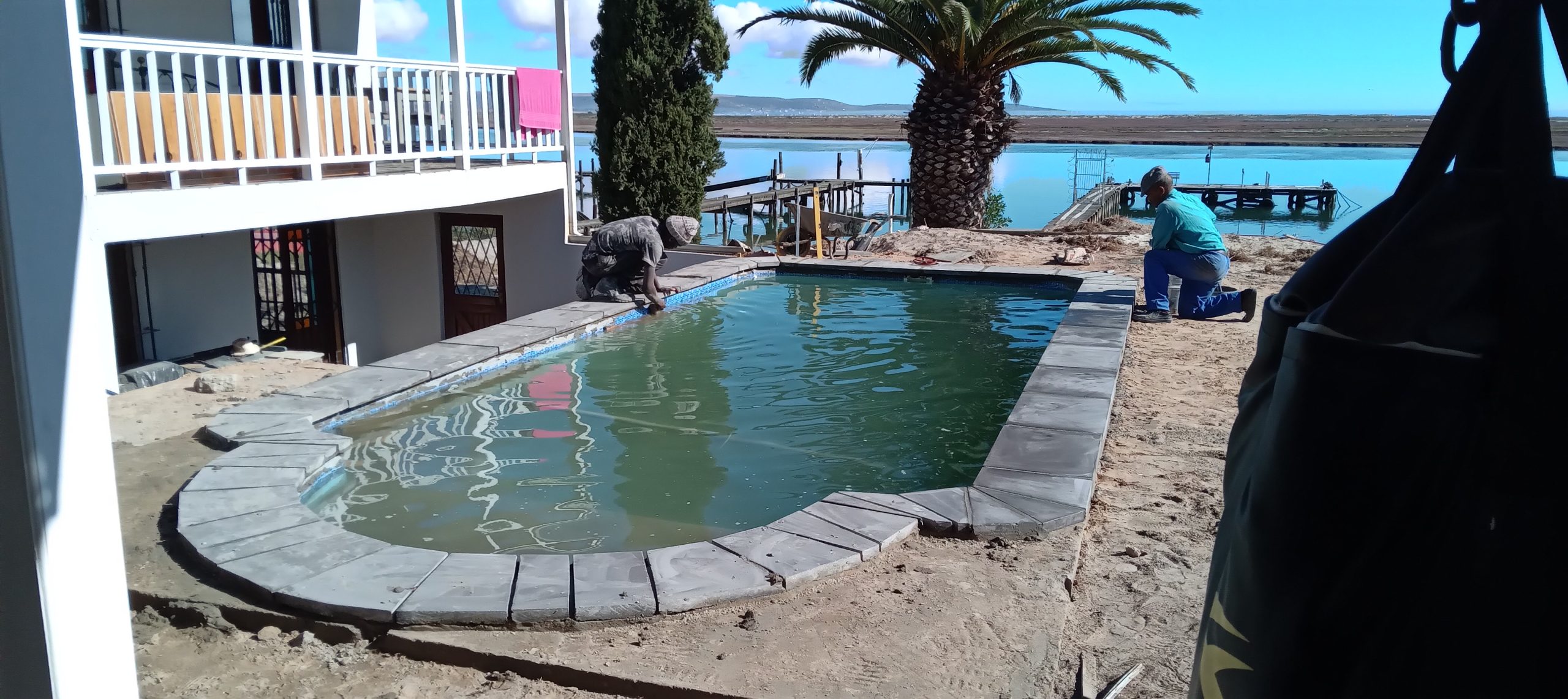
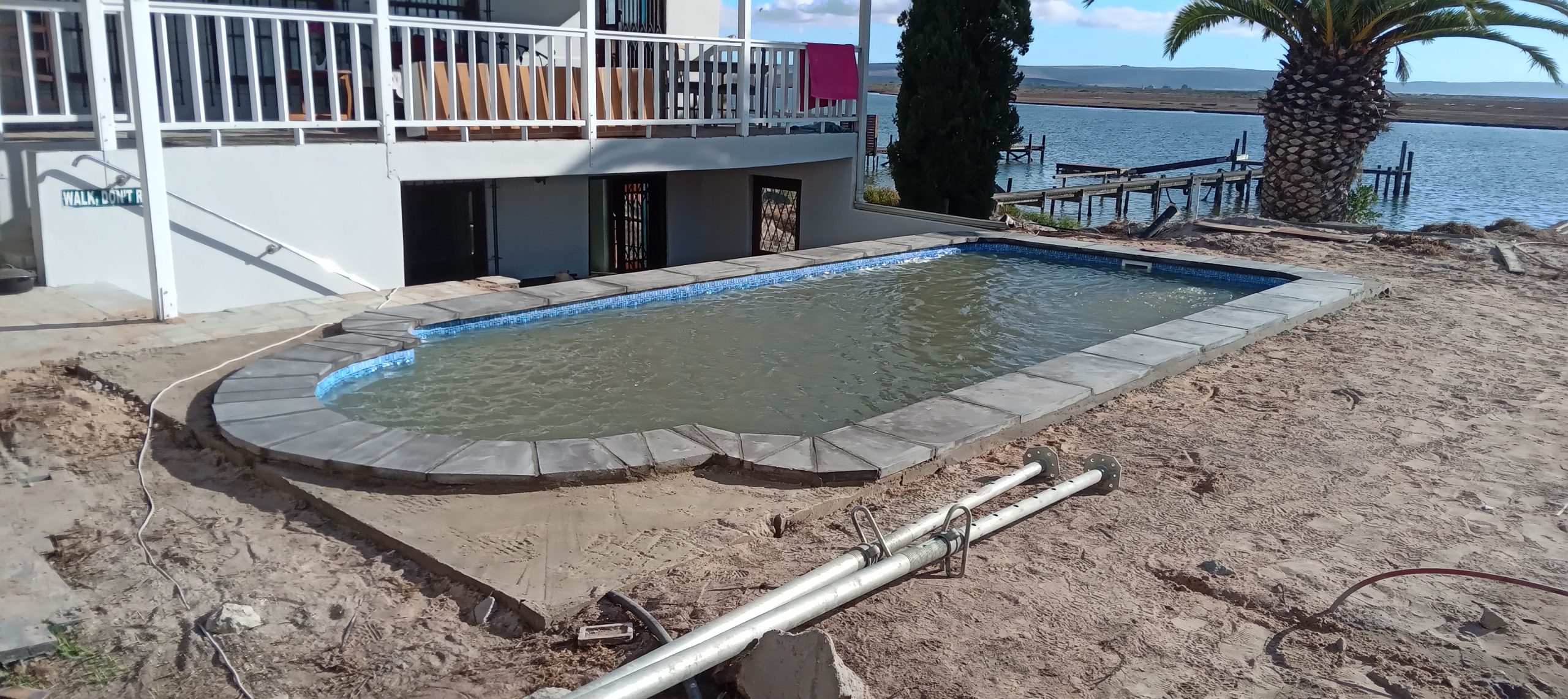
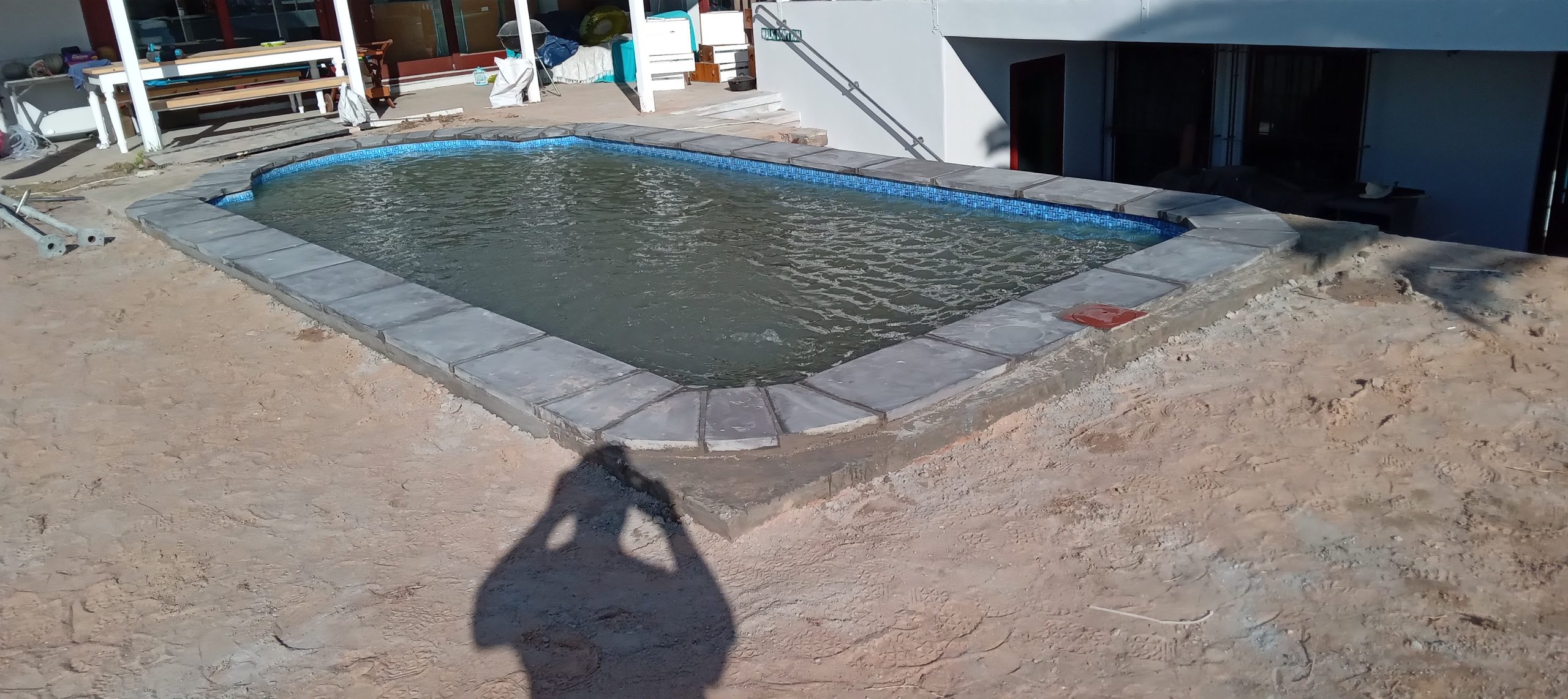
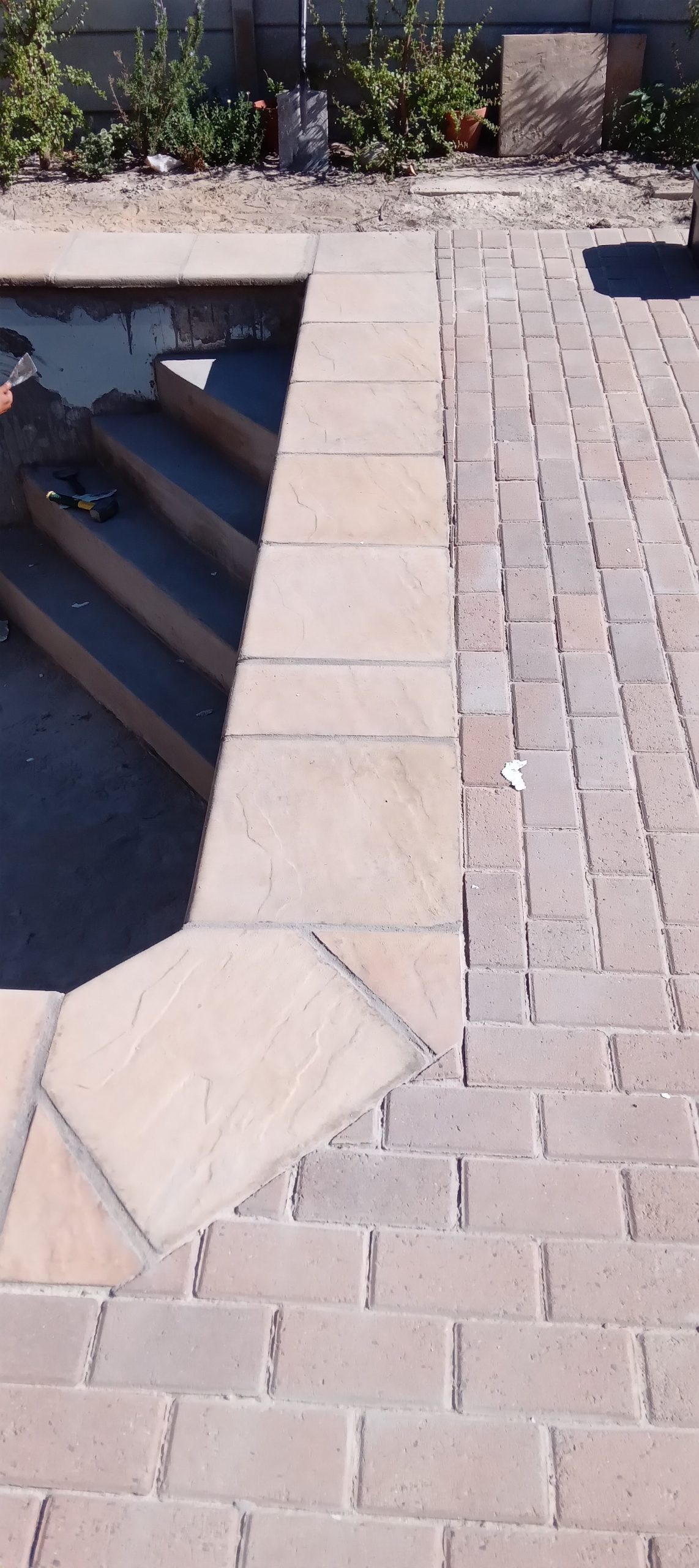
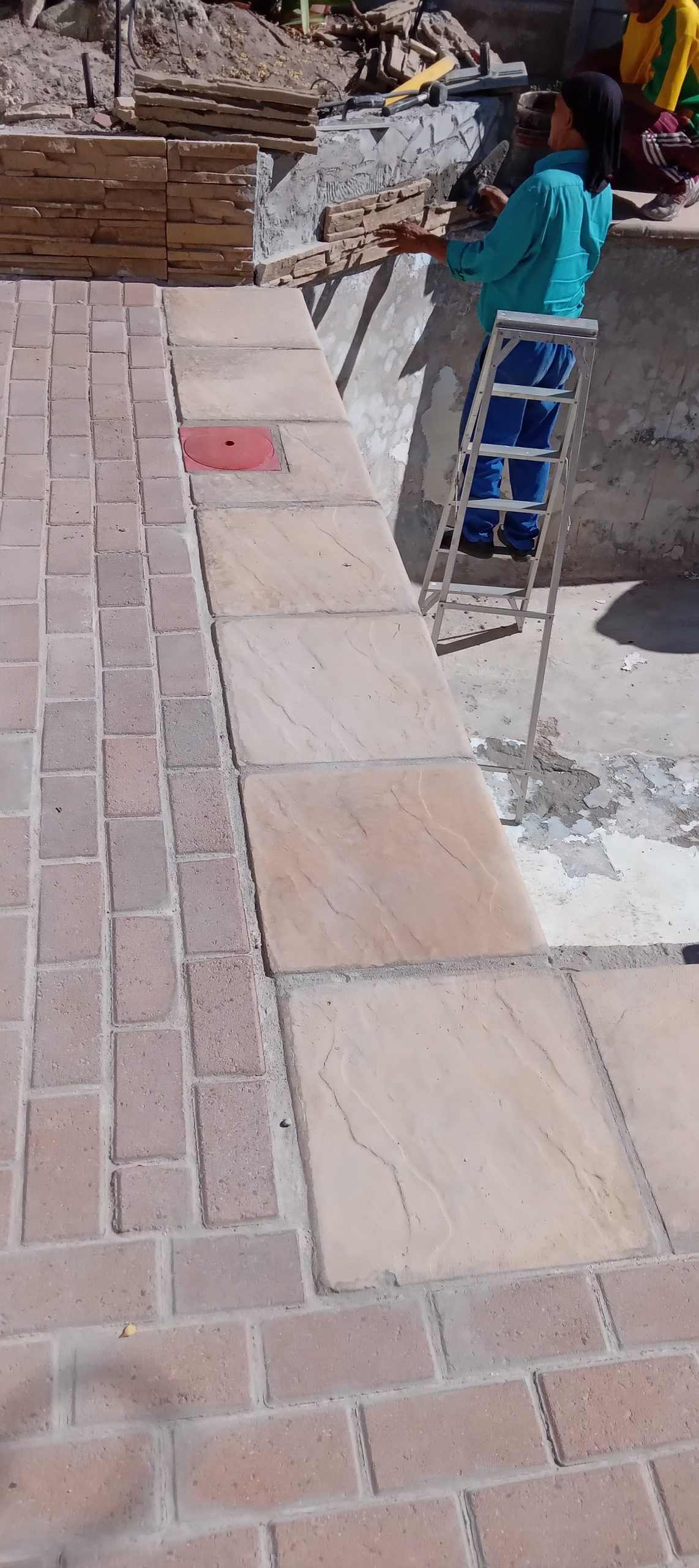
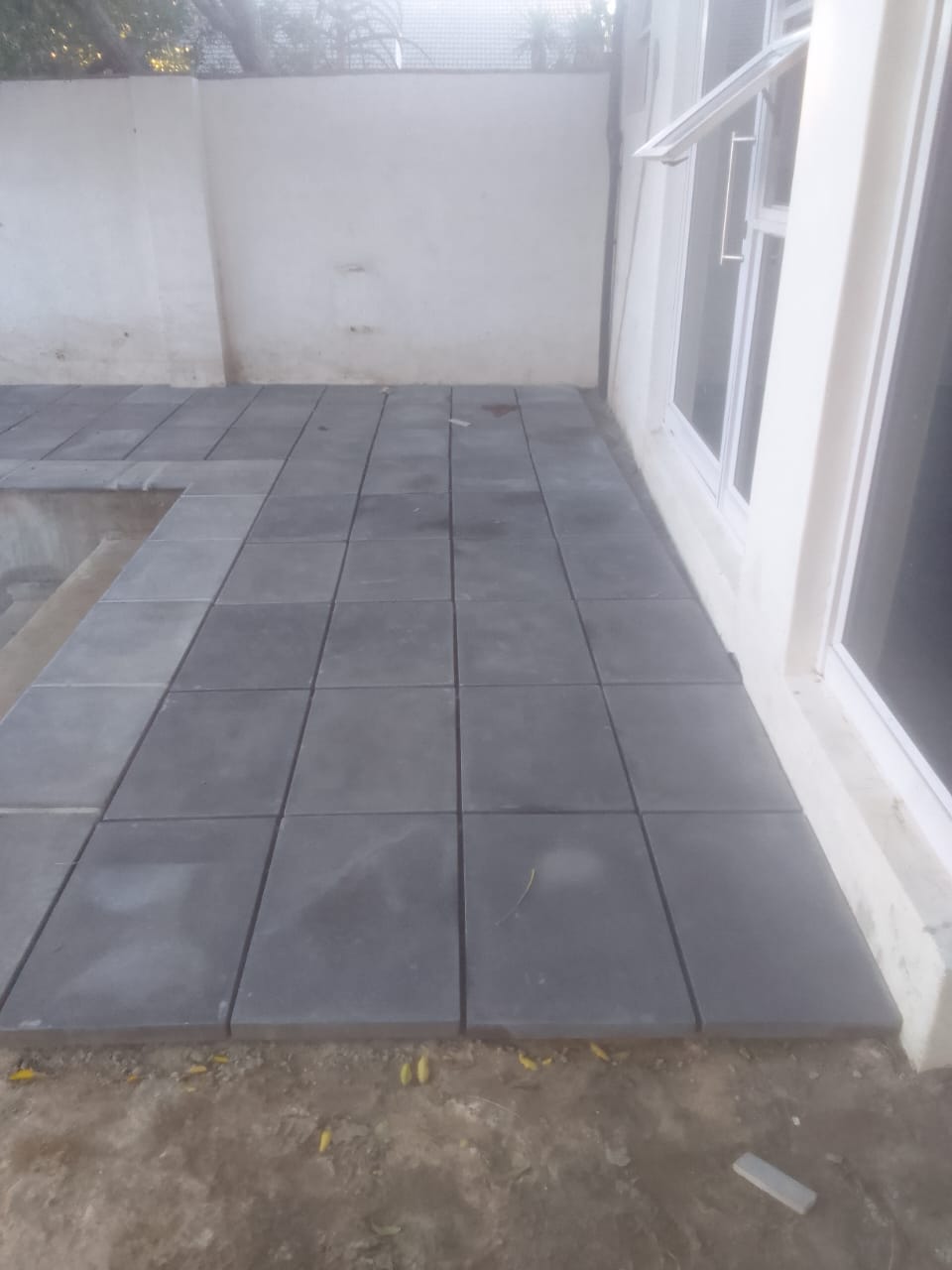
Coping and Paving are essential elements in pool design and construction, providing both functional and aesthetic benefits.
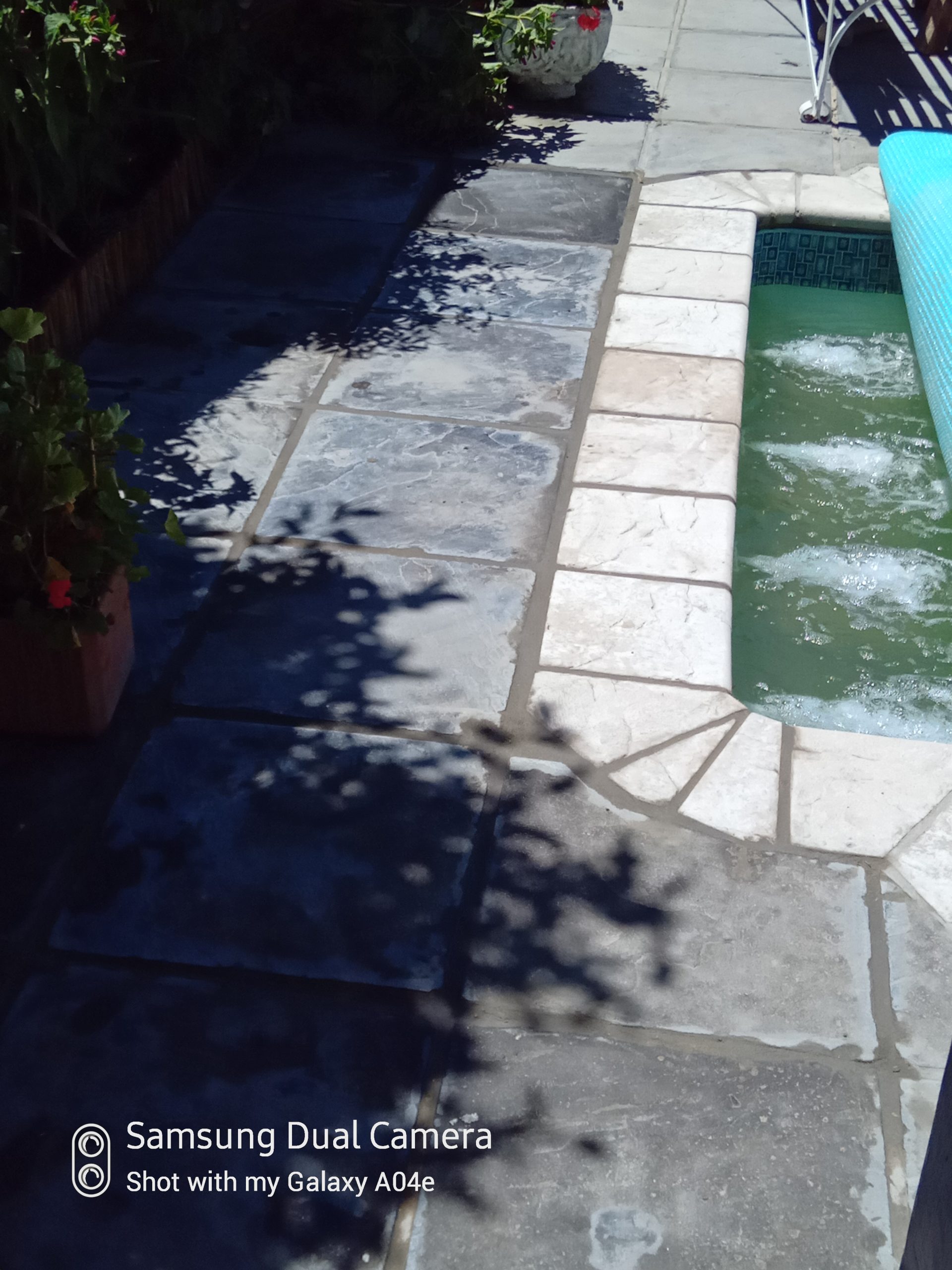
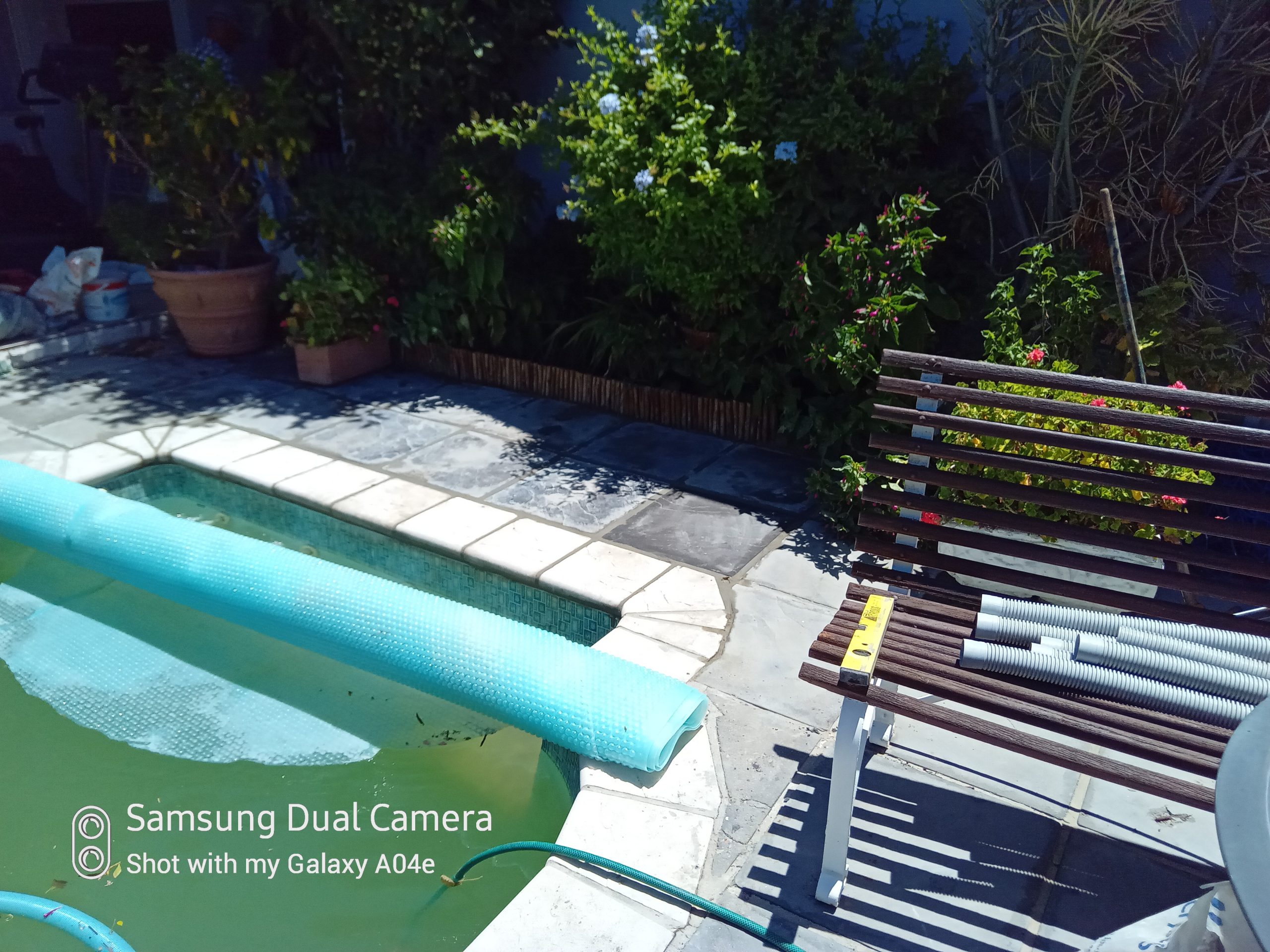
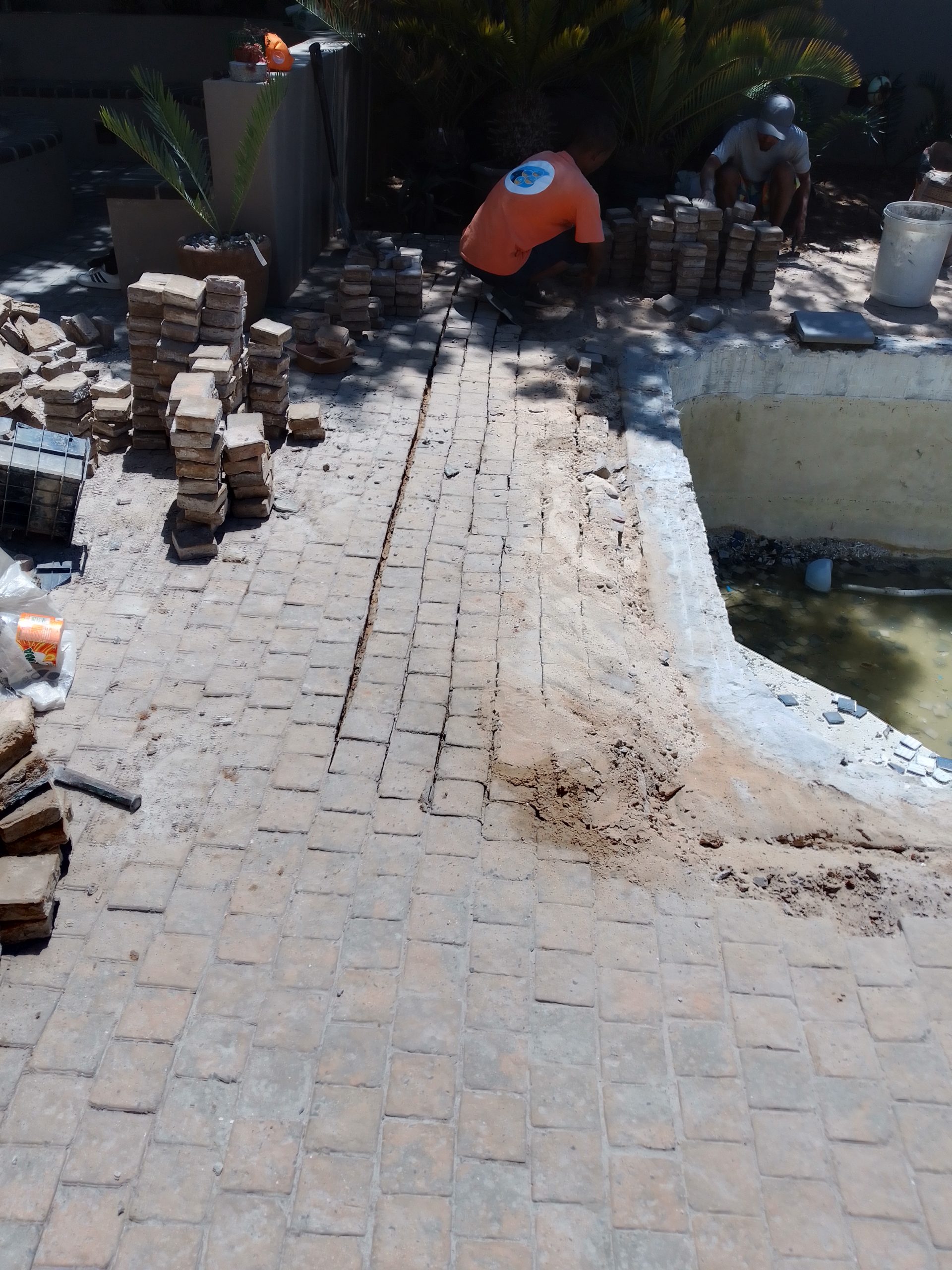
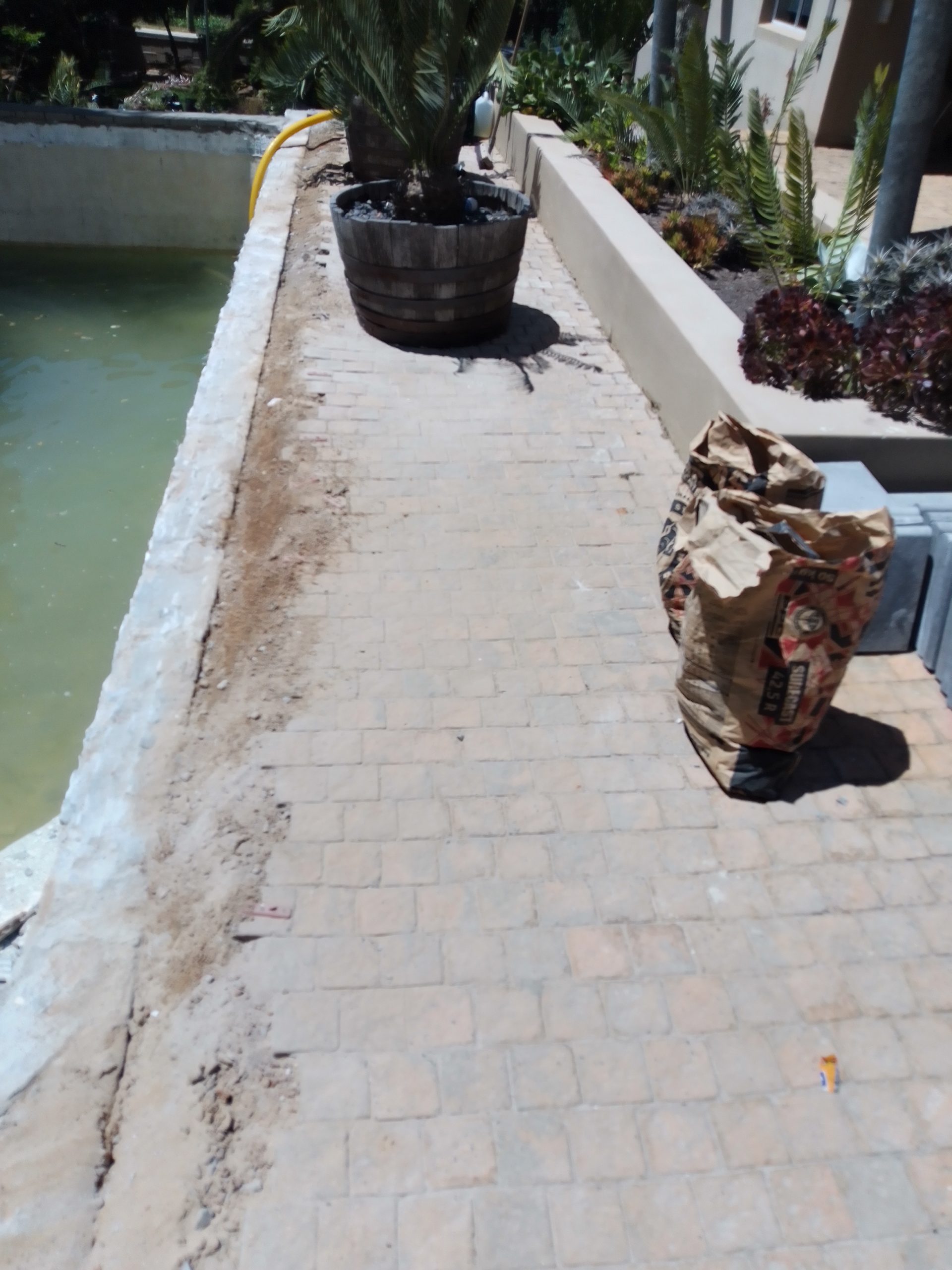
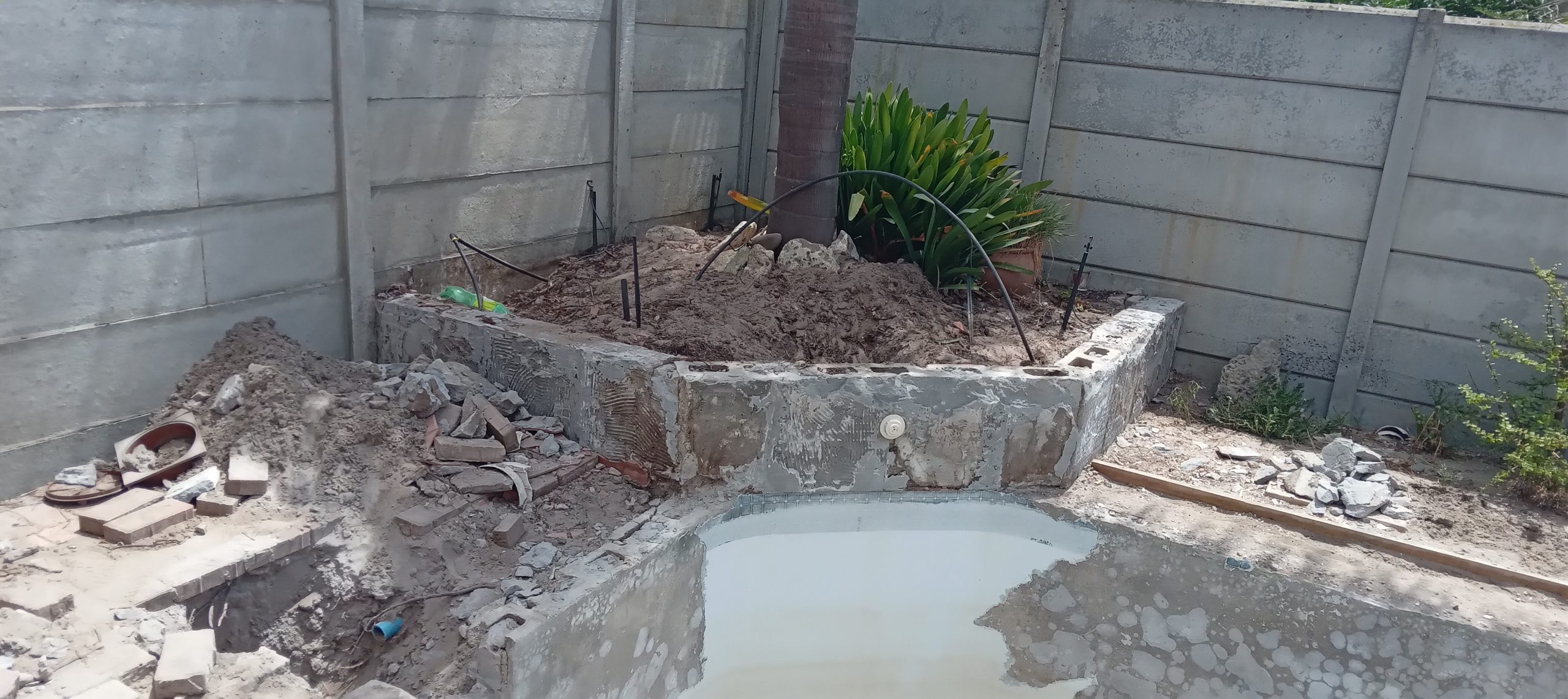
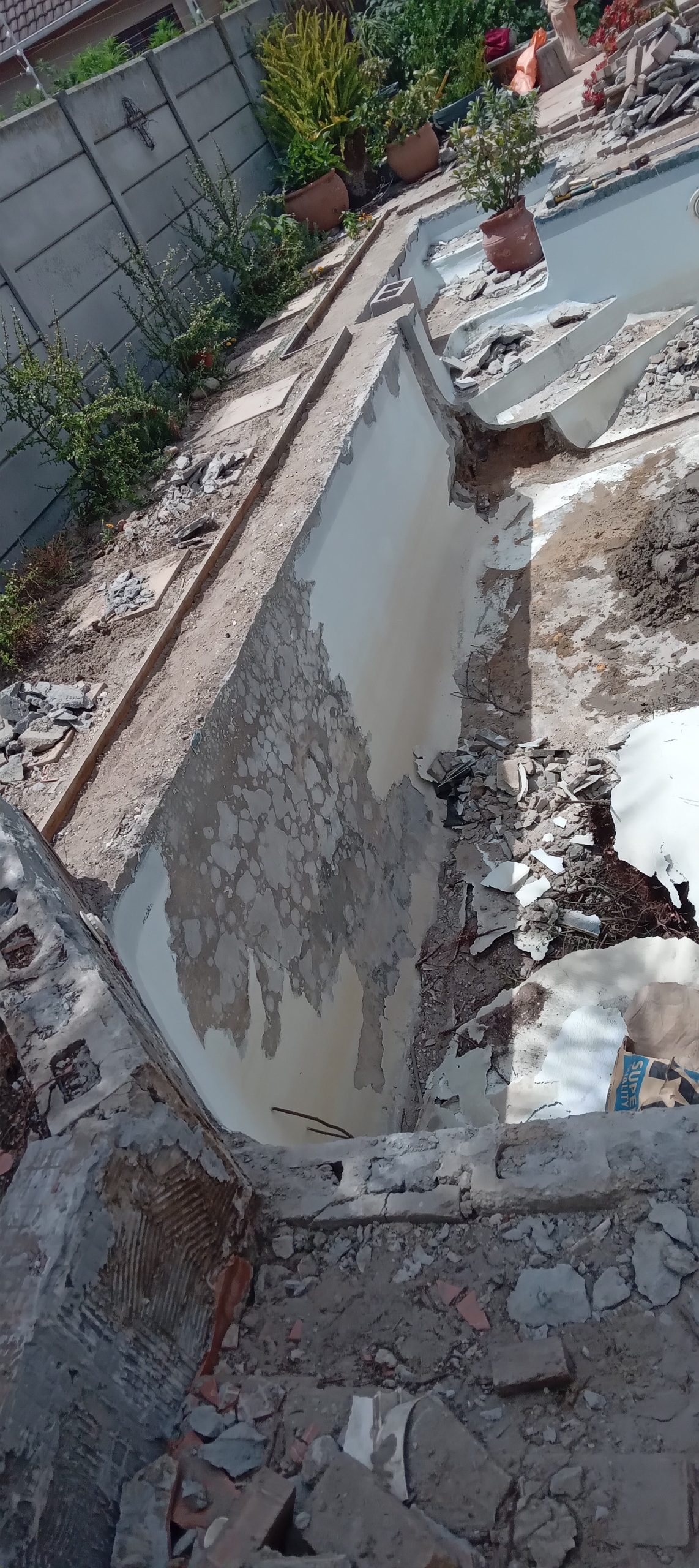
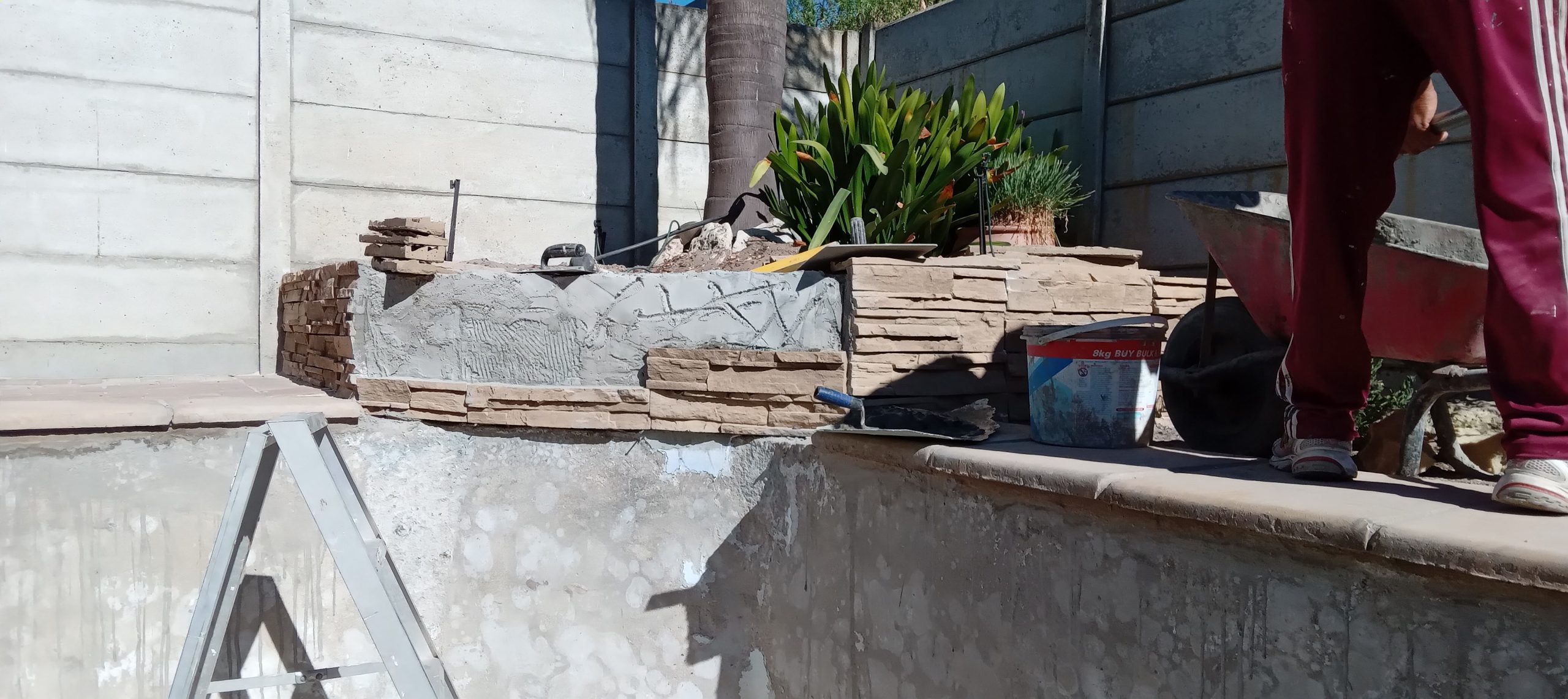
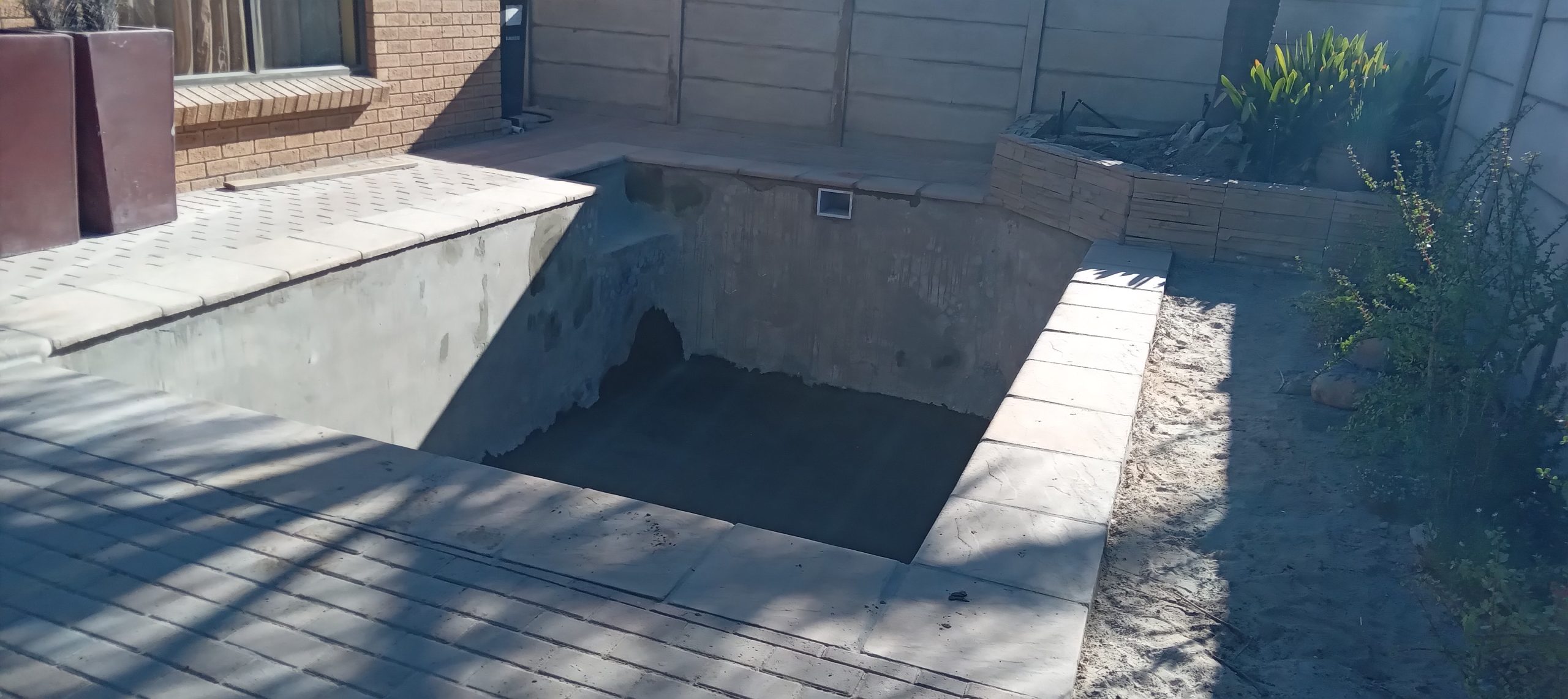
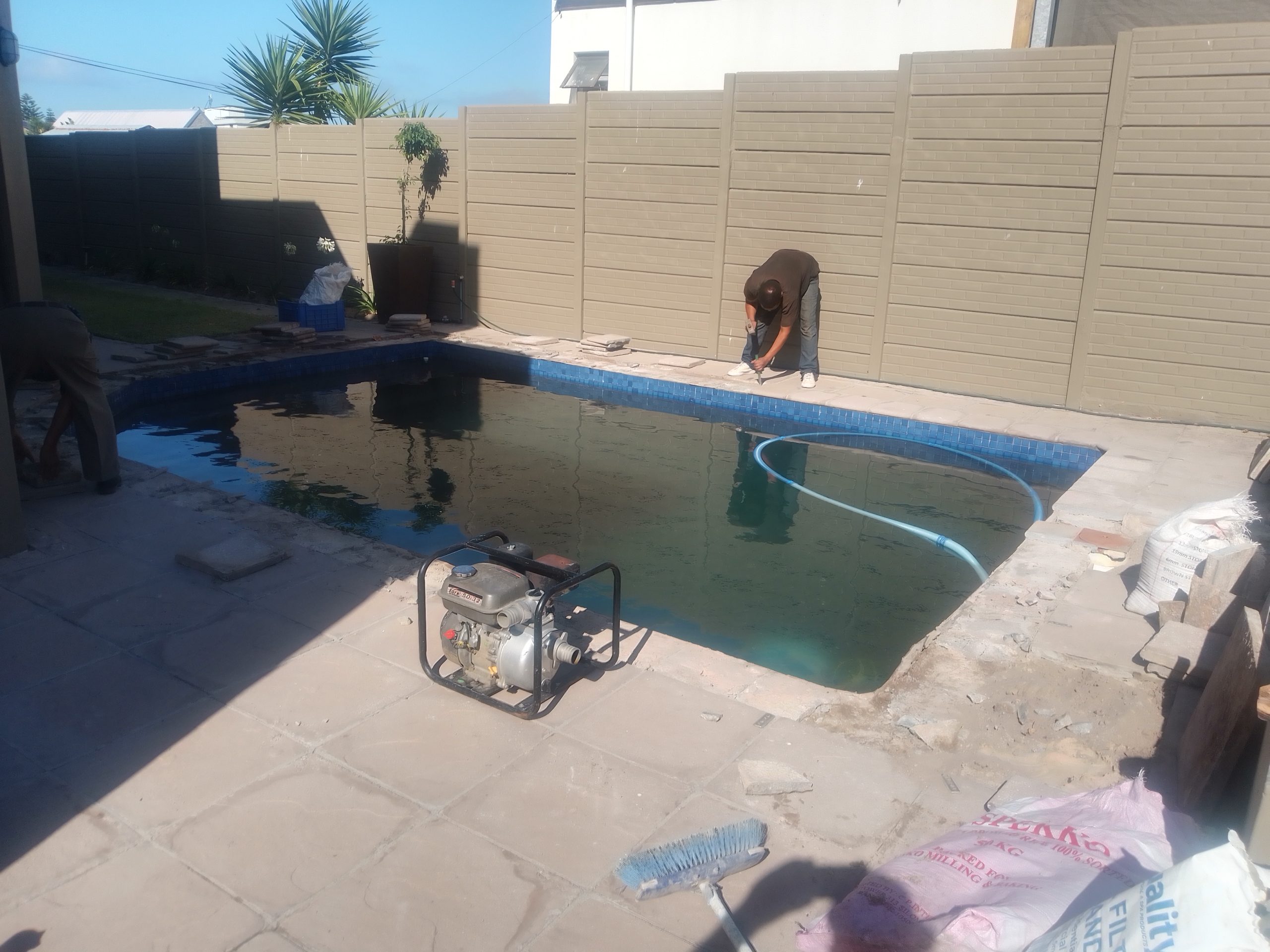
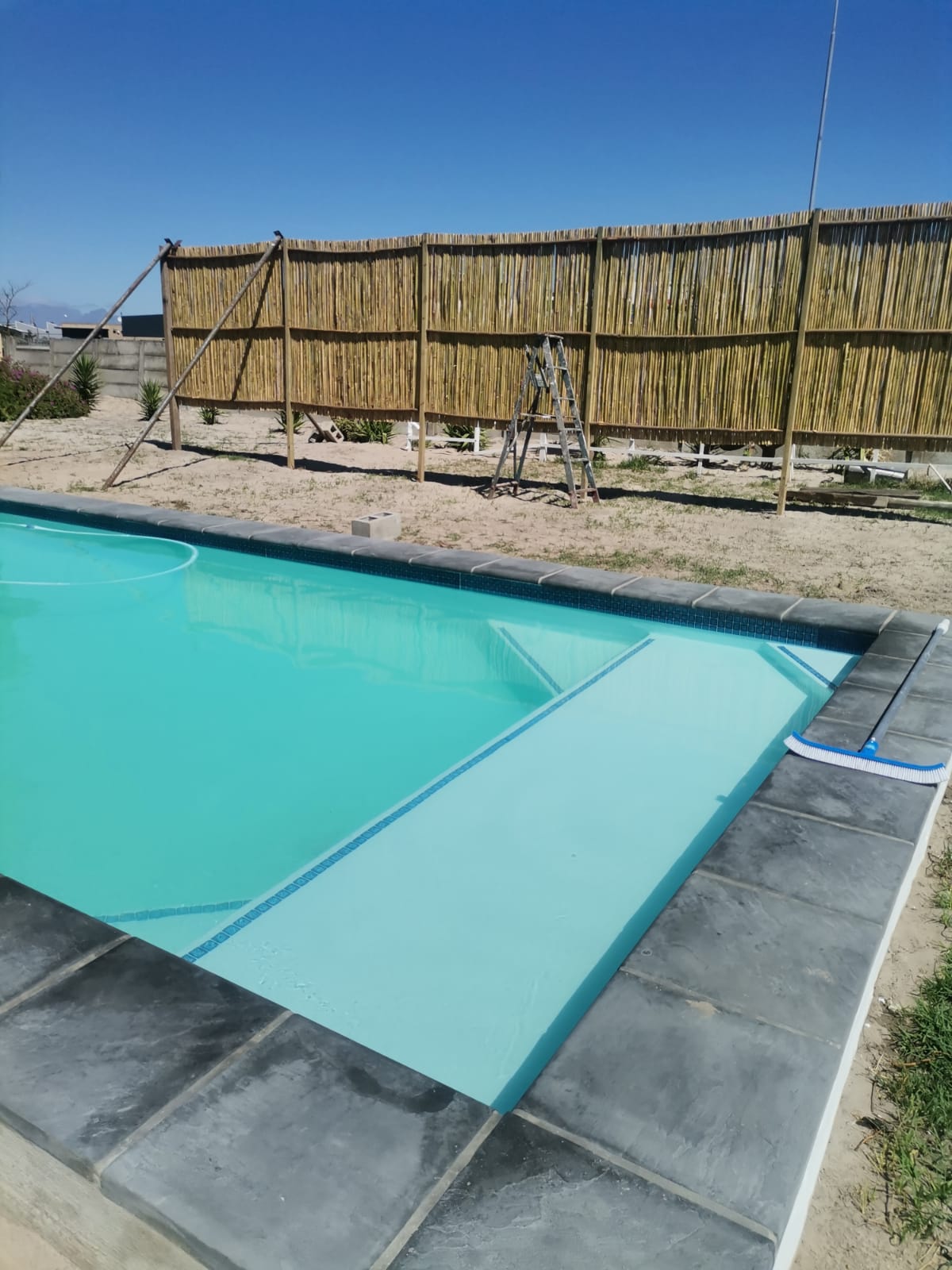
Coping refers to the material used to cap the pool edge or border. It serves as the transition between the pool and the surrounding deck. Coping helps protect the pool structure by preventing water from seeping behind the pool shell, which could cause damage. It also provides a safe, smooth edge for swimmers entering or exiting the pool. Coping materials can range from natural stone, concrete, pavers, or brick, depending on the desired look and durability.
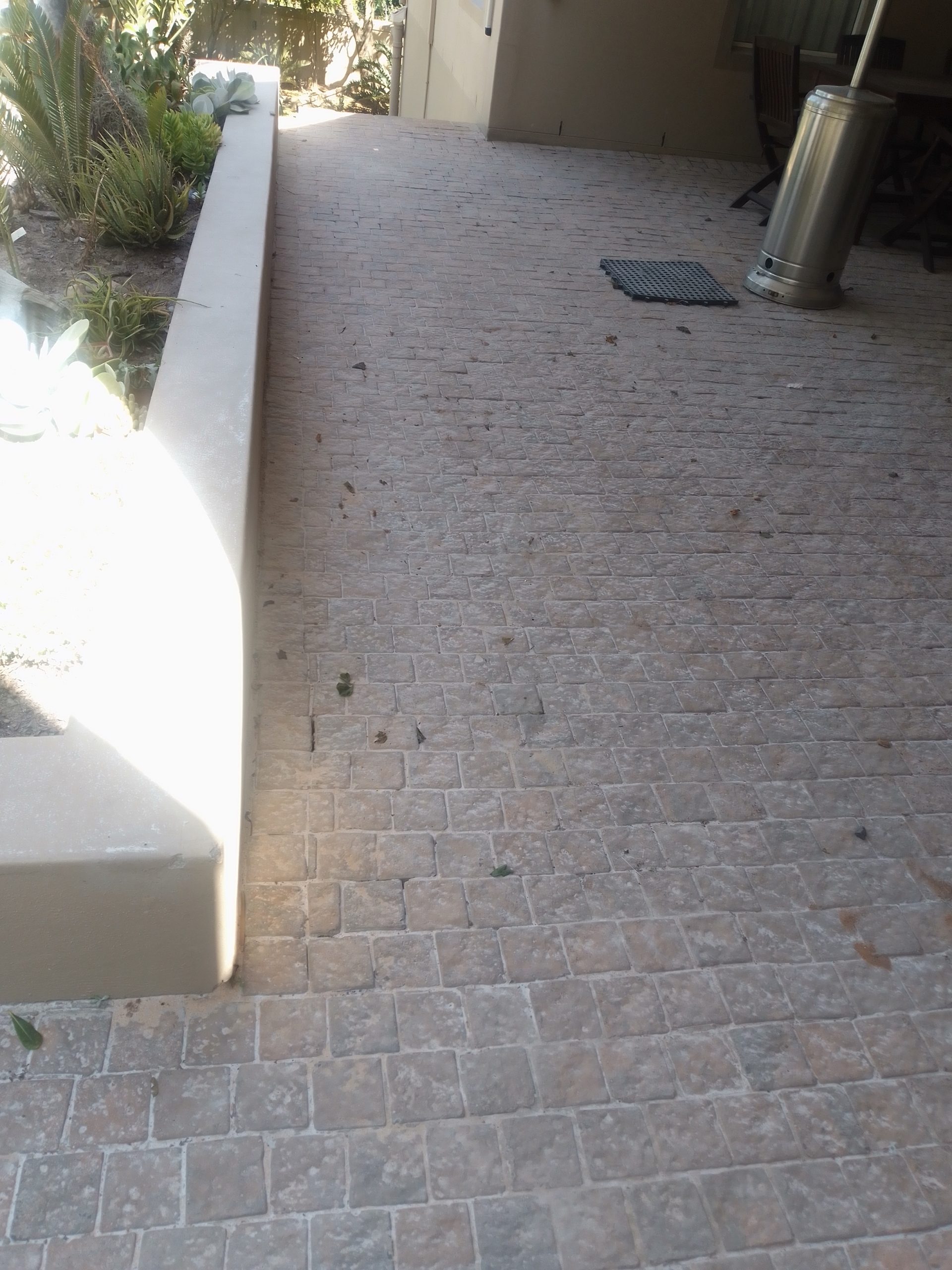
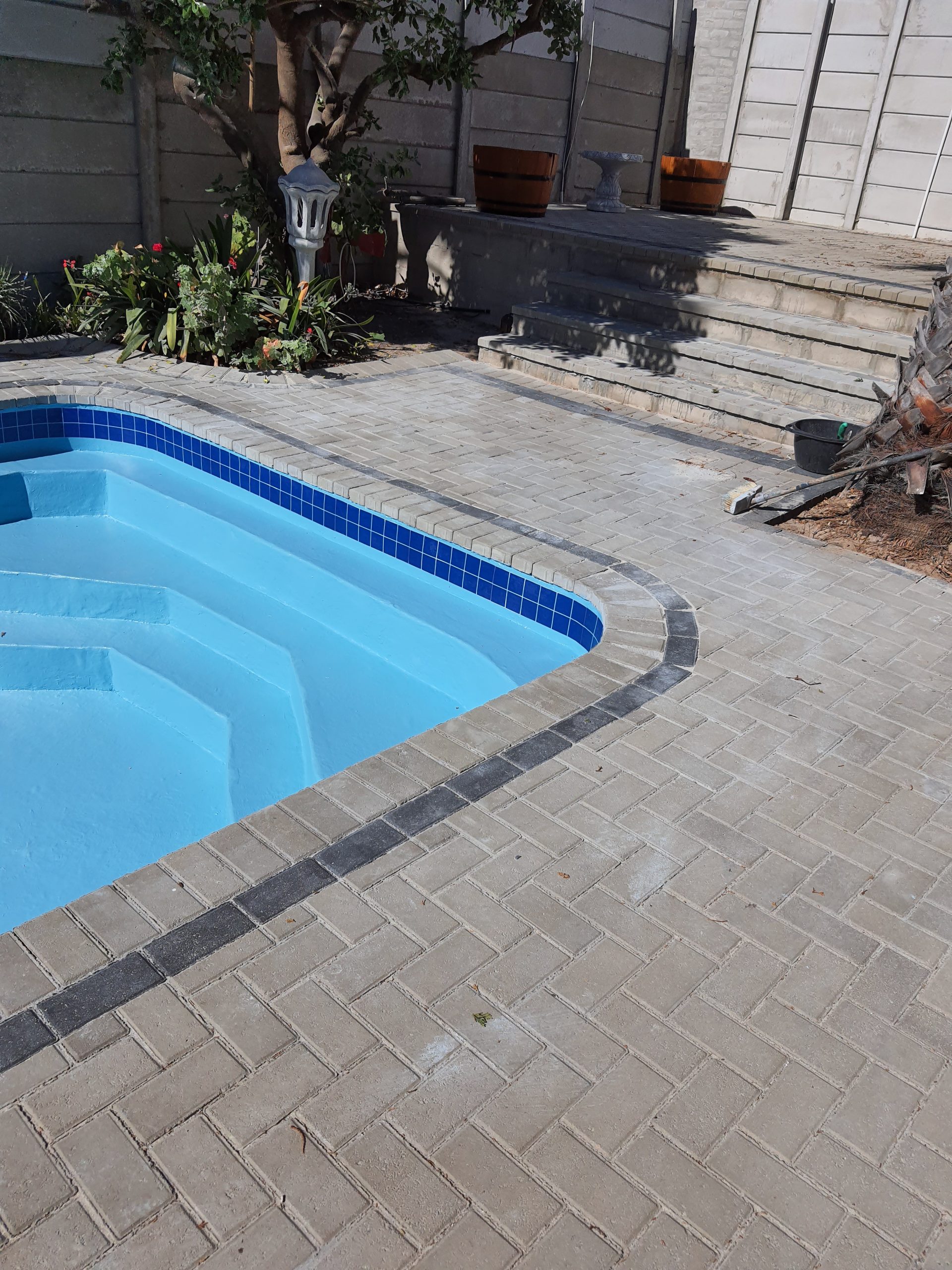
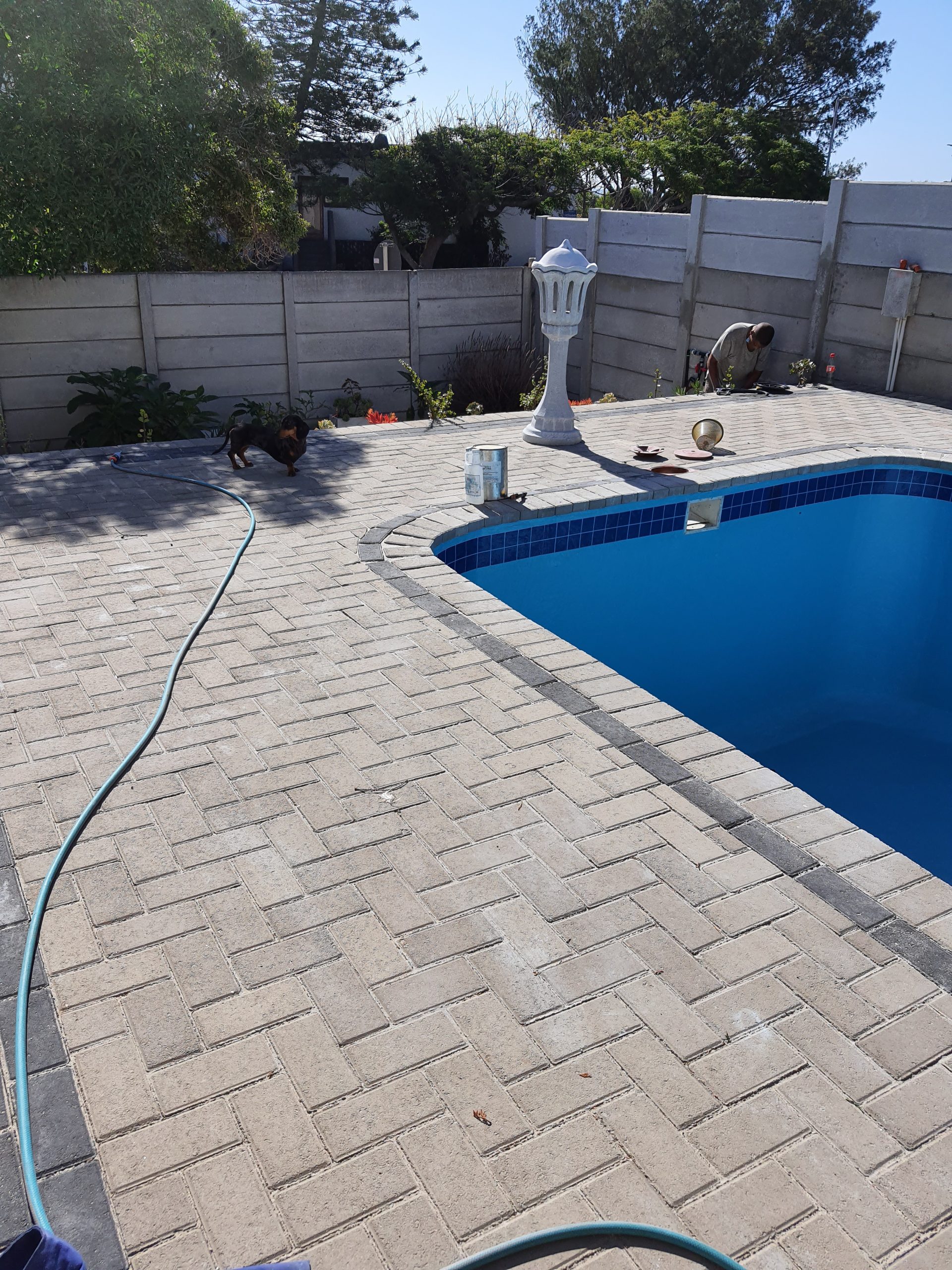
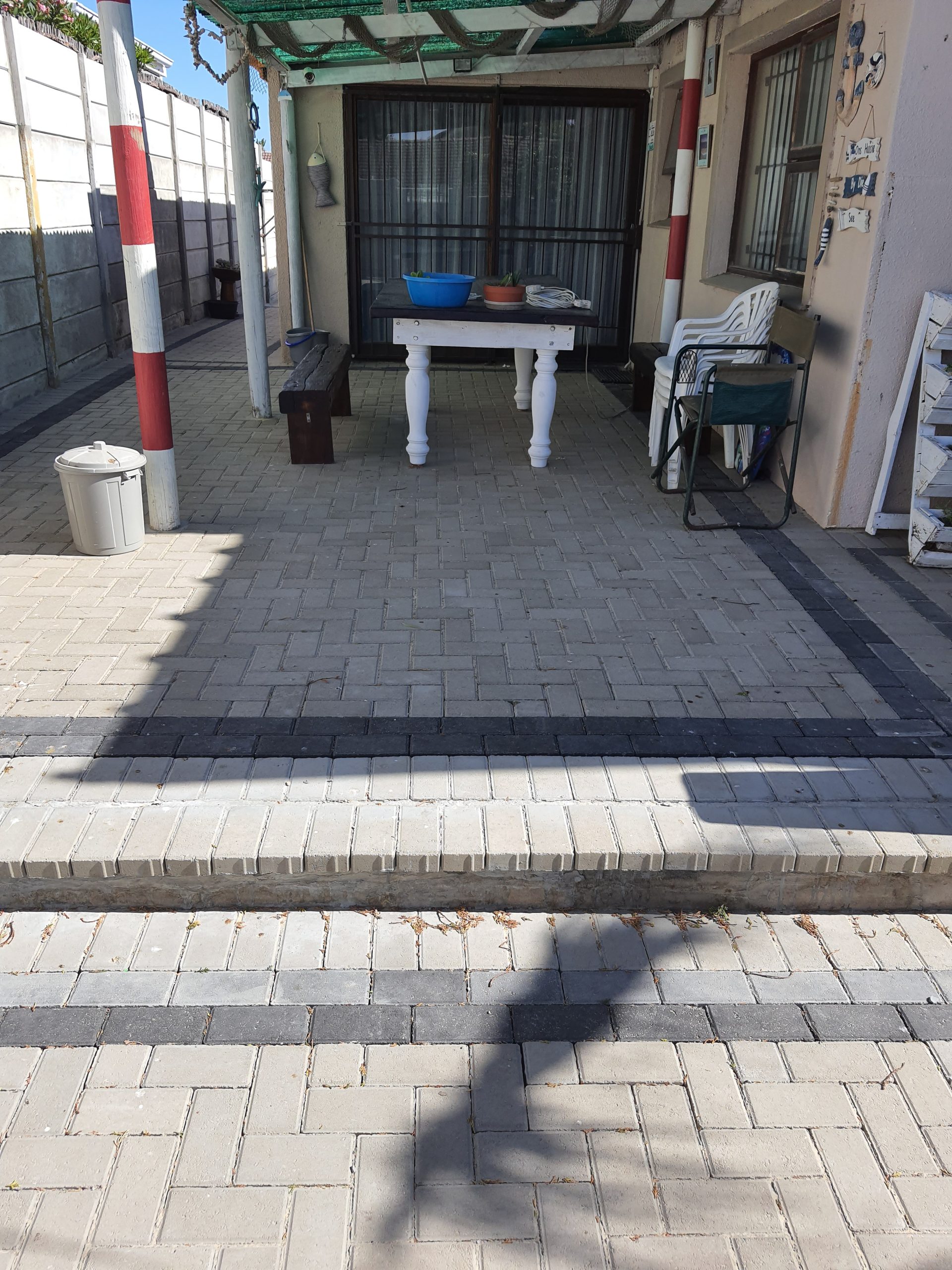
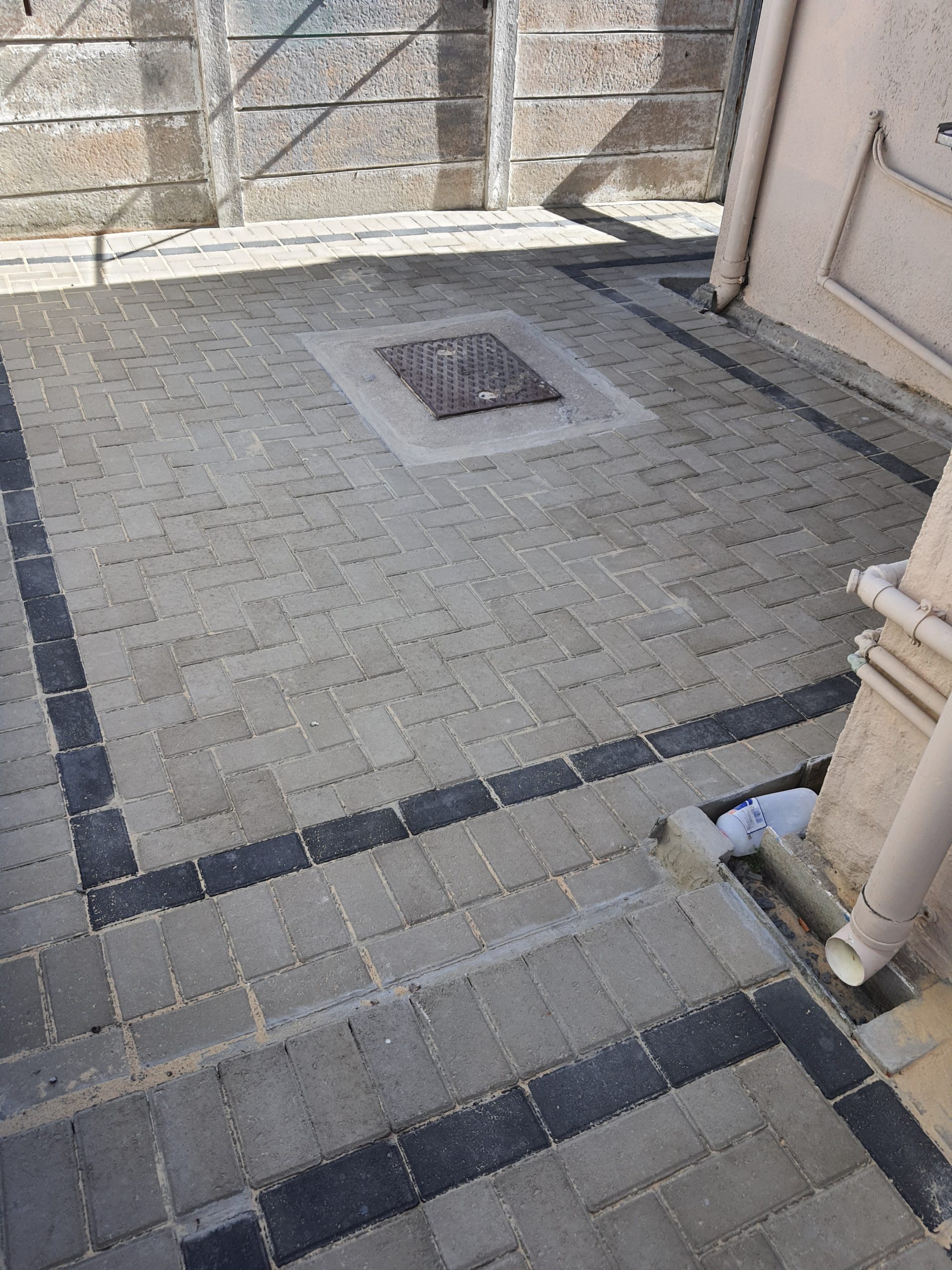
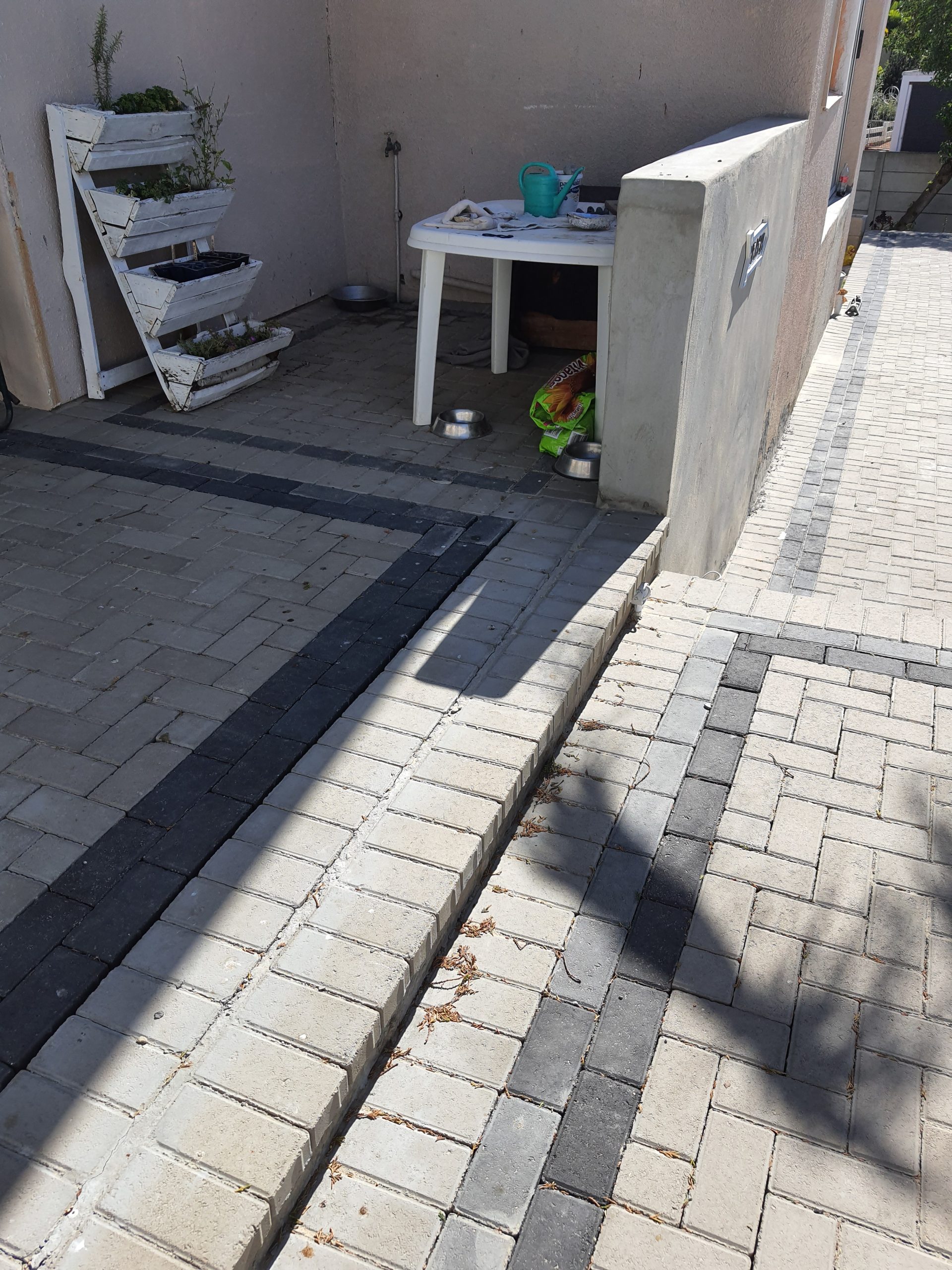
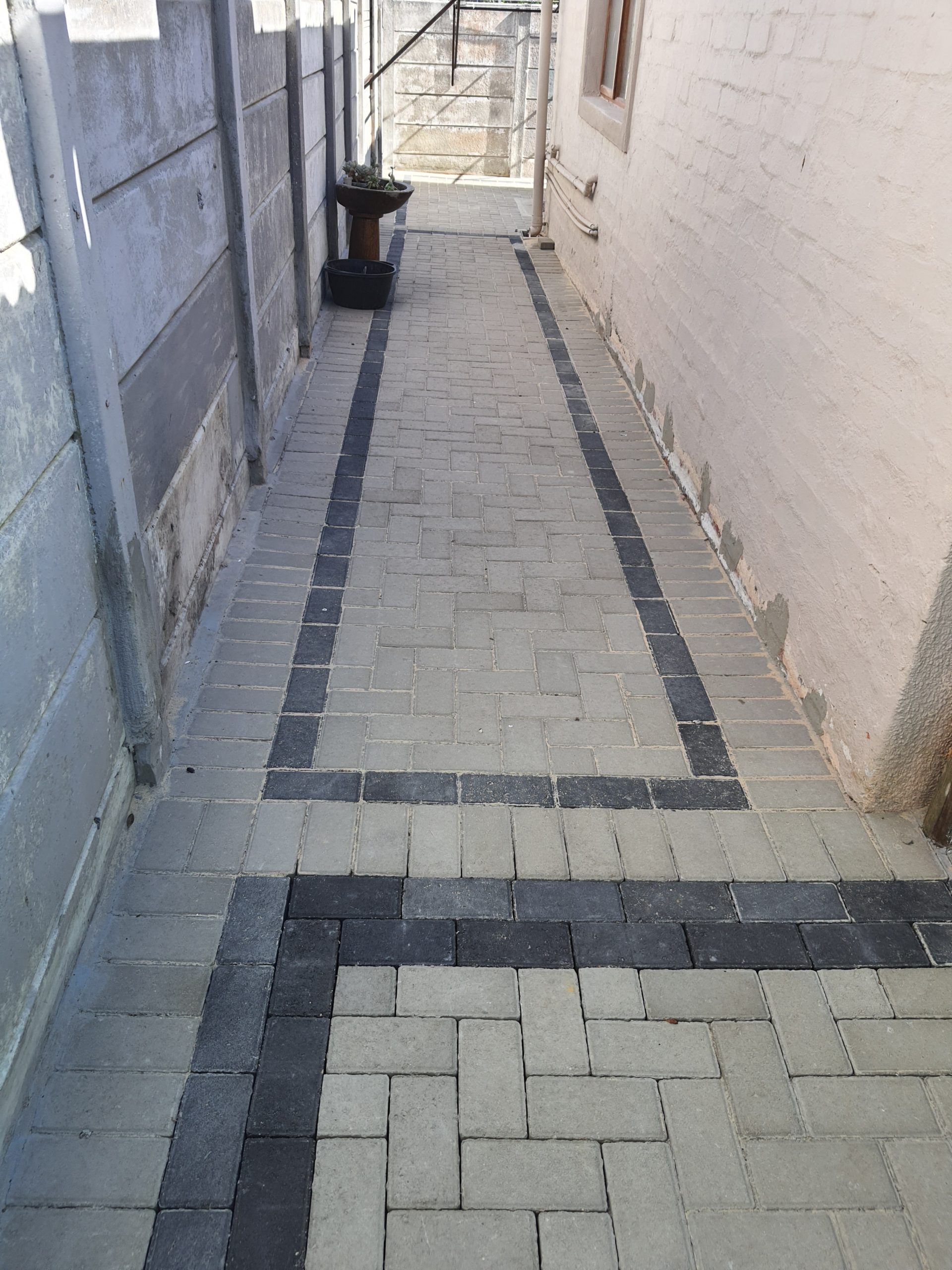
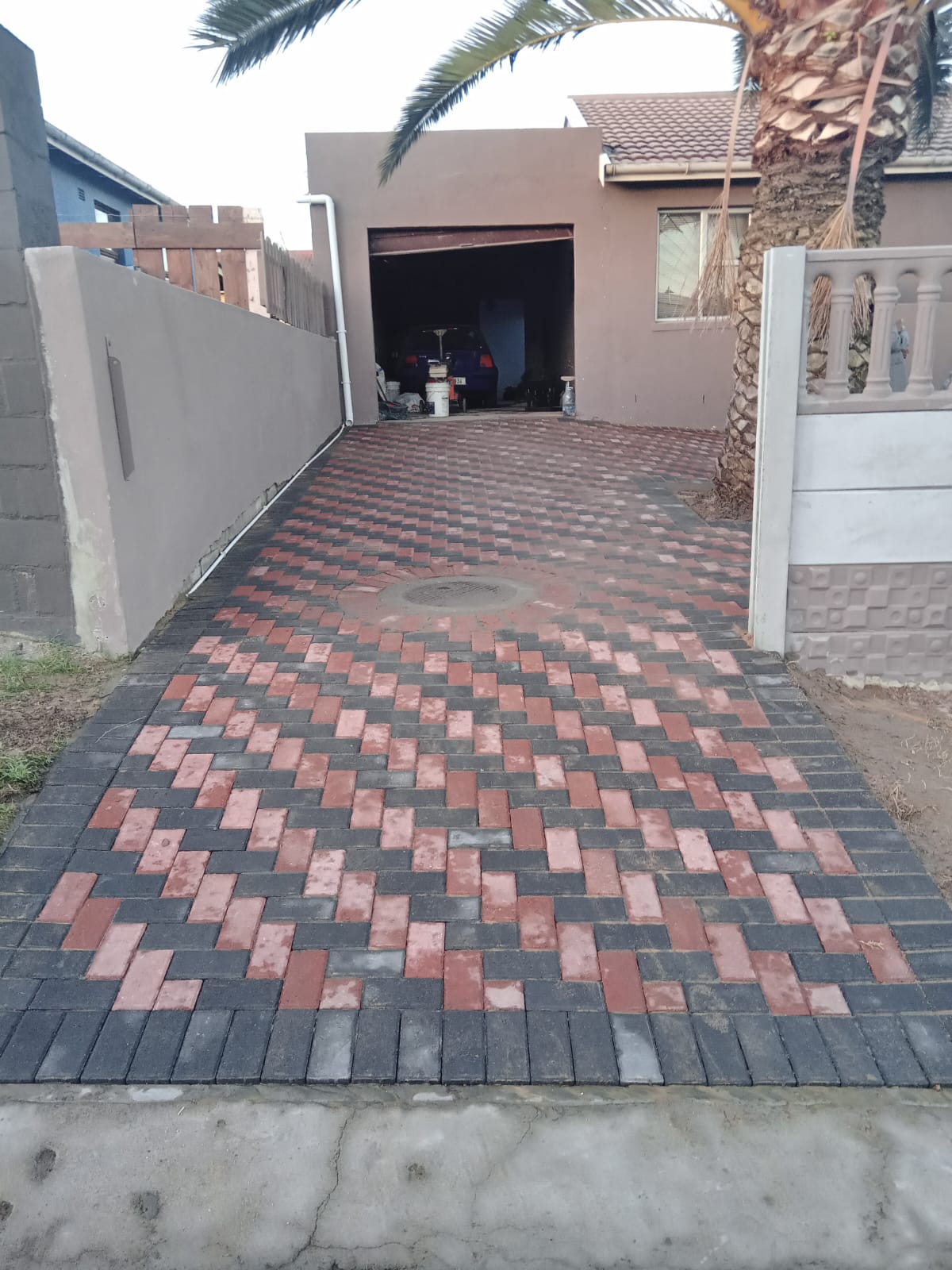
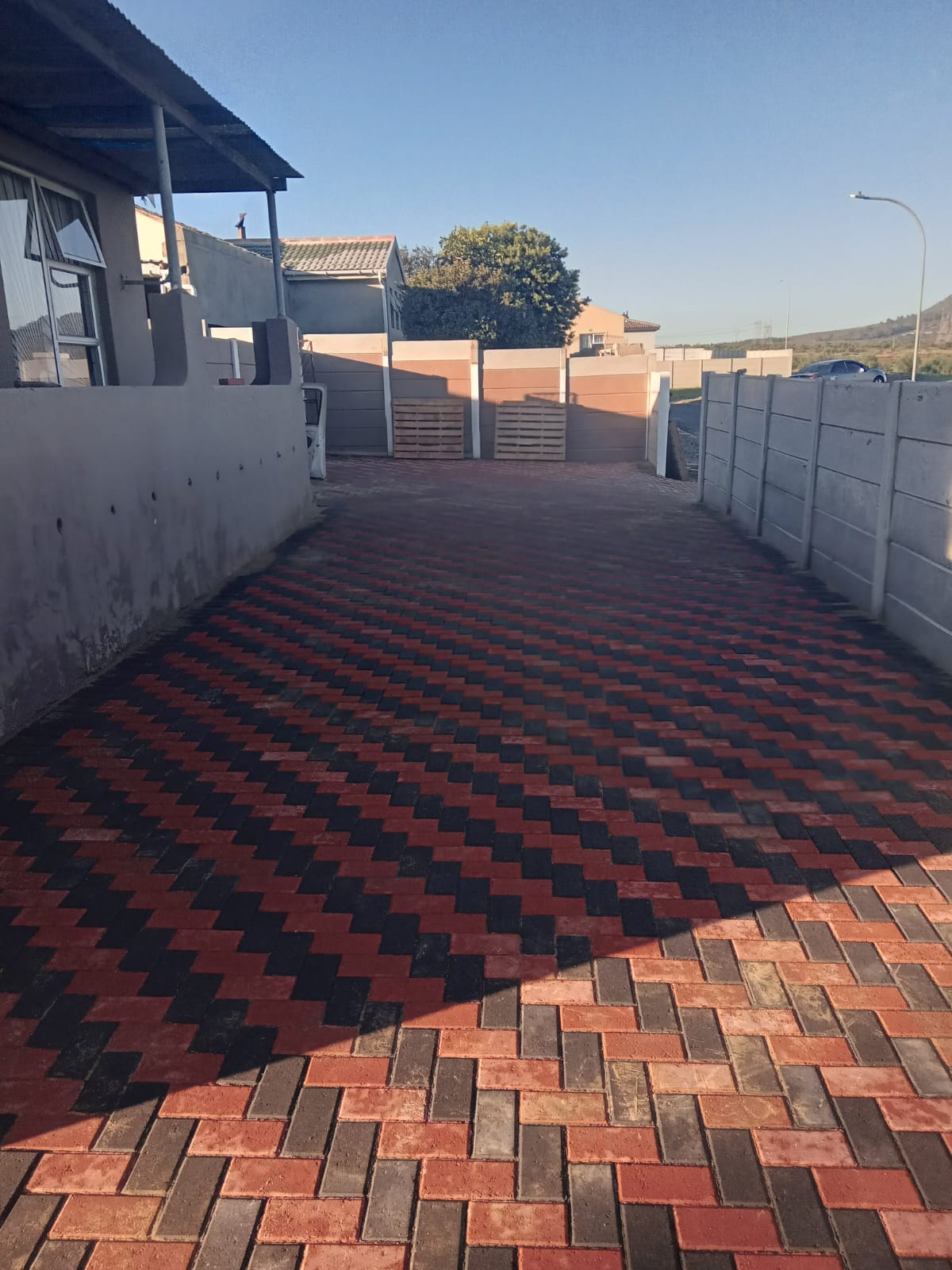
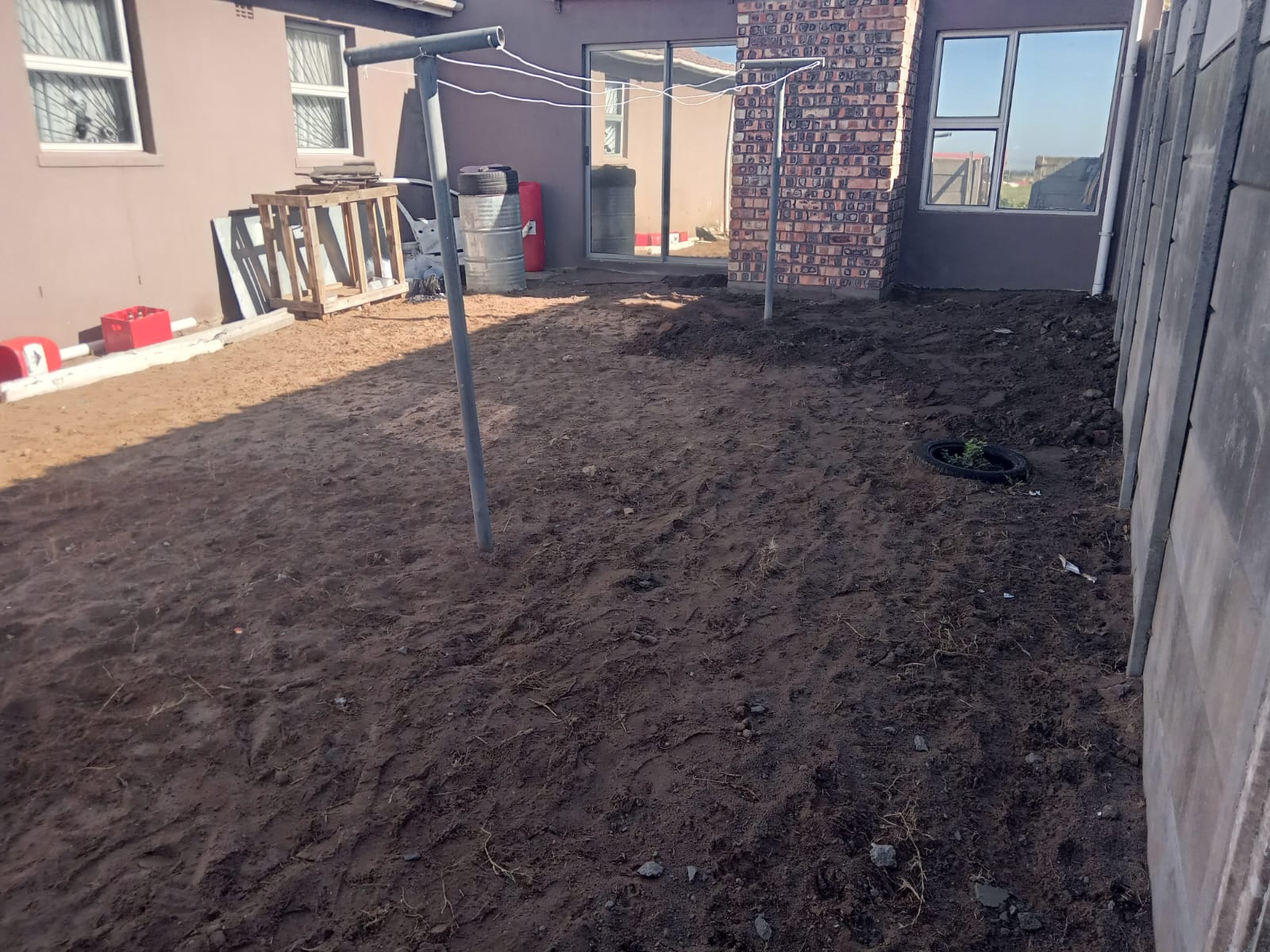
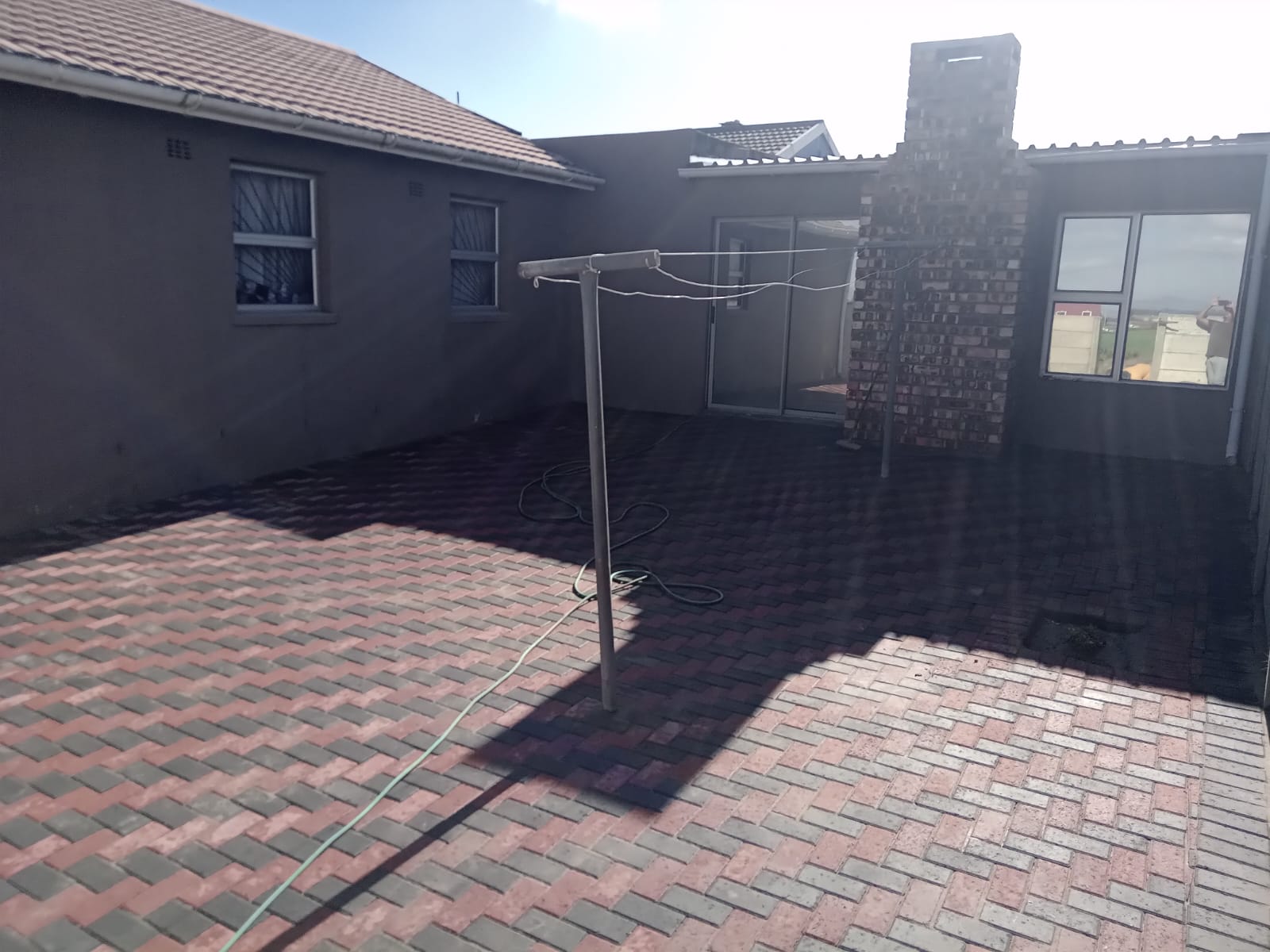
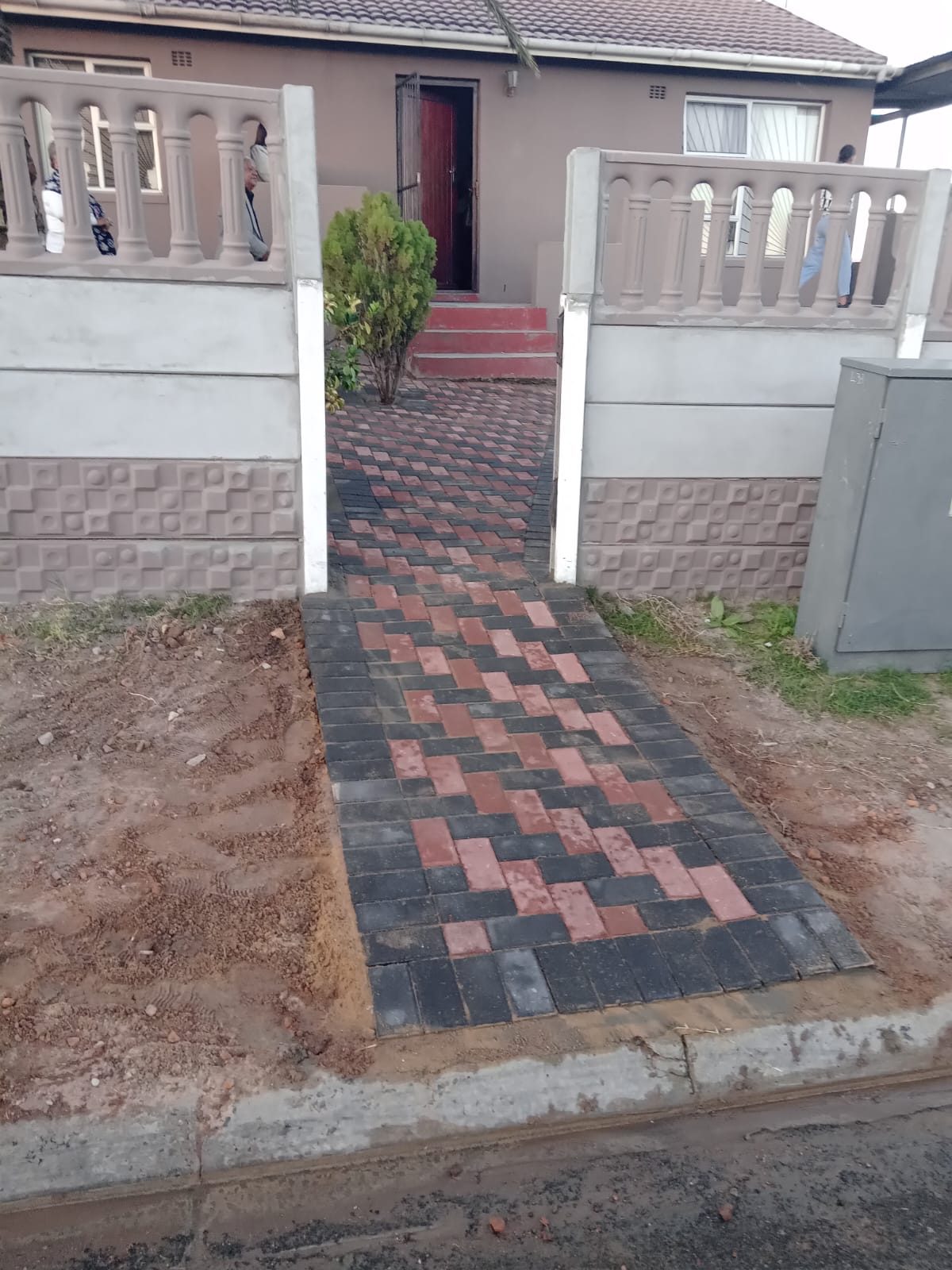
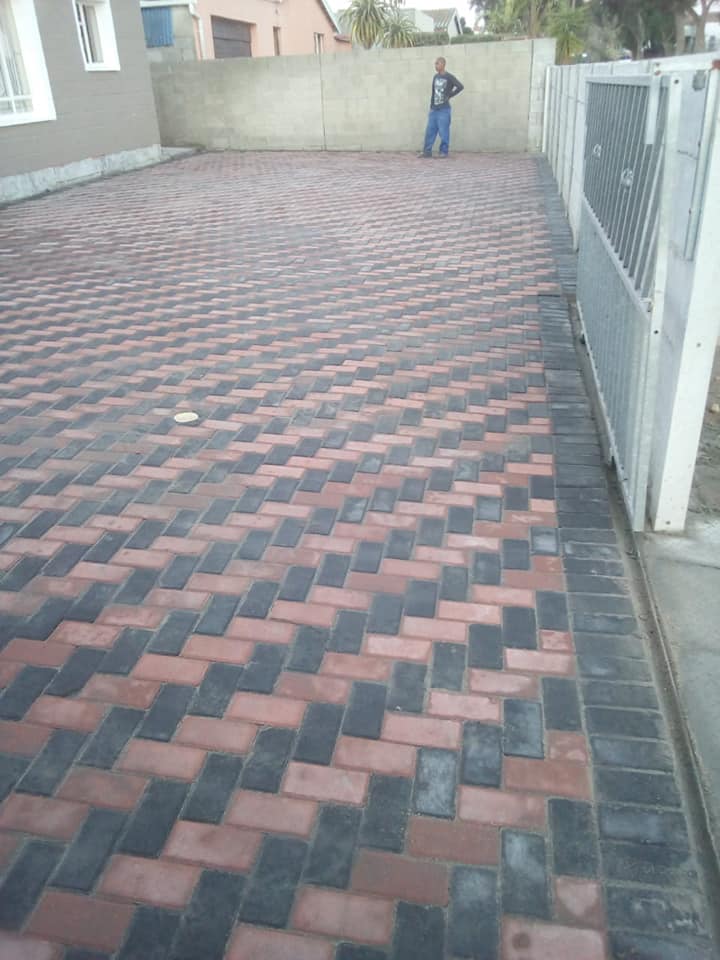
Paving involves the installation of the pool deck or surrounding area where people can walk, lounge, and relax around the pool. Pool paving materials, such as concrete pavers, natural stone, or tiles, offer durability, slip resistance, and style to complement the overall pool design. Properly installed paving can withstand weather conditions, heavy foot traffic, and exposure to pool chemicals while enhancing the beauty and safety of the pool area.
Both coping and paving not only elevate the visual appeal of your pool area but also improve its safety and longevity, creating a seamless and stylish outdoor space.